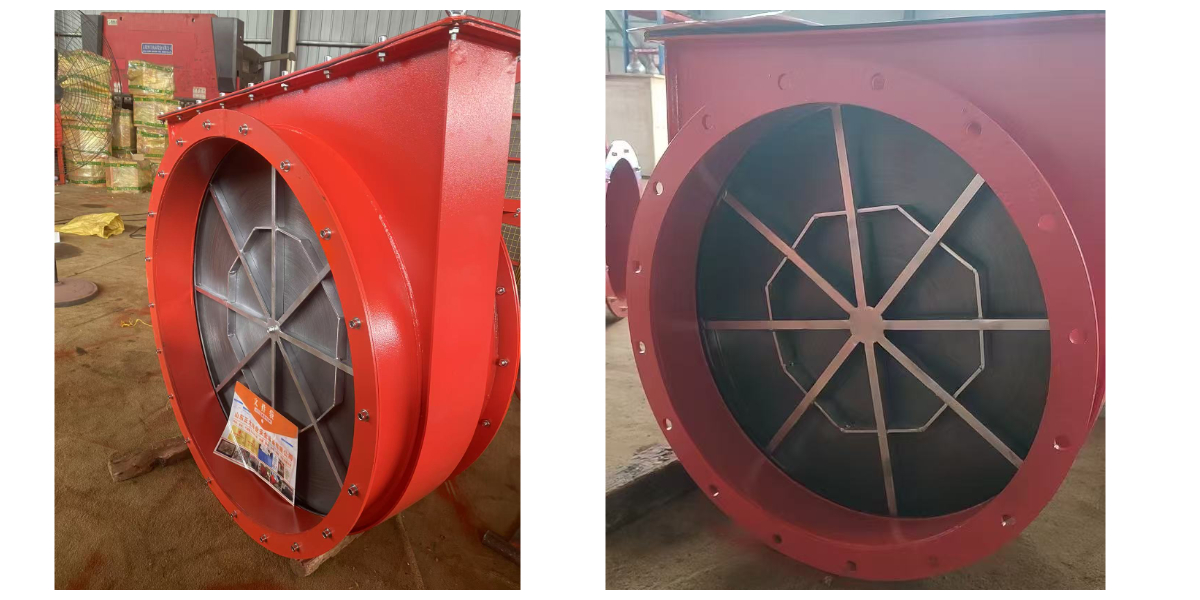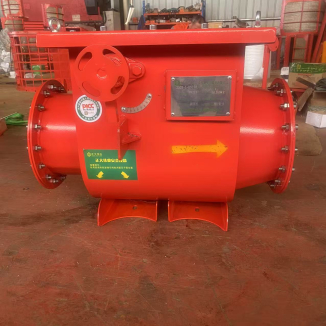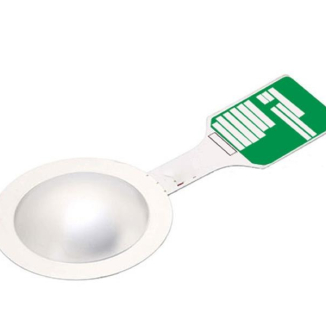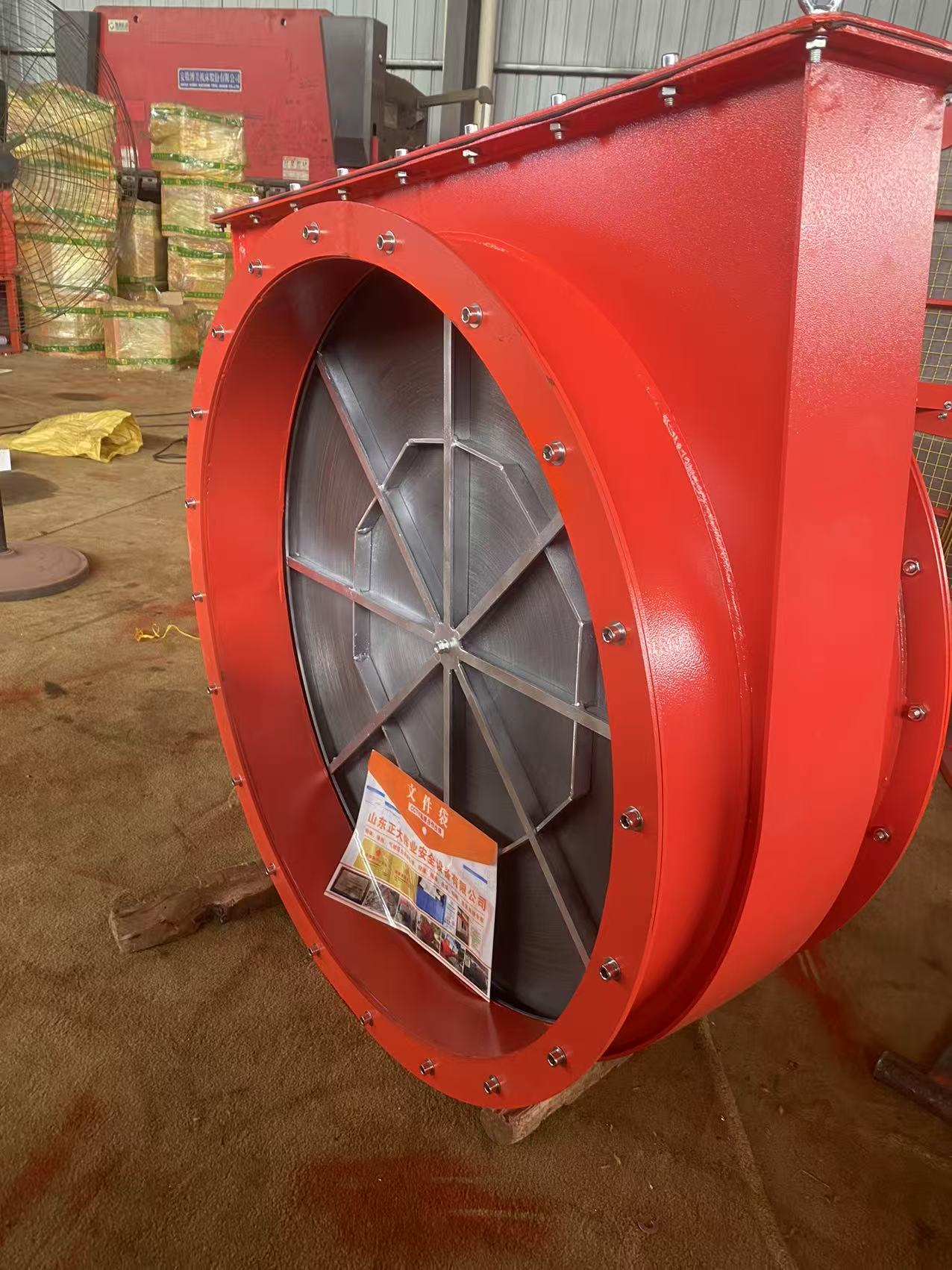
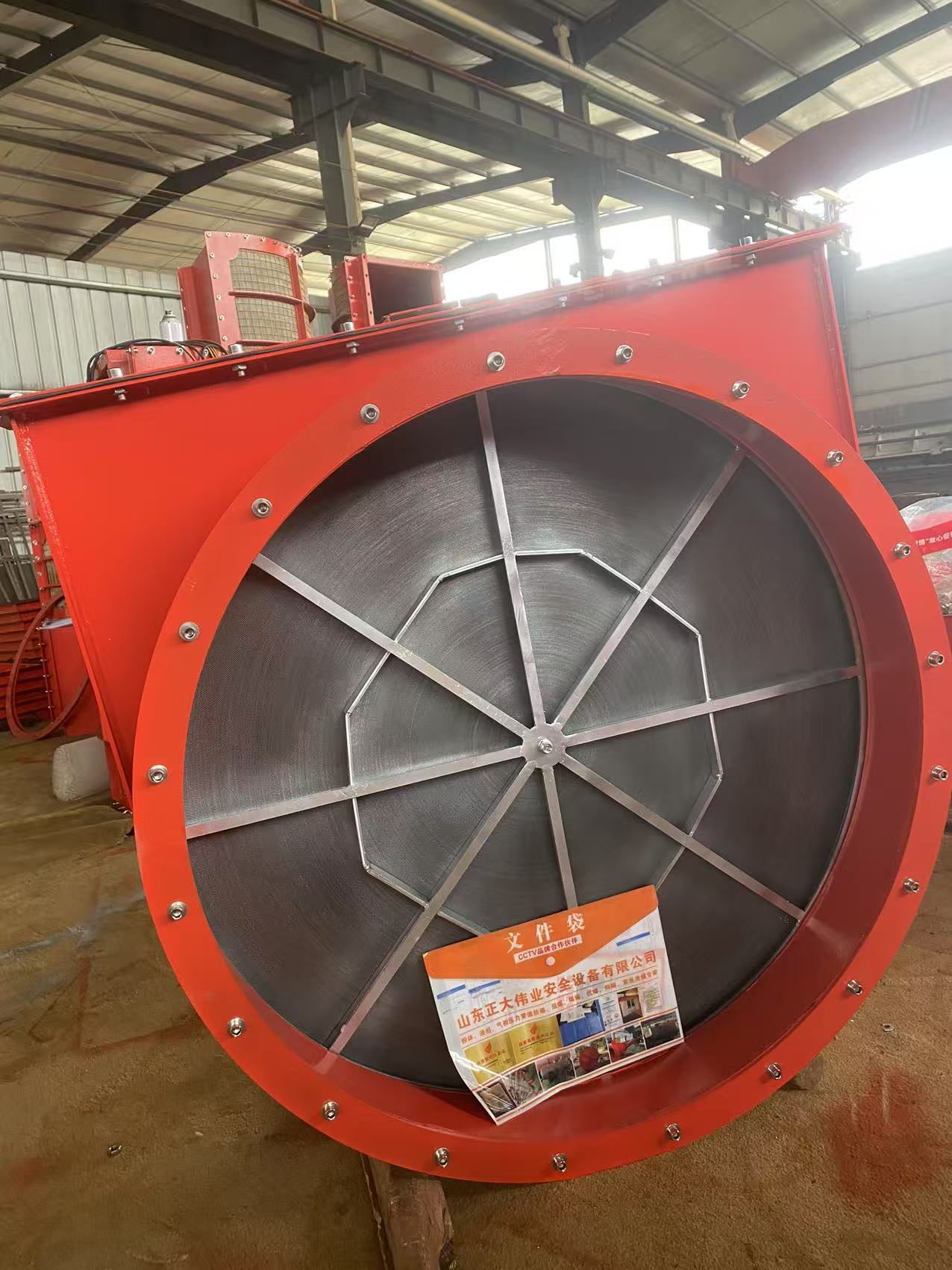
In-Line 304 Flame Arrester
Product Model: ZD-FA02 (Standard In-Line)
Type: Deflagration (In-Line) Arrester
Material: Housing: Carbon Steel or Stainless Steel. Element: Crimped Metal Ribbon or Perforated Plate (Stainless Steel).
Key Feature: Installed within piping systems to prevent flame propagation between interconnected equipment during a deflagration event.
Typical Use: Connecting pipework between reactors, mixers, and storage tanks; vapor recovery lines; vent headers; and loading/unloading arms.
Overview
An In-Line Deflagration Flame Arrester is a vital component for compartmentalizing fire risk within interconnected process systems. When equipment handling flammable vapors is linked by pipes, a fire or explosion in one unit can travel through these pipes to other units, creating a cascading disaster. This arrester is installed directly in the pipeline to create a reliable barrier. It allows normal process flow but is designed to extinguish a subsonic deflagration flame front, effectively isolating the event and protecting upstream or downstream assets.
Features & Benefits
Isolates Hazards: Prevents a localized deflagration from escalating into a plant-wide event by blocking flame transmission through piping.
Maintains Process Flow: Engineered for low permanent pressure drop to minimize impact on system performance.
Robust for Piping Systems: Constructed to handle typical pipeline pressures, vibrations, and fluid loads.
Versatile Orientation: Can typically be installed in horizontal or vertical pipelines (consult specifications).
Validated Performance: Tested with specific gas groups to ensure reliable quenching for your application.
How It Works
Similar to the end-of-line type, it uses a heat-absorbing element. The compact metal matrix presents a large surface area to the flame. As the flame enters the narrow channels, its heat is rapidly transferred to the metal walls. This cools the burning gases below their auto-ignition temperature, extinguishing the flame before it can exit the other side of the element.
Specifications (Descriptive)
Available in a full range of pipe sizes from DN25 to DN500. Standard pressure ratings are PN10/16 or ANSI 150#, with higher ratings available. Key performance data includes certified MESG capability (e.g., for Hydrogen, Ethylene, Propane), maximum allowable pressure (Pstat) for the housing, and pressure drop curves. Elements are often housed in a cartridge for easy removal and inspection. Materials are selected based on process compatibility (CS, 304SS, 316SS).
Q&A
Q: When is an in-line deflagration arrester required?
A: It is typically required by safety standards (e.g., NFPA 69) when interconnecting equipment containing flammable atmospheres where the pipe length and diameter could allow flame propagation. A hazard analysis (HAZOP, LOPA) often identifies the need.
Q: Can it stop a detonation?
A: No. A standard in-line deflagration arrester is designed for subsonic flame speeds. If conditions could lead to a supersonic detonation (long pipe runs, specific gas mixtures), a more robust Detonation Arrester (ZD-FA03) must be used.
Q: How does process flow affect its performance?
A: High process flow velocities can cool the element and theoretically improve performance, but they also increase pressure drop. The arrester must be sized for the maximum flame speed expected during an event, not just normal flow. The presence of liquid or mist can also impact performance.
Q: What maintenance is required?
A: Periodic inspection and cleaning are essential. The frequency depends on the process. If vapors can condense, polymerize, or carry particulates, the element channels may foul, increasing pressure drop and potentially compromising flame arrest capability.
About ZD Safety
We provide engineered safety barriers for interconnected processes. Our in-line deflagration arresters are a key tool in preventing domino-effect incidents, designed and certified to integrate seamlessly into your piping systems while providing a dependable thermal barrier against flame.