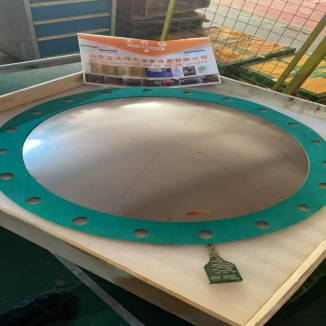
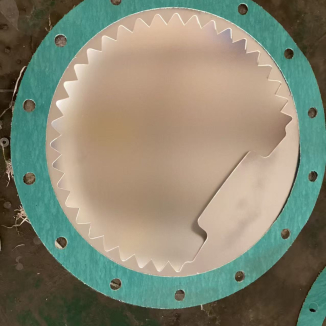
Emergency Relief Valve
Do you know what an emergency relief valve is used for? Essentially, it is a safety protection device designed to safeguard storage tanks. These tanks may sometimes experience a rapid pressure increase due to external forces or internal influences. Once the pressure exceeds the rated level, the situation can become hazardous. At this point, the relief valve is needed to promptly release the excess pressure, thereby preventing the tank from exploding. Of course, for the emergency relief valve to function effectively, correct installation is essential. So, do you know the installation method? If not, below we will explain its uses and installation steps in detail.
Uses of the Emergency Relief Valve:
The emergency relief valve is a tank safety protection device that provides emergency pressure relief and exhaust functions. When the pressure inside a tank rises rapidly due to external forces or internal influences and reaches the rated pressure, the emergency relief valve begins to release the excess pressure. Once the pressure returns to the set level, the sealing surface recloses to maintain the tank's normal pressure state. The emergency pressure relief valve and vacuum relief valve can perform emergency pressure relief and vacuum relief operations.
In emergency situations (such as when a tank is externally exposed to fire), ordinary exhaust devices may have insufficient discharge capacity to prevent overpressure release due to sudden incidents. The emergency relief valve includes necessary pressure relief and vacuum relief devices to keep the tank within a safe operating range. The integrated vacuum valve provides additional protection, preventing the tank from collapsing due to excessive steam or vacuum.
Installation Method of the Emergency Relief Valve:
Before installation, inspect the equipment. If there are signs of physical damage or internal contamination, disassemble the valve, clean it, and inspect it before installation.
The flange protective cover should be removed before putting the valve into service.
To avoid damaging the flange surface, three lifting lugs on the valve body are used for hoisting and positioning. All valves should be installed using the three lugs on the valve body.
Inspect the container or tank, ensuring the flange is level.
Check the gasket to ensure the material is suitable for the valve.
Apply appropriate thread lubricant to all bolts and nuts. For stainless steel fasteners, an anti-seize lubricant such as molybdenum disulfide may be used.
Align the gasket with the bolt circle.
Carefully position the valve body on the interface while maintaining the gasket between the flanges. Install the bolts and tighten the nuts.
Initially tighten all fasteners to half the recommended torque value, following a staggered pattern.
The role of the emergency relief valve is significant, as protecting storage tanks is a critical task. Otherwise, an explosion could lead to unimaginable consequences. Therefore, it is essential to ensure proper installation to guarantee safety.