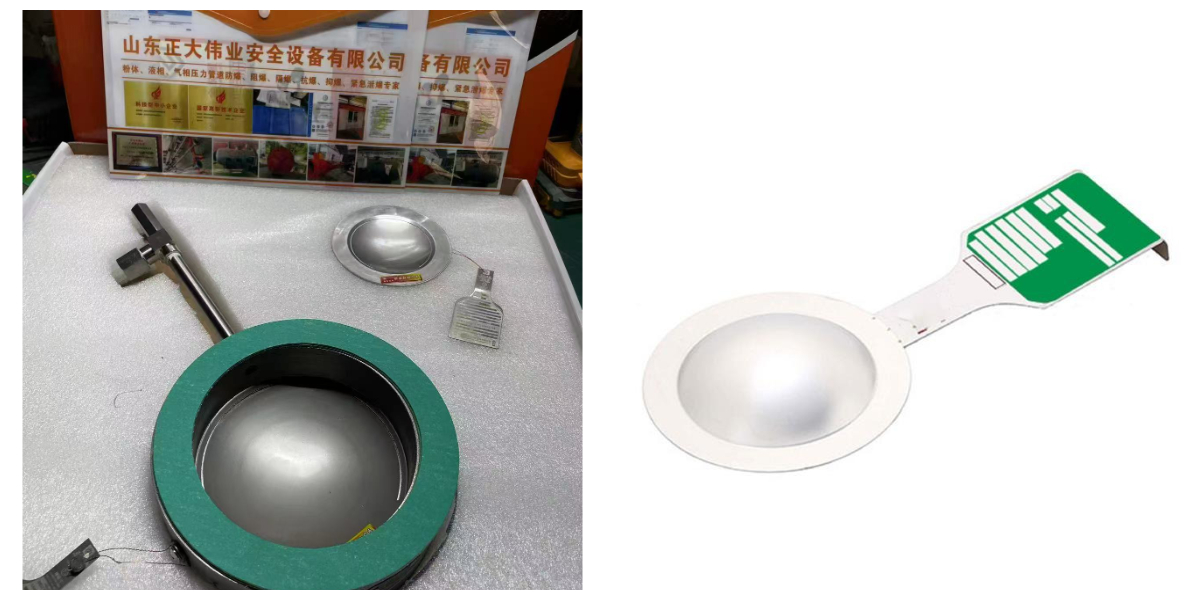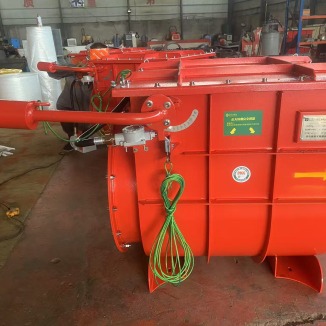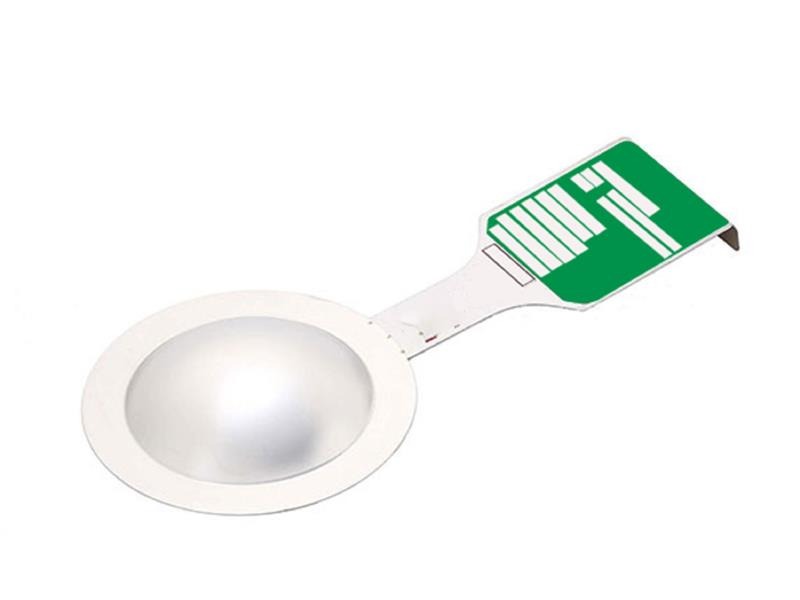
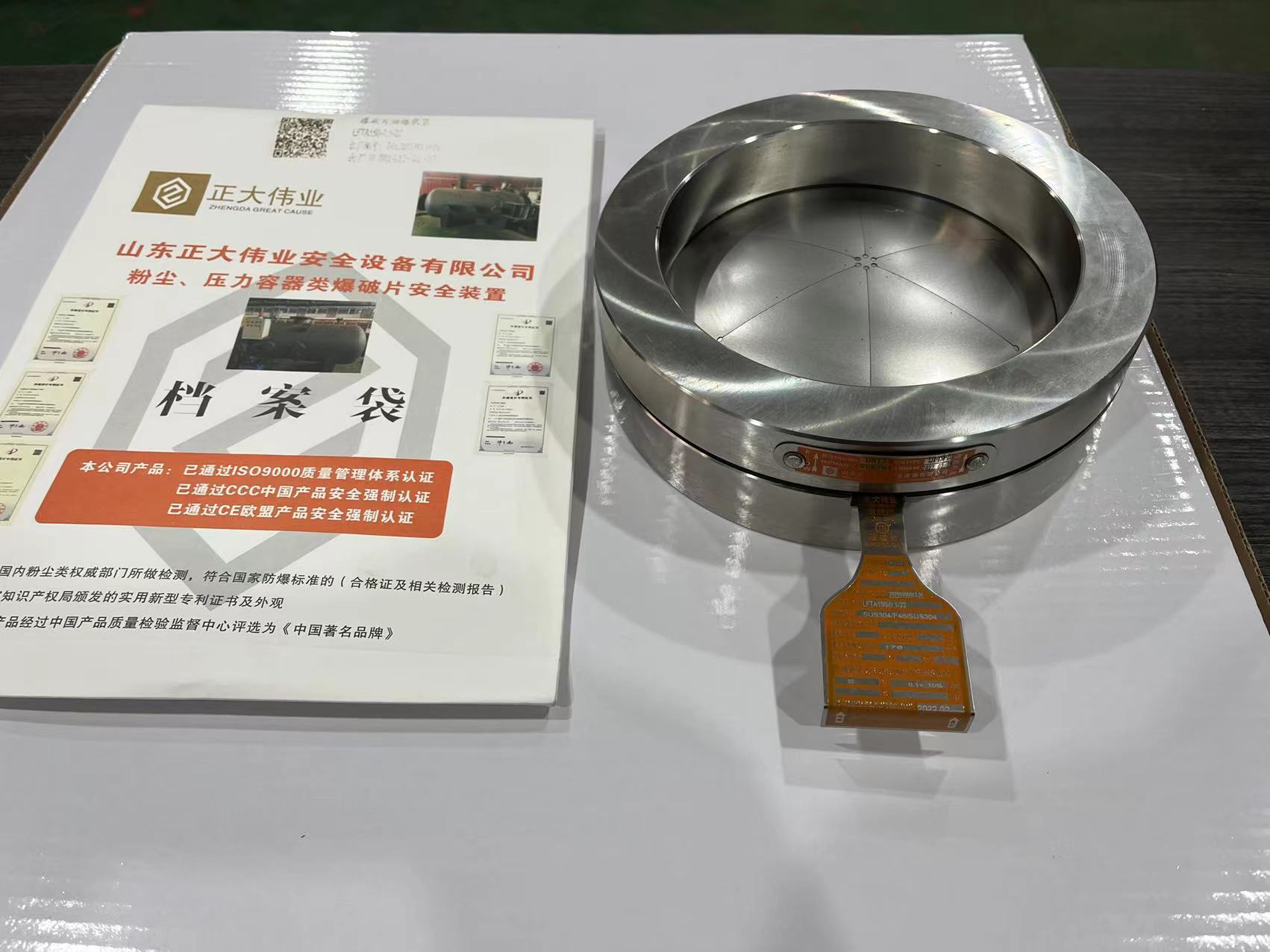
Composite Rupture Disc
Model: ZD-004 (Lined/Coated Type)
Material: Metal Membrane (SS316) + PTFE/PFA Lining.
Burst Range: 0.5 barg to 25 barg (dependent on base metal).
Temperature: Limited by liner (PTFE: -20°C to +150°C; PFA: up to +180°C).
Key Feature: Combines metal strength with supreme chemical resistance.
Design: PTFE layer isolates metal from process media.
Typical Use: Pharmaceutical, food, fine chemical, ultra-pure or sticky media.
Overview
When process purity is paramount, or media are highly adhesive or corrosive to metals, a composite rupture disc provides the answer. It features a standard metal bursting membrane (for strength and precise bursting) completely isolated from the process stream by a seamless PTFE or PFA liner. This ensures the process only contacts the inert fluoropolymer, preventing contamination, corrosion, and product adhesion.
Features & Benefits
Process Purity Guaranteed: Inert liner eliminates metal ion contamination, crucial for pharmaceuticals and food.
Easy Cleaning & Anti-Stick: Prevents buildup of sticky polymers or slurries, simplifying maintenance.
Corrosion Resistance: Protects the metal membrane from a wide range of corrosive chemicals.
Precision Burst Performance: Underlying metal disc provides accurate, reliable burst pressure.
Ideal for Sensitive Industries
From bioreactor venting to high-purity solvent systems, this disc protects both the process and the pressure boundary.
How It Works
The PTFE/PFA liner is bonded or clamped to the process side of a standard forward-acting metal rupture disc. The liner is flexible and non-structural. System pressure is transmitted through the liner to the metal membrane. At the burst pressure, the metal disc ruptures, and the liner tears concurrently, allowing relief.
Specifications (Descriptive)
Available in common sizes from DN25 to DN300. The burst pressure is determined by the metal membrane (e.g., SS316, Inconel). For example, a DN80 composite disc with a 316L membrane might have a range of 1-10 barg. The liner material (PTFE or PFA) defines the chemical and temperature limit. Flange connections are standard. The liner typically extends over the flange face to protect it as well.
Accessories
Different Liner Materials (PTFE, PFA, ETFE)
Sanitary Finish Holders (polished, tri-clamp ends)
Burst Indicators compatible with lined design
Q&A
Q: Can the liner plug the opening after bursting?
A: Properly designed composite discs ensure the liner tears completely and is carried away or opens fully with the metal petals, preventing blockage. Design selection is key for viscous media.
Q: Is the burst pressure affected by the liner?
A: Minimally. The liner is very thin and flexible. The burst pressure is essentially that of the underlying metal disc. The disc is calibrated and tested with the liner attached.
Q: What are the cleaning recommendations?
A: The PTFE/PFA surface allows for easy cleaning (CIP). However, the temperature limits of the liner must be strictly observed during steam or thermal cleaning cycles.
About ZD Safety
ZD Safety offers hygienic and corrosion-resistant safety solutions. Our composite discs are assembled in a clean environment and tested to ensure they meet the stringent demands of life sciences and high-purity industries.