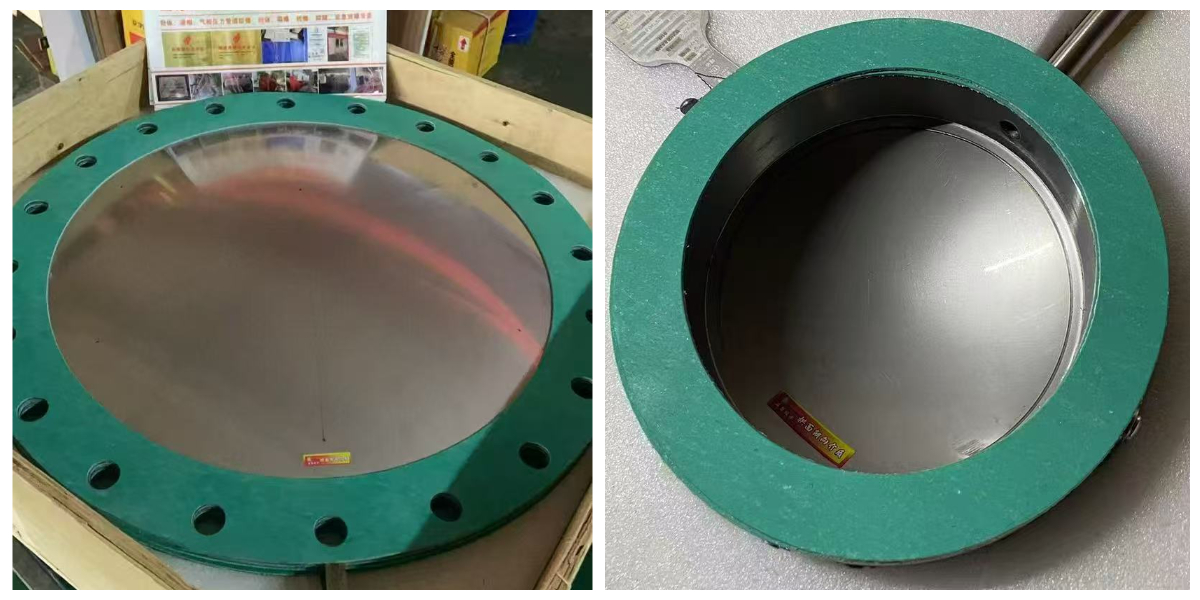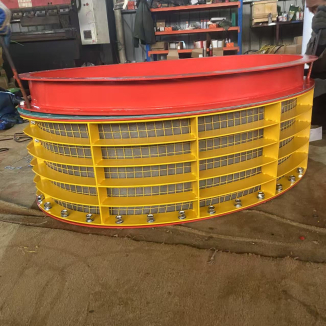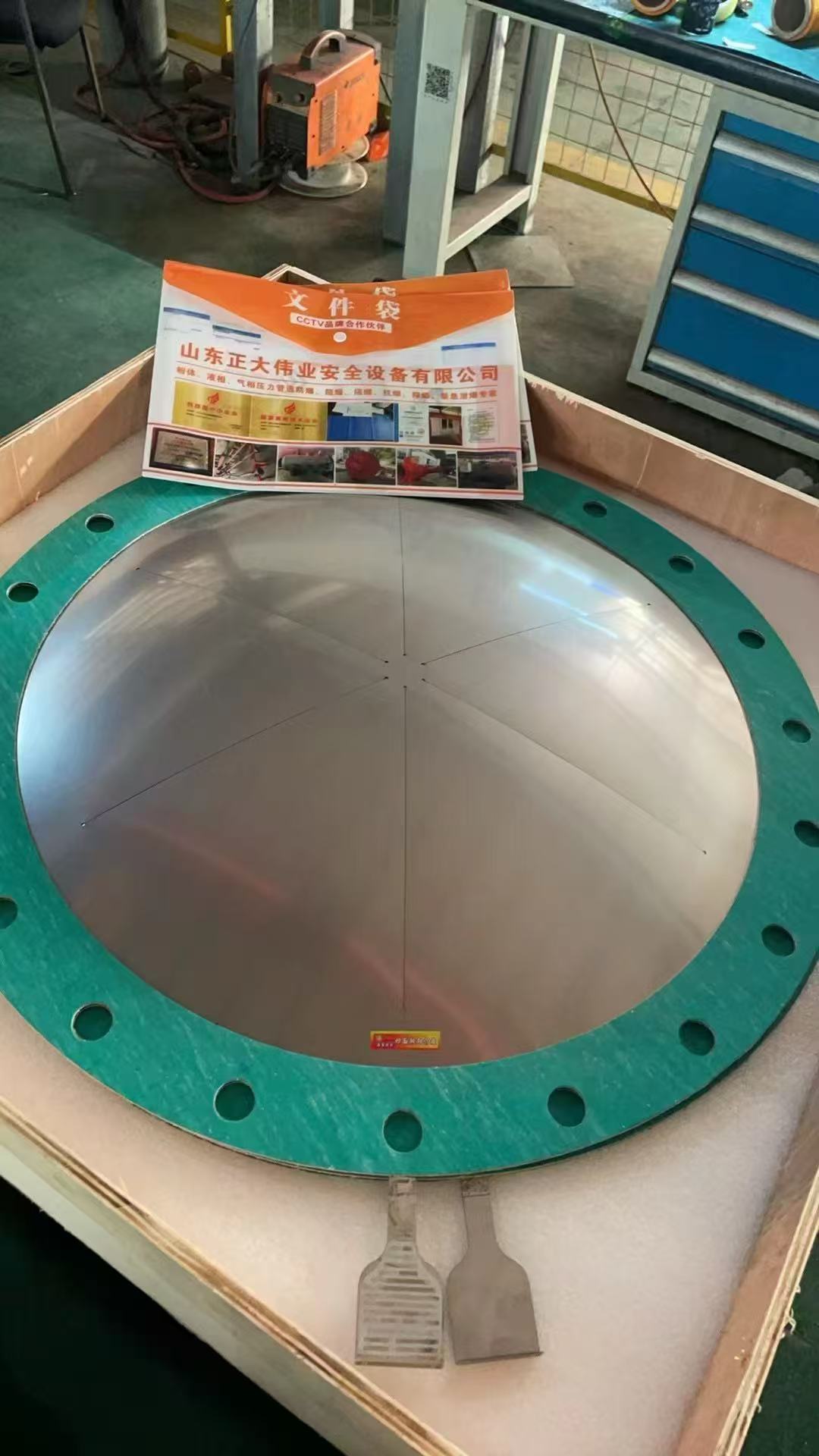
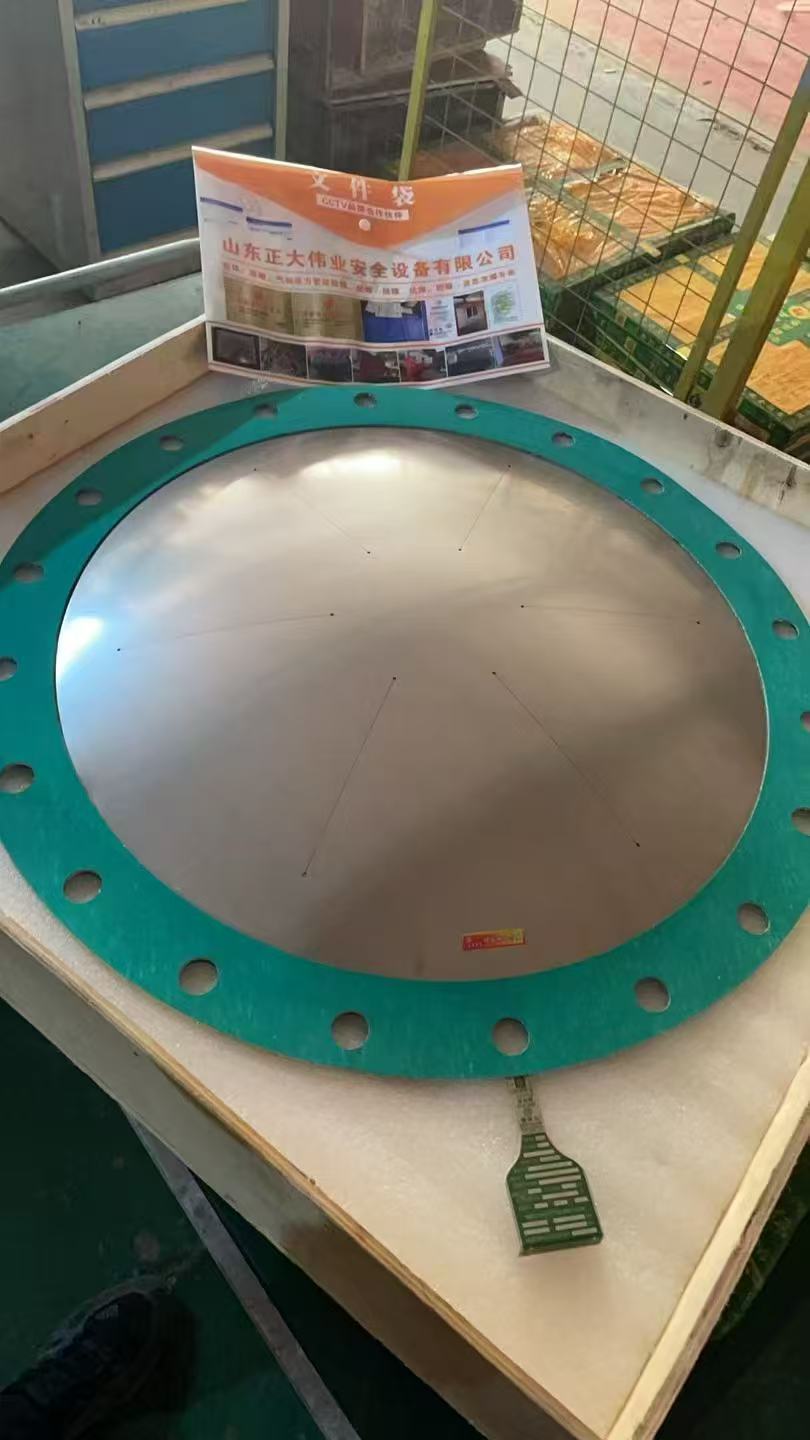
Graphite Rupture Disc
Model: ZD-003 (Plain or Scored)
Material: Impervious Graphite (Anti-corrosive).
Burst Range: 0.1 barg to 10 barg (lower pressure specialist).
Temperature: Excellent for high temps, up to 400°C+ in inert atmospheres.
Key Feature: Exceptional corrosion resistance to most acids, alkalis, and solvents.
Designs: Plain (bursts into fragments) or scored (controlled opening).
Typical Use: Highly corrosive chemical processes, chlorine, HF acid.
Overview
For the most aggressive chemical environments where metals fail, graphite rupture discs offer unparalleled corrosion resistance. Made from impervious graphite, they handle acids, halogens, and solvents that quickly degrade metallic discs. Available in plain (fragmenting) or scored (non-fragmenting) designs, they are the go-to solution for low to medium-pressure relief in corrosive service across chemical, pharmaceutical, and metallurgical industries.
Features & Benefits
Universal Corrosion Resistance: Withstands virtually all corrosive media except strong oxidizing agents at high temperature.
High Temperature Stability: Maintains strength and sealing at temperatures where polymers fail.
Conductive & Non-Contaminating: Graphite will not spark and minimizes product contamination.
Cost-Effective for Corrosion: Often more economical than exotic metal alloys like tantalum or Hastelloy.
Solution for Extreme Chemistry
From wet chlorine gas to hydrofluoric acid storage, graphite discs provide reliable, maintenance-free protection where other materials have short service life.
How It Works
Plain graphite discs fracture under tensile stress, creating multiple fragments. Scored graphite discs have precision-machined grooves that control the fracture pattern, causing the disc to open like petals while being retained by a downstream screen, minimizing downstream contamination.
Specifications (Descriptive)
Sizes range from DN25 to DN400. Low-pressure specialty: Burst pressures as low as 0.1 barg are standard for DN100. DN50 commonly covers 0.5-4 barg. Scored designs are recommended for pressures above ~0.7 barg to control fragmentation. Standard thicknesses correspond to pressure ratings. Flange connections are typically ANSI or DIN PN10/16. A protective coating (e.g., PTFE) on the holder is often used to protect mating flanges.
Accessories
Fragment Containment Screen (for plain discs)
PTFE-Coated Steel or FRP Holders
Protective PTFE Sheeting on Disc Faces
Burst Detection Sensors
Q&A
Q: What are the limitations of graphite discs?
A: They are generally for lower pressures (max ~10 barg) and can be brittle. They are not suitable for strong oxidizing agents (like hot concentrated nitric acid) or alkaline melts at high temperature. Plain types generate fragments.
Q: Scored vs. Plain: which to choose?
A: Choose scored for non-fragmenting operation to protect downstream equipment. Choose plain for the lowest cost and simplest design when fragments are not a concern or can be contained.
Q: How are they installed?
A: They require flat, smooth flange faces (usually with a gasket). Torque must be applied evenly and carefully according to specification to avoid cracking the disc during installation.
About ZD Safety
We provide critical safety solutions for the chemical industry. Our graphite discs are manufactured from high-quality, certified impervious graphite, offering a reliable and economical answer to severe corrosion challenges.