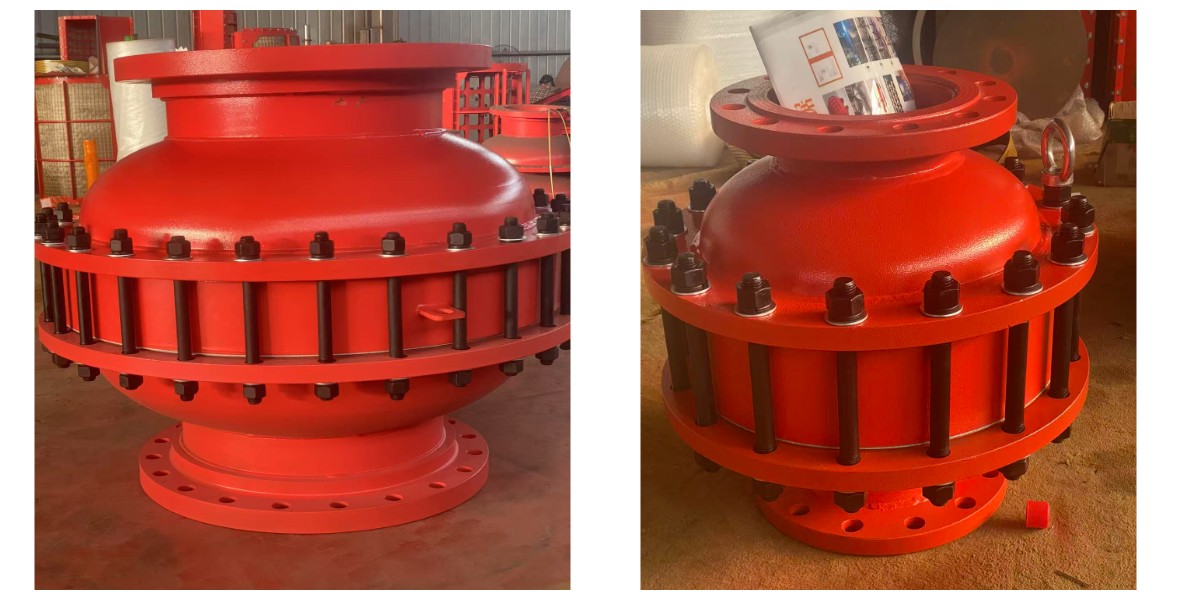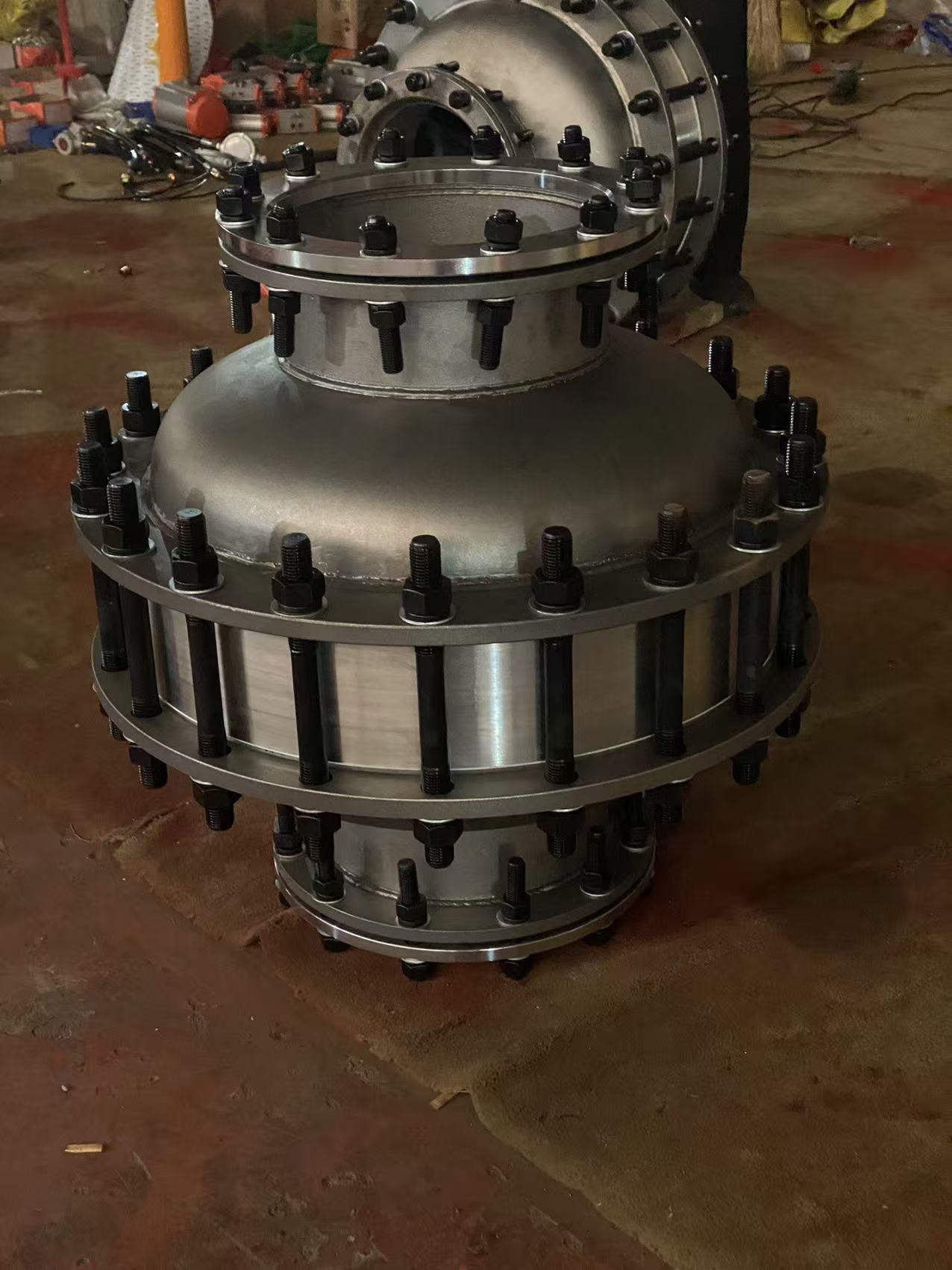
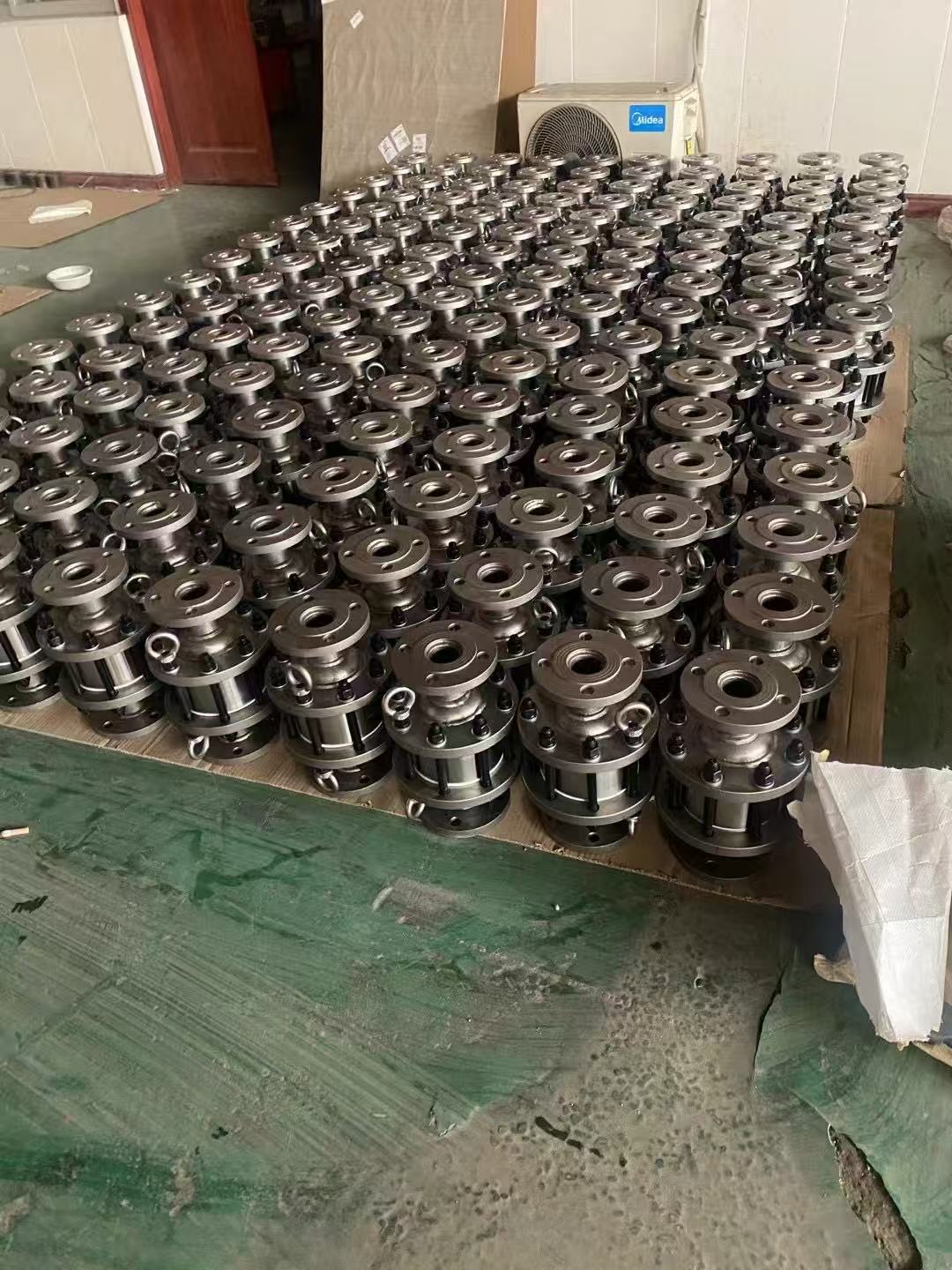
Hydrogen Flame Arrestor
Product Model: ZD-FA14 (Detonation Arrester & Valve Combo)
Type: Hybrid Active/Passive System
Components: 1) A certified Detonation Flame Arrester element. 2) An integrated Fast-Acting Isolation Valve (spring or pyrotechnic actuated) downstream of the element.
Key Feature: Provides dual, sequential protection: first quenching the detonation flame, then physically isolating the line with a mechanical valve.
Typical Use: Ultra-high-hazard applications: long pipelines to flares, inlet of critical gas treatment facilities, connections between major process units where absolute isolation is required after an event.
Overview
For the most critical pipeline applications, relying on a single passive barrier may be deemed insufficient from a risk perspective. This hybrid system combines the best of both technologies. The primary line of defense is a robust detonation arrester, which quenches the supersonic flame and absorbs the shock wave. Immediately downstream, a fast-acting isolation valve is installed. Upon detection of the explosion event (via pressure sensors), this valve slams shut after the flame has been quenched, providing a positive, leak-tight mechanical seal. This ensures that even if the arrester were somehow compromised, or to prevent any subsequent gas flow after the event, the line is completely isolated.
Features & Benefits
Layered Safety (Passive + Active): Meets the highest safety integrity level (SIL) requirements through redundancy with diverse technology.
Positive Post-Event Isolation: The valve ensures no further flammable gas can feed a potential fire or allow re-ignition downstream.
Protects Downstream Equipment: Guarantees that no pressure wave, hot gases, or burning embers reach sensitive equipment like compressors or scrubbers.
Systematic Shutdown: The valve closure signal can be used to trigger a full process unit shutdown sequence.
How It Works
An explosion initiates and develops into a detonation traveling down the pipeline.
The leading shock wave and flame front hit the detonation arrester element. The shock wave passes (housing contains it), and the flame is quenched.
Pressure sensors on the housing detect the event and send a signal to the isolation valve’s actuator.
Within milliseconds, the isolation valve closes, physically severing the pipeline connection.
The system is now safe: the flame is out, and the fuel supply is cut off.
Specifications (Descriptive)
The system is custom-engineered for pipe sizes DN100 to DN300. The detonation arrester is rated for the specific gas and pipe run-up conditions. The isolation valve has a closure time of < 100 ms. The actuation system is typically pneumatic with spring return or pyrotechnic for the fastest response, with backup power supplies. The system includes a control panel for testing, status indication, and integration with the plant DCS/ESD. All components carry relevant ATEX/IECEx certifications for hazardous areas.
Q&A
Q: Why is the valve installed downstream of the arrester and not upstream?
A: Installing it downstream protects the valve itself from the full force of the detonation. The arrester absorbs the shock and quenches the flame, allowing a lighter, faster valve to be used. Installing it upstream would require a valve rated to withstand a detonation, which is impractical.
Q: What if the pressure sensor fails to detect the event?
A: Redundancy is key. Multiple sensors (e.g., two-out-of-three voting logic) are typically used. Some systems also have a mechanical pressure trip on the valve itself as a last-resort backup.
Q: Is the system reusable after an event?
A: The detonation arrester element must be inspected and likely replaced after a confirmed detonation event, as per standard practice. The isolation valve can typically be reset and re-armed after inspection, provided it was not damaged by any residual pressure pulse.
Q: What is the lead time and cost for such a system?
A: Lead times are long (6-12 months) due to custom engineering, certification, and testing. Cost is significantly higher than a standalone arrester or valve, reflecting the engineered system integration and high safety performance.
About ZD Safety
We deliver engineered safety systems for maximum risk reduction. This hybrid arrester-valve system represents the pinnacle of pipeline explosion protection, designed for applications where the consequence of failure is unacceptable and the highest assurance is required.