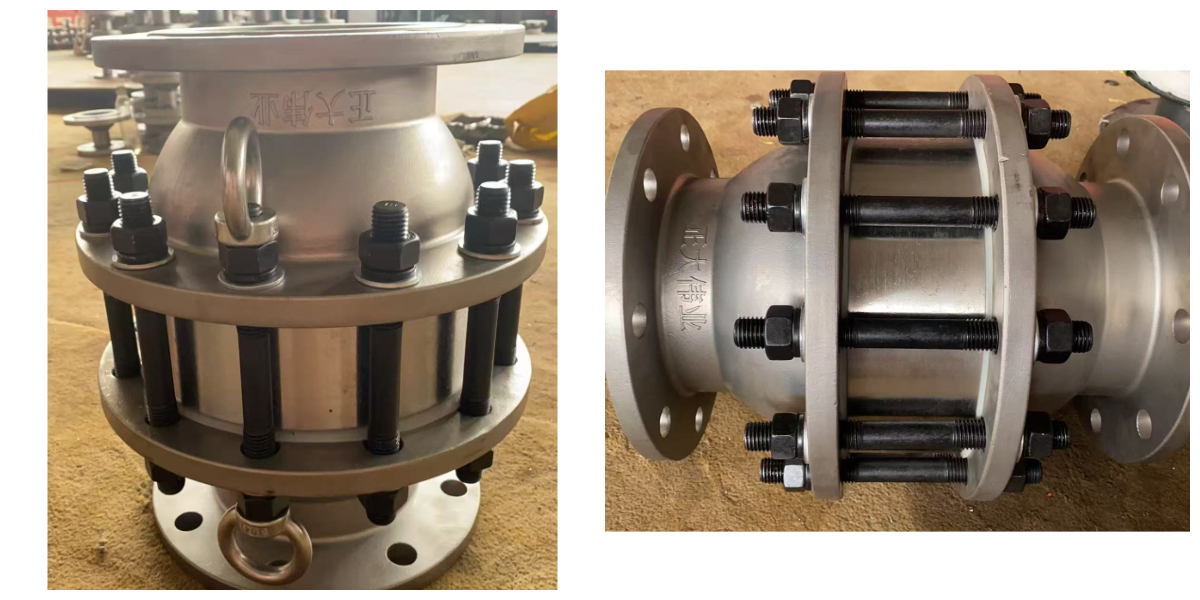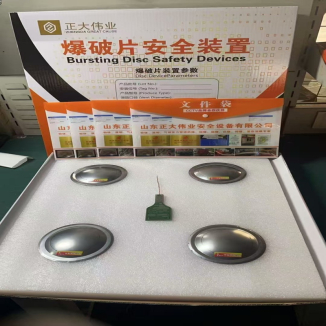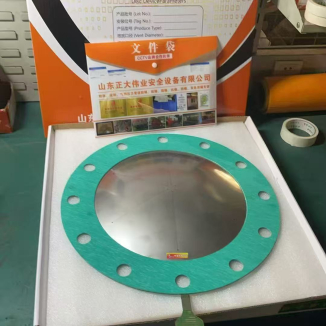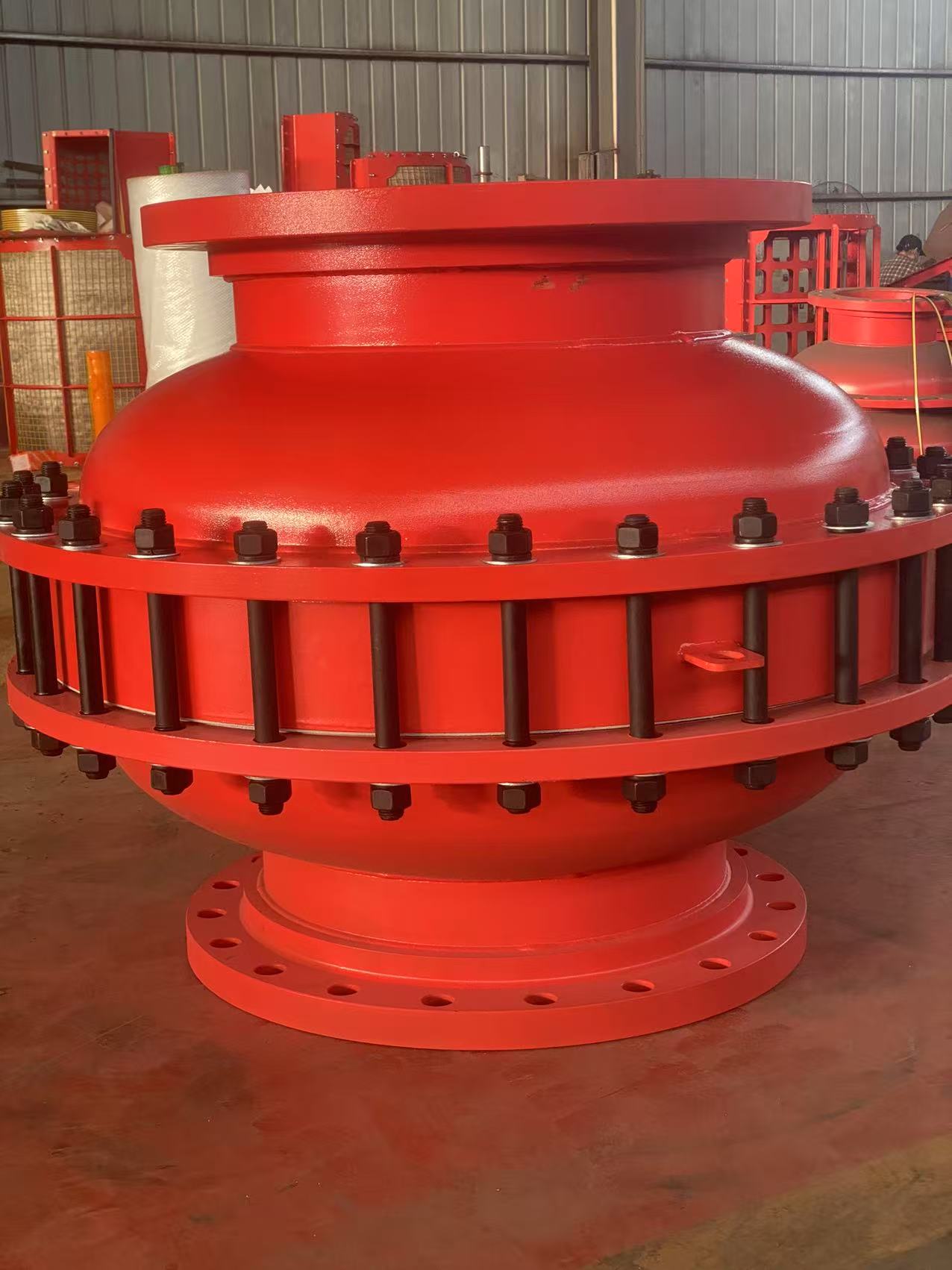
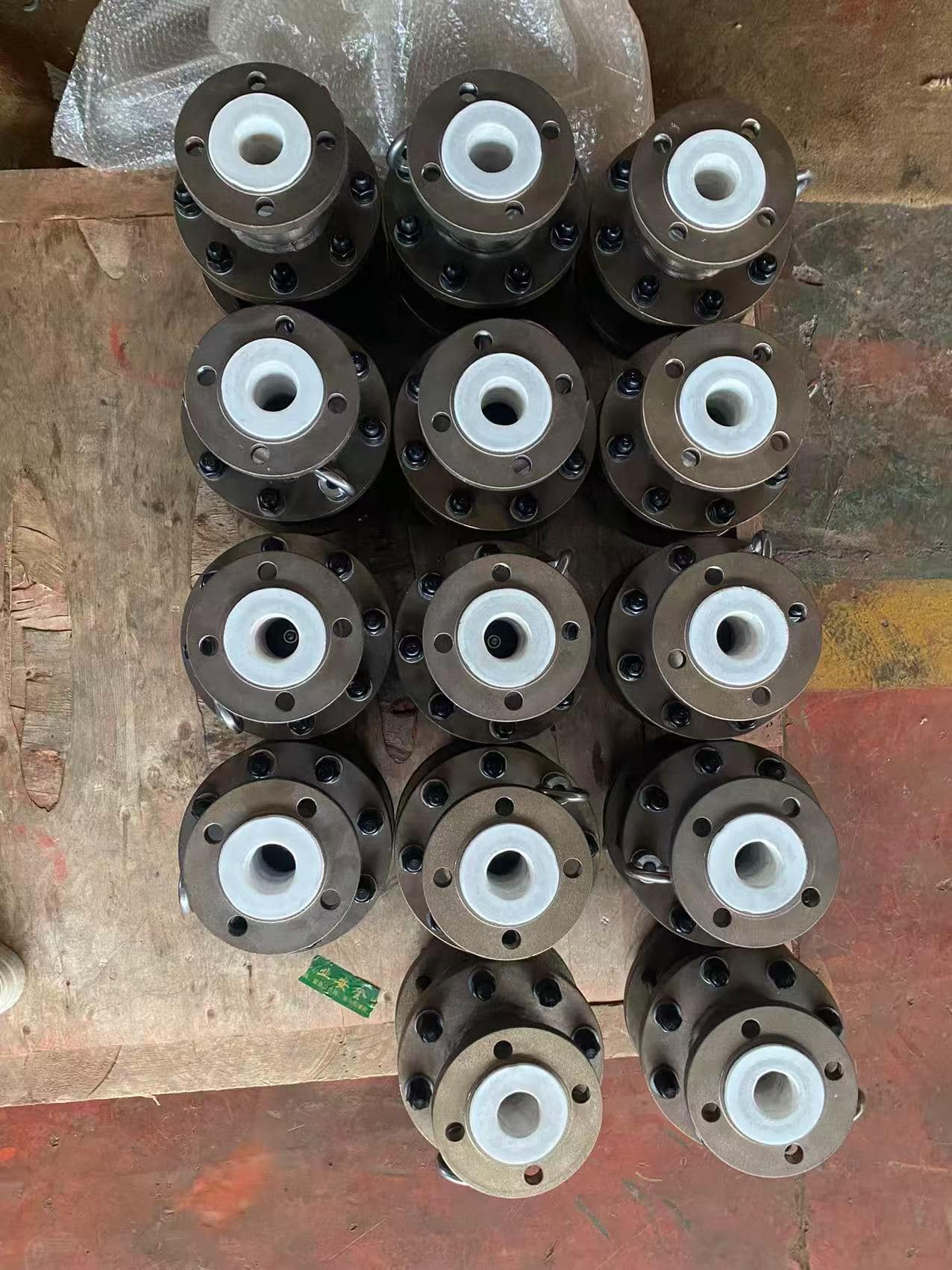
Flame Arrester with Sensors
Product Model: ZD-FA15 (Instrumented Monitoring Arrester)
Type: Deflagration/Detonation Arrester with Built-In Instrumentation
Material: Housing: Carbon Steel or Stainless Steel with integrated sensor ports.
Key Feature: Factory-integrated pressure transmitters and temperature sensors monitor conditions across the flame arrest element in real-time.
Output: 4-20mA or digital (e.g., Foundation Fieldbus, Profibus PA) signals for element differential pressure (ΔP) and upstream temperature.
Typical Use: Critical vent headers, flare lines, and process vents where monitoring element health and process conditions is essential for predictive maintenance and safety system integrity.
Overview
A flame arrester is a critical but passive device; its health is typically unknown until it fails or is physically inspected. The Instrumented Monitoring Arrester transforms it into an intelligent component. By integrating high-accuracy pressure taps before and after the element and a temperature probe upstream, it provides continuous, real-time data on the element’s condition and the process stream. A rising ΔP indicates fouling or plugging. Abnormal temperature can signal process upsets or external fire exposure. This data enables predictive maintenance, immediate alarm on performance degradation, and provides valuable data for safety system diagnostics.
Features & Benefits
Predictive Maintenance: Trend ΔP to schedule element cleaning precisely before it becomes a flow restriction or safety concern, avoiding unplanned shutdowns.
Safety System Diagnostics: Confirm the arrester is online and functional. An alarm on high ΔP or high temperature can trigger operator action or automatic sequences.
Process Monitoring: Upstream temperature provides additional process insight.
Reduced Inspection Costs: Minimizes the need for routine physical inspections, especially in remote or difficult-to-access locations.
Improved Safety Management: Provides documented, real-time proof of safety device availability and performance.
How It Works
The arrester is manufactured with threaded or flanged ports welded into the housing upstream and downstream of the flame arrest element cartridge. Certified pressure transmitters are mounted on these ports, and their differential is calculated. A temperature probe (RTD or thermocouple) is installed in the upstream port or a dedicated well. The signals are wired to a local junction box or directly into the plant’s control and safety instrumented system (SIS).
Specifications (Descriptive)
Available for arrester sizes DN80 and larger. Sensor Specifications: ΔP transmitter range (e.g., 0-5 kPa), accuracy (±0.1%). Temperature sensor type (e.g., Pt100 RTD). Output Signals: Standard 4-20mA HART or digital bus protocols. Explosion Protection: Sensors and housings are Intrinsically Safe (Ex ia) or Flameproof (Ex d) certified. The system includes local display option and calibration certificates for all instruments.
Q&A
Q: How do you set the alarm points for differential pressure?
A: The clean ΔP is established during commissioning or from factory test data. An alarm is typically set at 150-200% of the clean ΔP, and a shutdown or critical alarm at a higher level (e.g., 250%), indicating severe blockage. These are set based on the allowable backpressure on the protected equipment.
Q: Does the instrumentation affect the flame arrest certification?
A: The basic arrester design is certified. The instrumentation ports are added in a way that does not compromise the mechanical integrity or internal geometry of the flame quenching chamber. The complete assembly may be re-evaluated by the certifying body.
Q: Can this be retrofitted to existing arresters?
A: Generally, no. The sensor ports need to be integrated during manufacturing to ensure pressure integrity and correct placement. Retrofits would require hot-tapping, which is complex and may void certifications.
Q: What about maintenance of the sensors themselves?
A: The pressure transmitters and temperature probes require periodic calibration per the plant’s instrument maintenance schedule, independent of the arrester element’s maintenance.
About ZD Safety
We are pioneering the smart safety device. Our instrumented flame arresters bring the benefits of Industry 4.0 to process safety, transforming a critical barrier from a passive component into a source of actionable intelligence for improved reliability, maintenance planning, and overall safety management.