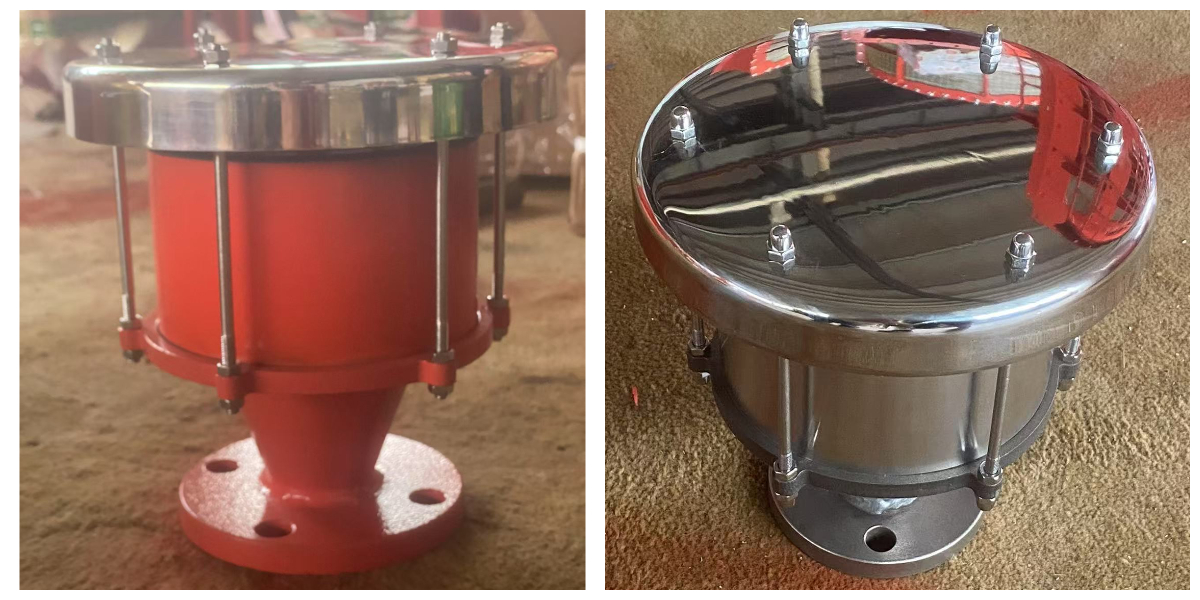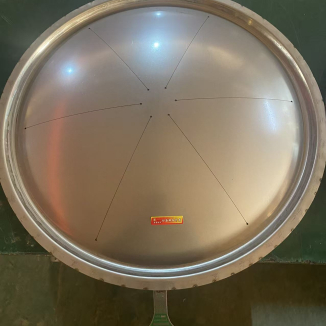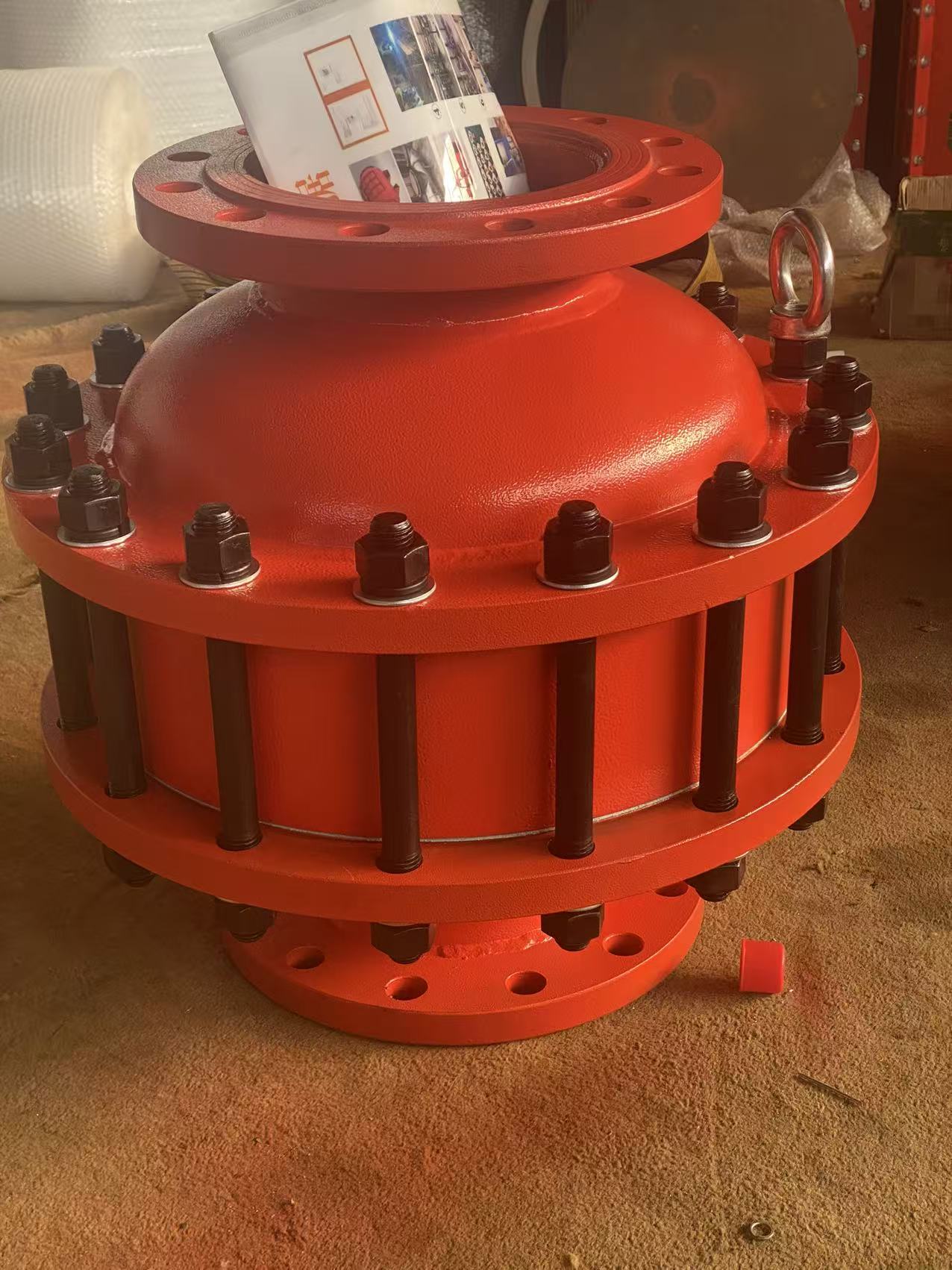
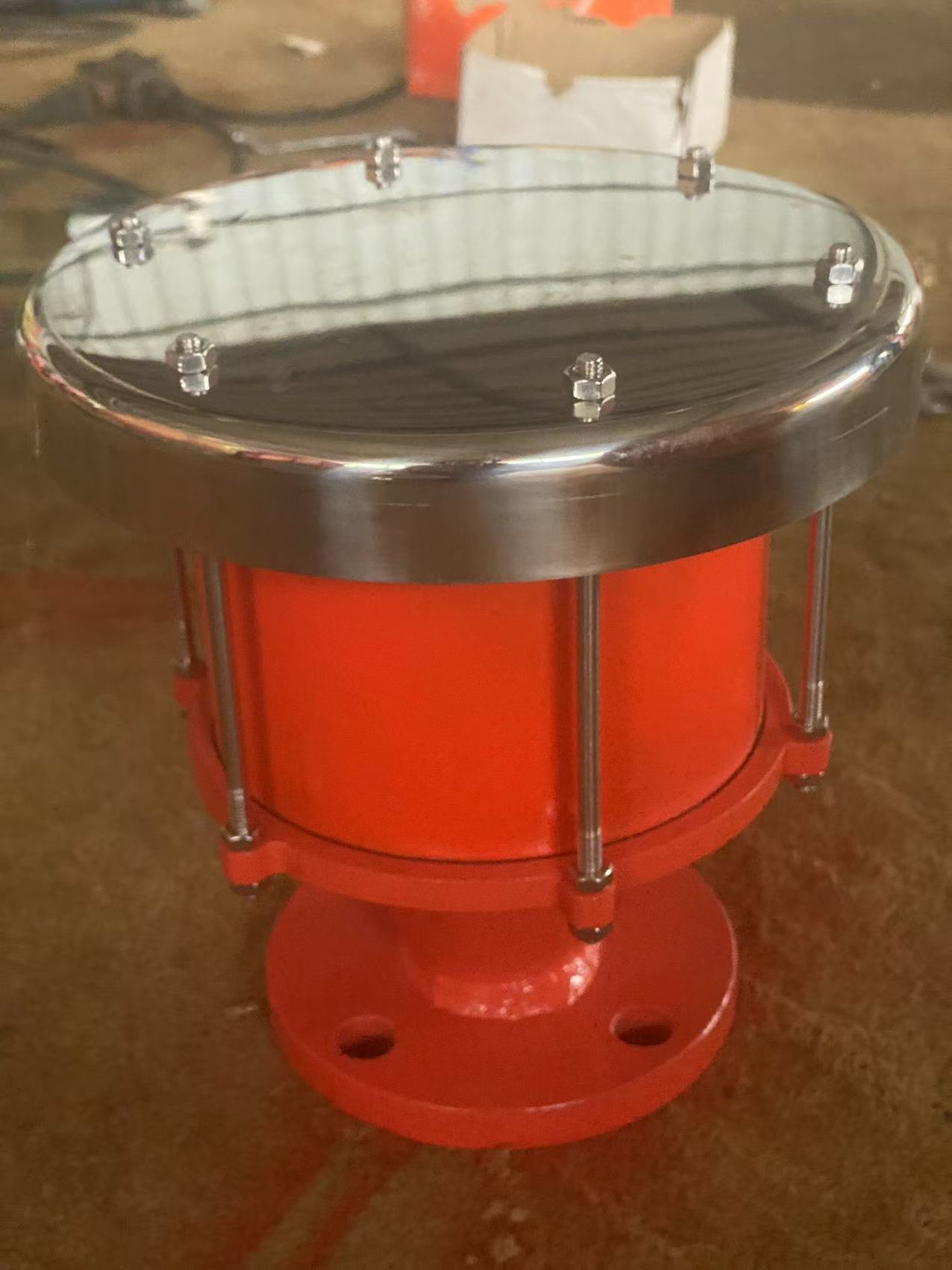
Hydrogen Service Flame Arrester
Product Model: ZD-FA18 (Hydrogen Grade)
Type: In-Line Detonation Arrester (optimized for H₂)
Material: Housing: 316L Stainless Steel (low carbon, certified for H₂ service) or special alloys. Element: Precision, multi-layer matrix with extremely small channel geometry.
Key Feature: Specifically engineered for the unique properties of hydrogen: very small MESG (0.029 mm), high flame speed, and propensity for detonation. Materials selected to resist hydrogen embrittlement.
Certifications: ATEX/IECEx for Group IIC (including H₂). Compliant with emerging standards for hydrogen fueling (ISO 19880-3, NFPA 2).
Typical Use: Hydrogen production electrolyzer vents, hydrogen compression station piping, tube trailer unloading lines, hydrogen refueling station dispensers and vents, fuel cell system inlet protection.
Overview
The hydrogen economy demands safety devices that address its unique explosive characteristics. Hydrogen has the smallest Maximum Experimental Safe Gap (MESG) of any common gas and can accelerate to detonation rapidly in confined spaces. Standard arresters are ineffective. Our Hydrogen Service Flame Arrester is engineered from the ground up for this challenge. It features an ultra-fine, stabilized element geometry capable of quenching hydrogen's fast, penetrating flame. The housing and element materials are verified for resistance to hydrogen embrittlement, ensuring long-term integrity under high-pressure cycling. This device is essential for safely deploying hydrogen infrastructure across mobility, industry, and energy storage.
Features & Benefits
Validated for Hydrogen MESG: The core element is designed and tested to reliably quench hydrogen flames, meeting the stringent requirements for Group IIC gases.
Detonation Capable: Constructed to withstand and arrest the transition from deflagration to detonation, which is a significant risk in long hydrogen pipelines.
Embrittlement-Resistant Construction: All wetted materials are selected and processed to minimize susceptibility to hydrogen adsorption and cracking.
High-Pressure & High-Purity Compatible: Suitable for pressures up to 1000 bar in fueling applications and ensures no contamination of high-purity hydrogen streams.
Supports Clean Energy Transition: Enables the safe handling and distribution of hydrogen, a critical zero-carbon fuel.
How It Works
The arrester employs a densely packed, multi-layered metal matrix with channel dimensions calibrated below the quenching diameter for hydrogen. When a hydrogen flame enters, the massive surface area of the ultra-narrow channels extracts heat at a rate faster than the flame can propagate, causing extinction. The robust housing is designed to contain the significant pressure pulses associated with hydrogen explosions.
Specifications (Descriptive)
Sizes range from DN15 for instrument lines to DN150 for main pipelines. Pressure ratings span from standard ANSI 150# to ultra-high PN400 (1000 bar) for fueling applications. The element is certified for Group IIC (H₂, Acetylene). Critical documentation includes H₂ Material Compatibility Certificates and detonation arrestment test reports. Connection types include tube fittings, high-pressure flanges, and clean, welded ends for high-purity systems.
Q&A
Q: Why is a special arrester needed for hydrogen? Can't a standard IIC arrester work?
A: While both are Group IIC, hydrogen's combination of extremely small MESG, high diffusivity, and low ignition energy presents a unique challenge. Arresters for hydrogen often require even finer element geometry and specific validation testing under conditions representative of hydrogen service (e.g., high pressure, pre-heating).
Q: How does pressure affect the performance for hydrogen?
A: Higher pressures can reduce the quenching distance for some gases, but for hydrogen, the risk of detonation increases significantly with pressure and pipeline length. Therefore, high-pressure hydrogen applications almost invariably require a detonation-rated arrester, not just a deflagration type.
Q: What about maintenance in high-purity systems?
A: Maintenance procedures must prevent contamination. The use of particle-free wipes and clean gloves is mandatory. The arrester design often allows for in-place cleaning with approved solvents or replacement of the entire element cartridge under controlled conditions.
Q: Where should it be installed in a hydrogen refueling station?
A: Typical locations include: on the vent stack from the compressor and storage, in the pipeline upstream of the dispenser, and at the vent point of the dispenser itself. A detailed hazard and operability study (HAZOP) determines the exact placement.
About ZD Safety
We are at the forefront of safety for the new energy landscape. Our hydrogen flame arresters are developed through advanced research and testing, providing the certified, reliable protection necessary to unlock the full potential of hydrogen as a safe and sustainable energy carrier.