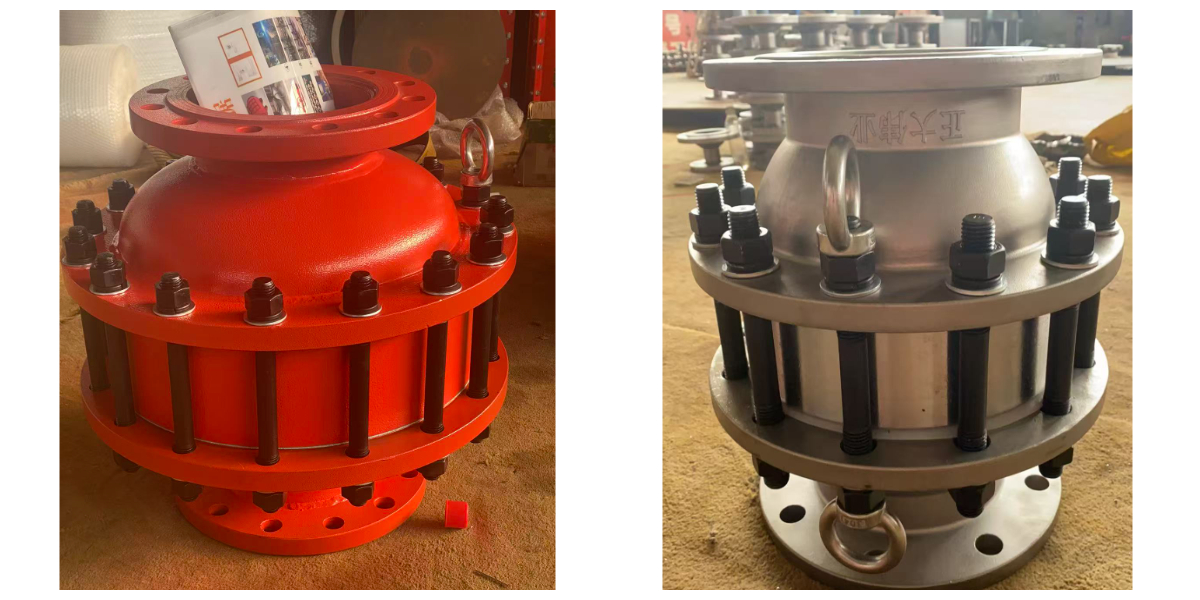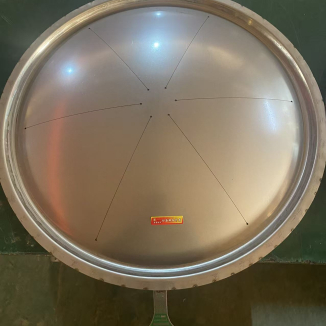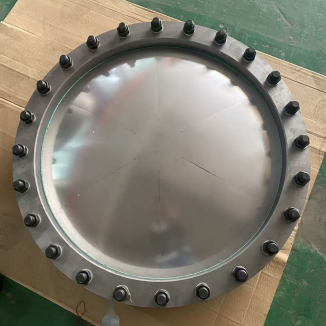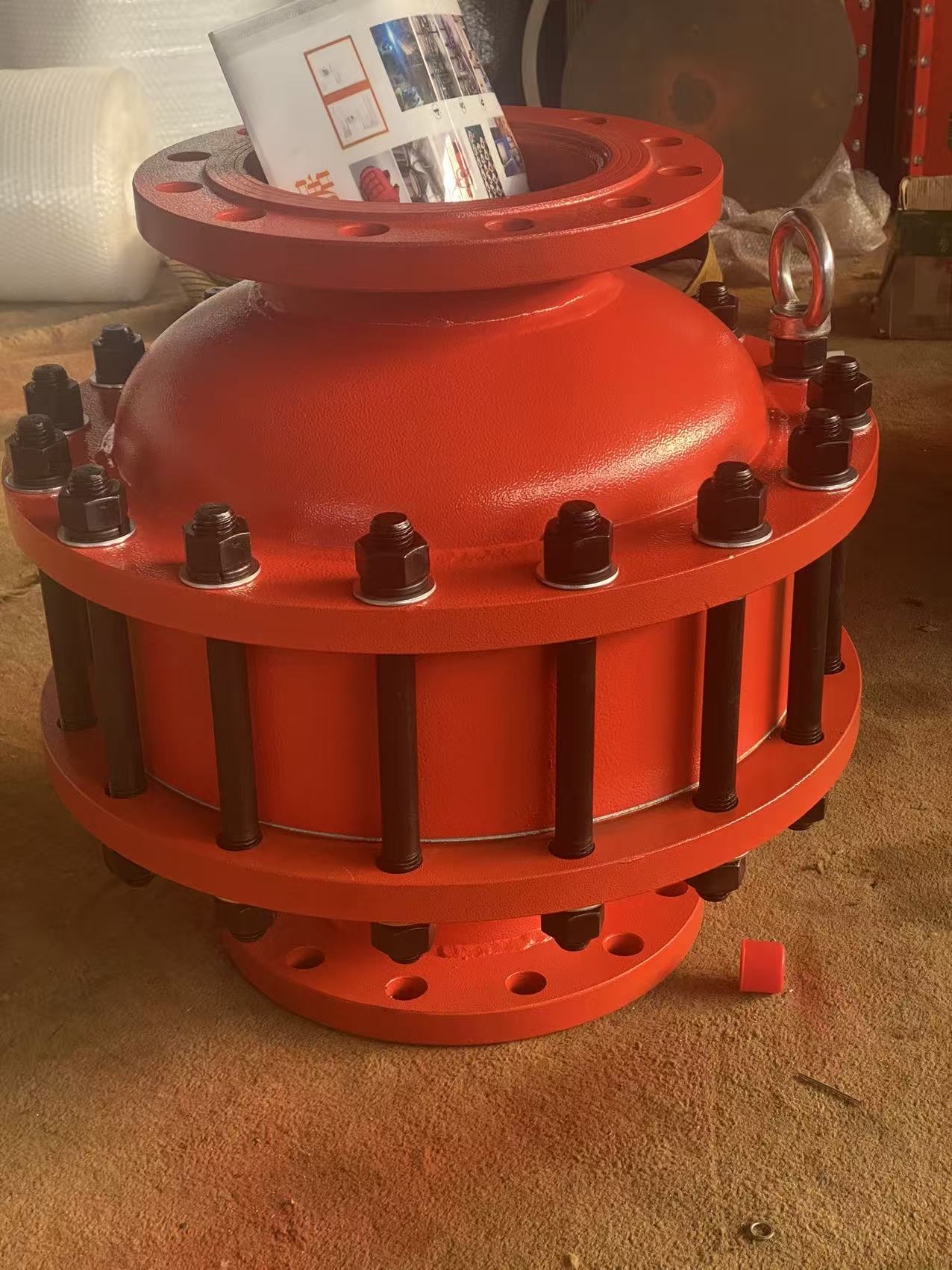
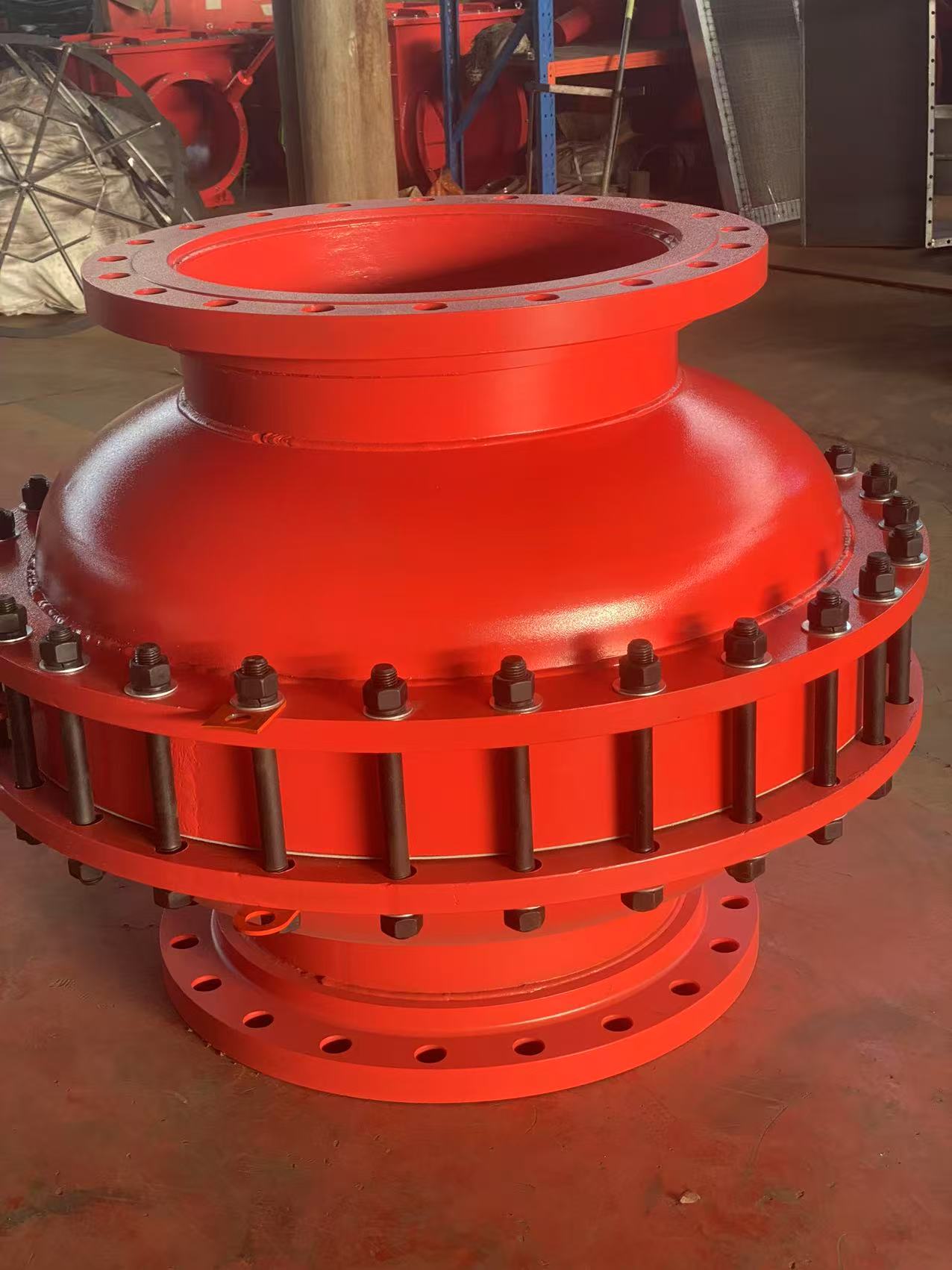
Flame Arresters In Piping Systems
Product Model: ZD-FA12 (Liquid-Loaded / Coalescing Type)
Type: In-Line Deflagration Arrester with Integrated Liquid Separation
Material: Housing: Carbon Steel or Stainless Steel. Element: Special hydrophobic & oleophobic coated matrix or mesh packs.
Key Feature: Combines flame quenching with entrained liquid droplet removal/coalescing. Prevents liquid carryover from fouling downstream elements or entering sensitive equipment.
Typical Use: Vent headers from knockout drums, compressor suction scrubber outlets, flare gas lines, and any vapor line where aerosol or mist carryover is expected.
Overview
In many process vents and vapor lines, the gas stream is saturated or carries fine liquid droplets (aerosols or mist). If these liquids reach a standard flame arrest element, they can coat and eventually plug the narrow channels, leading to increased pressure drop and potential failure. The Liquid-Loaded Flame Arrester solves this by incorporating a coalescing or demisting stage upstream of the flame arrest element. This stage captures and drains liquid droplets, allowing only "dry" vapor to reach the critical flame quenching matrix. This dramatically extends service life and maintains reliable performance in wet gas services.
Features & Benefits
Protects the Flame Element: Removes liquids before they can foul the sensitive quenching matrix, ensuring long-term, reliable flame arrest performance.
Improves Downstream Operations: Provides cleaner vapor to downstream equipment like compressors, blowers, or flares.
Reduces Maintenance Frequency: By preventing liquid fouling, the need for element cleaning or replacement is significantly reduced.
Integrated Design: A single vessel performs both separation and safety functions, saving space and cost compared to two separate units.
How It Works
The vapor/liquid mixture enters the vessel. It first passes through a coalescing section (e.g., mesh pads, vane packs, or special matrices) where fine droplets collide, coalesce into larger drops, and fall by gravity to a sump at the bottom, which is equipped with a drain. The now "dried" vapor then flows through the secondary flame arrest element, which performs the standard heat absorption quenching function. The liquid sump may include a level gauge and automatic drain valve.
Specifications (Descriptive)
Sizes: DN80 to DN400. Pressure Rating: Typically ANSI 150# or PN16. Key performance specs include liquid removal efficiency (e.g., 99.9% removal of droplets > 10 micron) and liquid holding capacity of the sump. The flame arrest element is certified per standards. Materials are selected based on the liquid (e.g., 316SS for corrosive condensate). Options include high-level alarms, heated jackets to prevent wax or hydrate formation, and duplex units for online maintenance.
Q&A
Q: Can it handle "slug" flow or large volumes of liquid?
A: No. It is designed for entrained droplets and mist, not for separating liquid slugs or significant two-phase flow. A properly sized knock-out drum or vessel must always be installed upstream to handle bulk liquid separation. This unit provides final polishing and element protection.
Q: What happens to the collected liquid?
A: It collects in the sump and must be drained periodically, either manually or via an automatic drain valve. The drain should be routed to a closed collection system for environmental and safety reasons.
Q: Does the coalescing section itself act as a flame arrester?
A: No. The coalescing media is not designed or certified to quench a flame. Its purpose is solely liquid removal. The dedicated, certified flame arrest element downstream provides the safety function.
Q: How do you size the liquid drainage?
A: Sizing is based on the expected liquid carryover rate from the upstream process. The sump volume and drain line size must be sufficient to handle this rate without flooding the vessel.
About ZD Safety
We design for real-world process conditions. Our liquid-loaded flame arresters recognize that vapors are rarely perfectly dry, providing an intelligent, preventative design that ensures your primary safety device remains operational and effective over the long term.