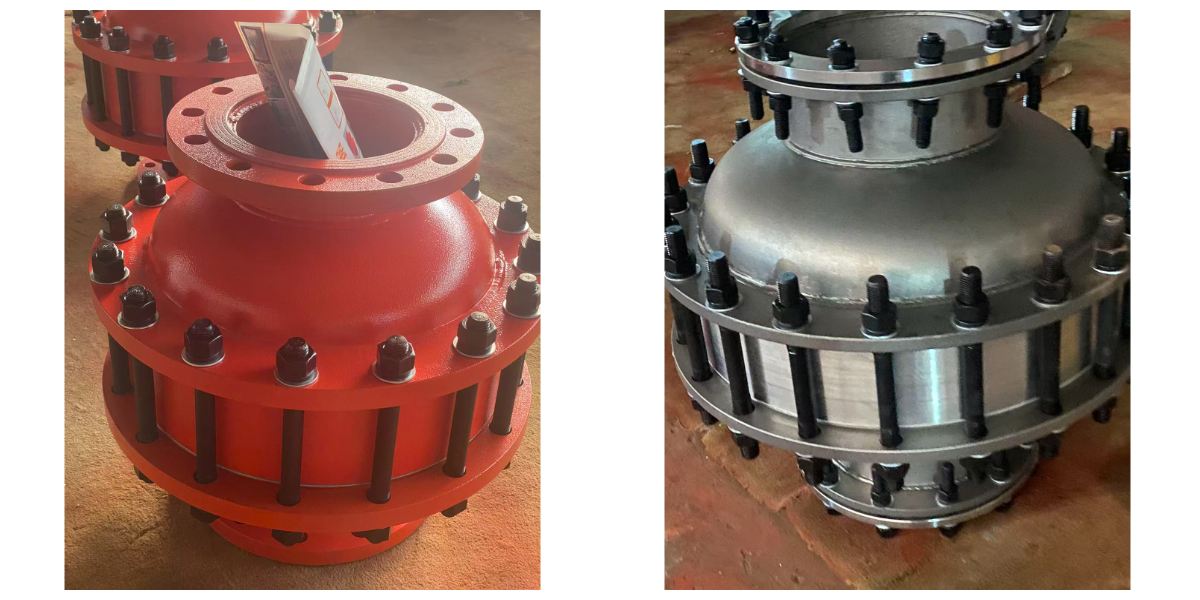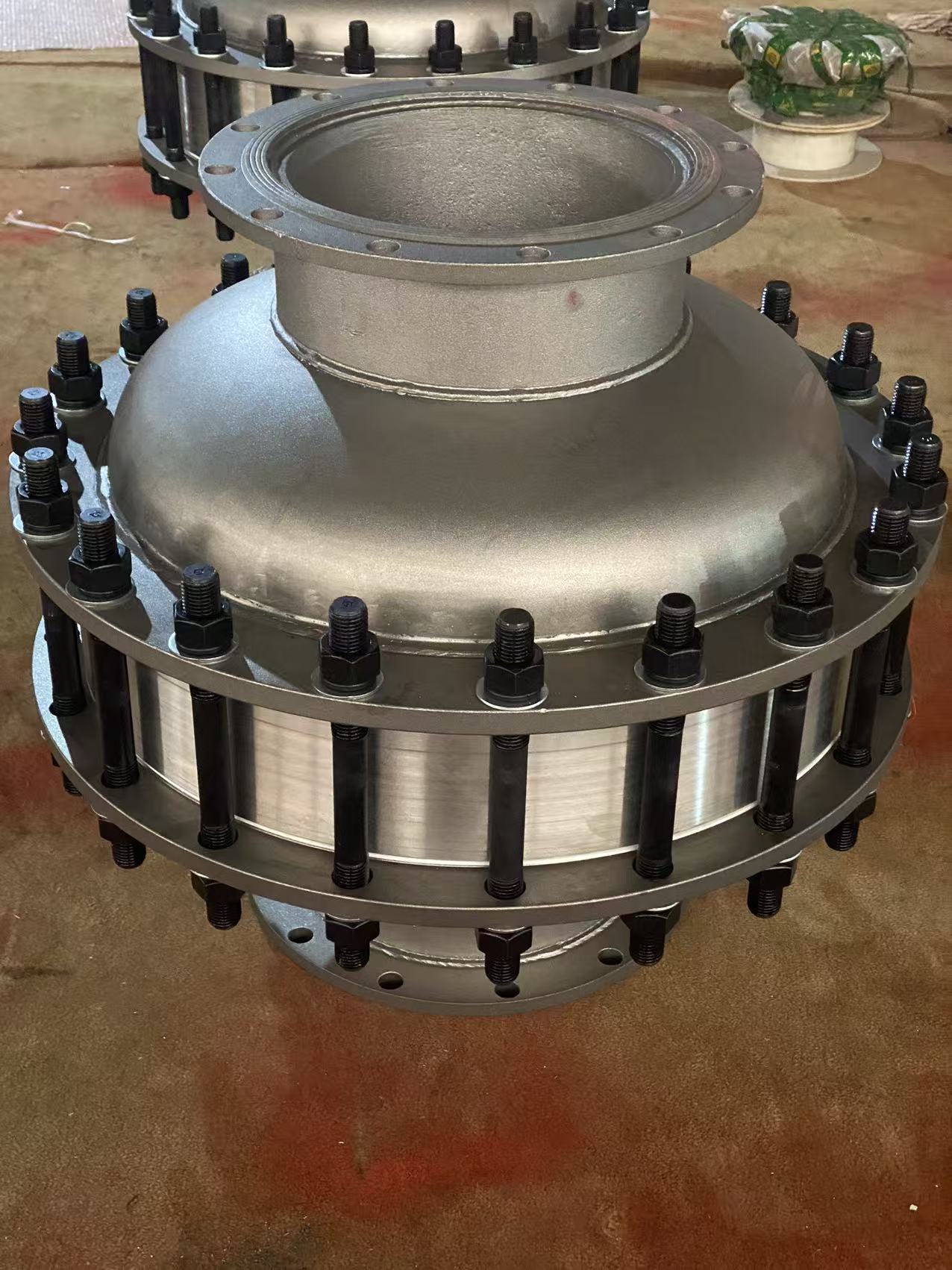
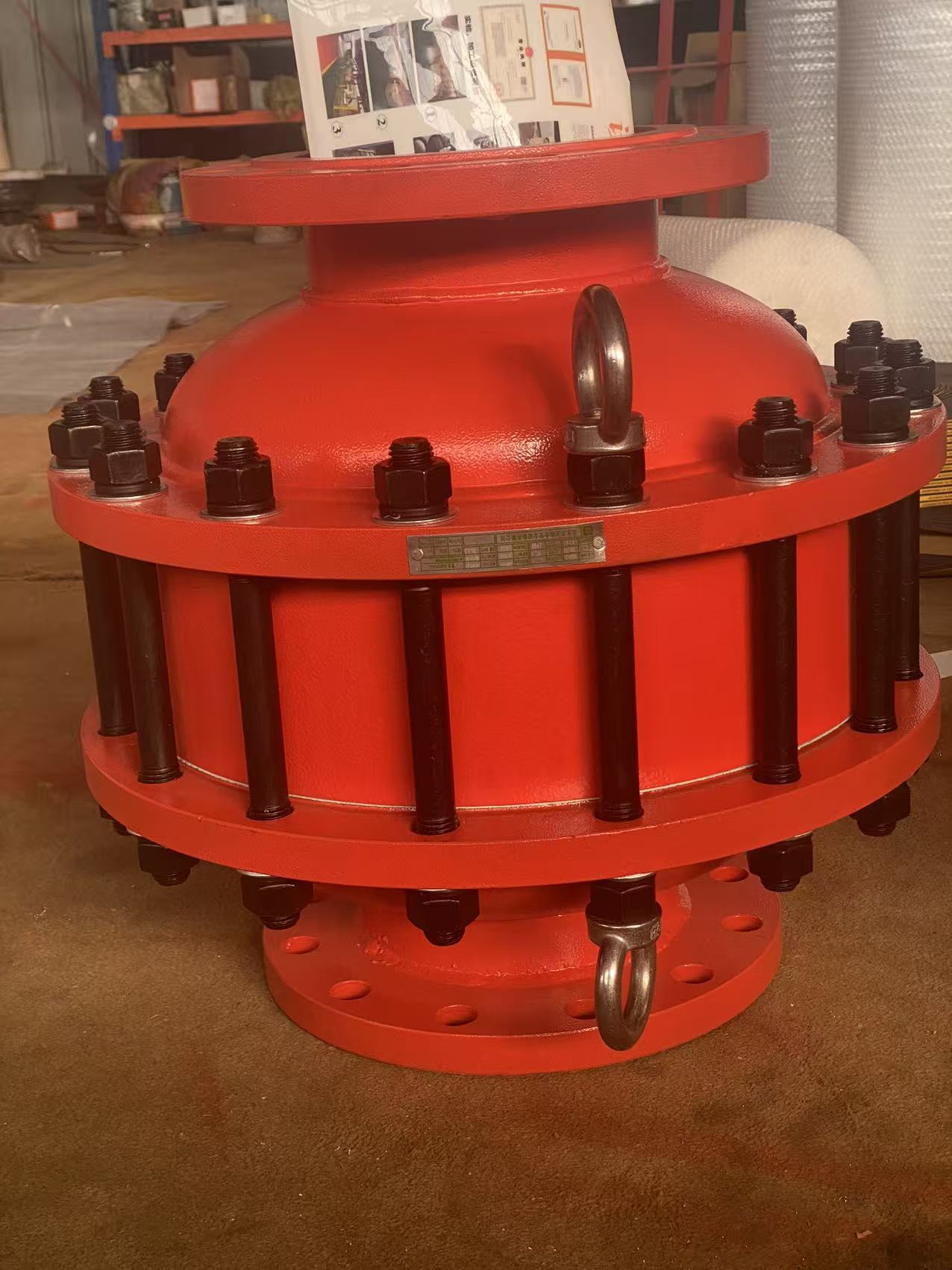
High-Pressure In-Line Flame Arrester
Product Model: ZD-FA11 (High-Pressure In-Line)
Type: In-Line Deflagration/Detonation Arrester (for High-Pressure Pipelines)
Material: Housing: Forged or Cast Alloy Steel (e.g., ASTM A105, A352). Element: Multi-layer, High-Strength Stainless Steel Matrix.
Key Feature: Designed for direct installation in high-pressure hydrocarbon, hydrogen, or chemical process pipelines. Rated for working pressures up to ANSI 2500# or higher.
Certifications: ATEX, IECEx, FM, PED (Pressure Equipment Directive) CE Marking.
Typical Use: On pipelines from high-pressure reactors, within compressor discharge lines, upstream of control valves, in hydrogen refueling lines, and on high-pressure gas transmission lines within plants.
Overview
Standard in-line flame arresters are typically rated for low to moderate pipeline pressures. The High-Pressure In-Line Flame Arrester is engineered to function as both a pressure-retaining process component and a certified safety device. Manufactured from forged or cast steel to ASME/ANSI standards, it integrates seamlessly into high-pressure piping systems where the risk of deflagration or detonation exists. Its robust construction withstands not only the static process pressure but also the extreme dynamic loads of an explosion event, making it a critical component for protecting expensive high-pressure assets and preventing cascading failures.
Features & Benefits
Full Pressure Vessel Rating: Designed, manufactured, and stamped as an ASME Section VIII pressure vessel, suitable for the highest process pressures.
Dual Integrity: Provides both pressure containment and certified flame/detonation arrestment in a single unit.
Minimized System Complexity: Eliminates the need for pressure let-down stations or special low-pressure protected chambers before a standard arrester.
High-Flow Capability: Engineered for minimal pressure drop even at high volumetric flow rates common in process streams.
How It Works
The device incorporates a specially engineered, high-integrity flame arrest element housed within a pressure vessel shell. The element is designed to withstand high-pressure cycling and potential mechanical shock from the process. Under an explosion event, it performs identically to a standard arrester—quenching the flame via heat absorption—while the heavy-duty housing contains the associated pressure pulse.
Specifications (Descriptive)
Sizes: DN25 to DN200. Pressure Class: ANSI 600#, 900#, 1500#, 2500#. Design Temperature: -50°C to +200°C+ (material dependent). The element is certified for specific gas groups and stable/unstable detonation velocities. The housing includes full NDE reports (RT, UT), pressure test certificates, and PED/ASME data plates. Connection ends are butt-weld or RTJ (Ring Type Joint) flanges.
Q&A
Q: Why not just install a standard arrester after a pressure reduction valve?
A: Pressure reduction can create new hazards (e.g., cooling, two-phase flow). Installing the arrester directly on the high-pressure side is often simpler, more reliable, and eliminates a potential failure point (the pressure let-down system). It also protects the high-pressure side from ignition sources originating downstream.
Q: How is the element integrity maintained under high pressure and flow?
A: The element is specially braced and supported within its cartridge to prevent vibration-induced fatigue or deformation from high-velocity flow. It is designed as an integral part of the pressure system.
Q: What about maintenance access under high-pressure conditions?
A: Maintenance requires a full process shutdown, isolation, and depressurization. The element cartridge can typically be accessed via a bolted end cap or a full closure. Replacement intervals are long due to the clean, often dry, nature of high-pressure gas streams.
Q: Is this suitable for hydrogen service at high pressure?
A: Yes, this is a key application. Materials are selected for hydrogen service (resistance to embrittlement), and the element is certified for hydrogen’s small MESG (Maximum Experimental Safe Gap). Special attention is paid to sealing at all connections.
About ZD Safety
We engineer safety for the most demanding process conditions. Our high-pressure flame arresters bridge the gap between process equipment design and explosion safety, providing a certified, integrated solution that meets both piping and safety integrity level (SIL) requirements.