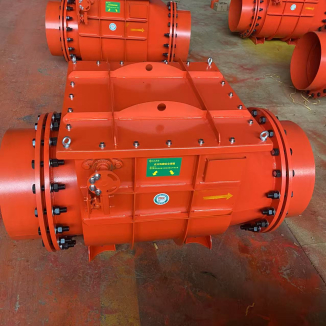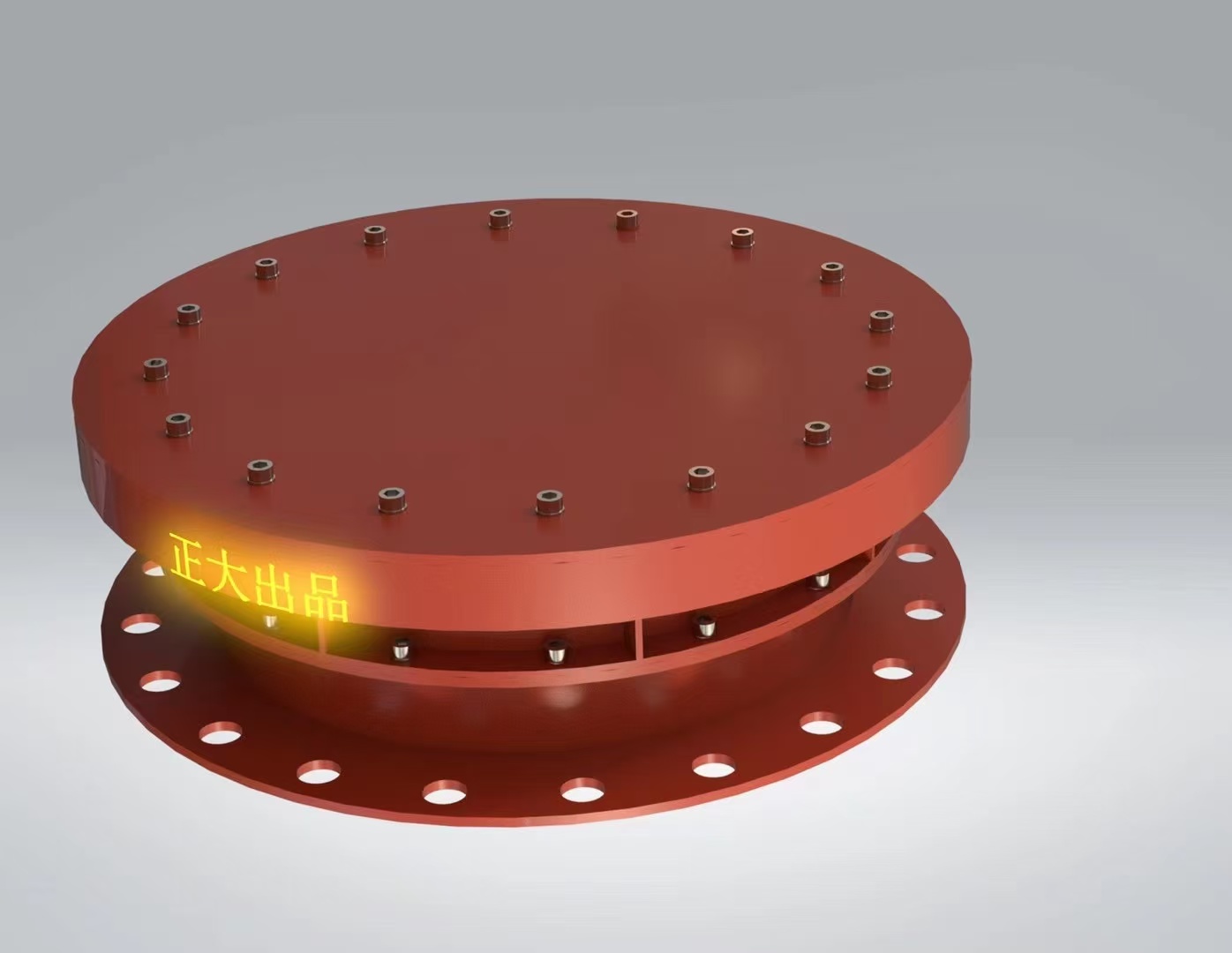
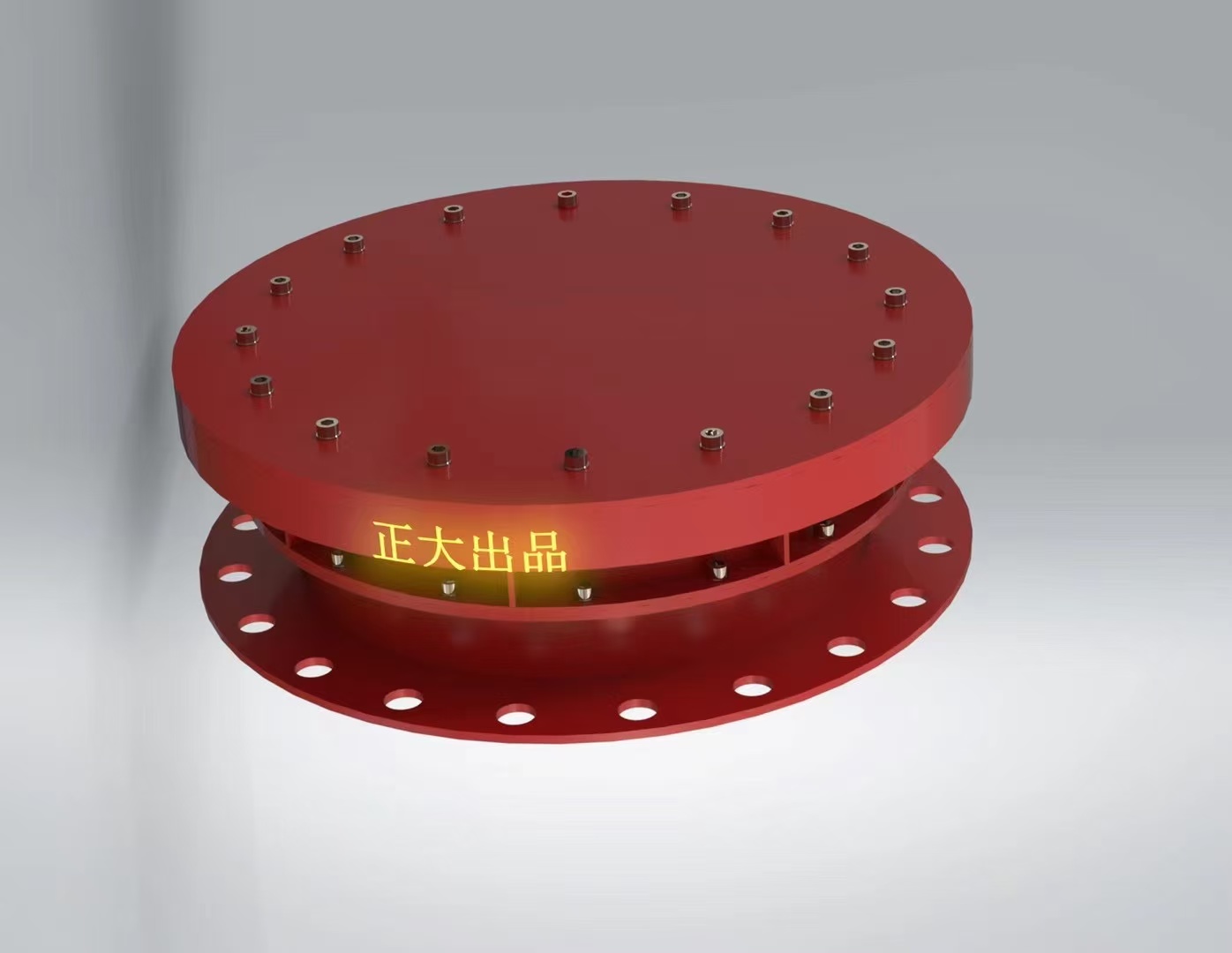
Confined Space Flameless Vent
Product Model: ZD-FV22 (Indoor Flameless Vent)
Type: Attenuated Flameless Explosion Venting Device
Material: Standard housing with integrated acoustic and particulate attenuation layers (e.g., sound-absorbing baffles, secondary fine filters).
Key Feature: Specifically designed for indoor installation where venting must not endanger personnel. Significantly reduces noise, overpressure, and the emission of (cooled) dust or process material.
Overview
While standard flameless vents quench flames, the venting event can still produce significant noise and a plume of cooled dust. The Indoor model goes further. It incorporates advanced attenuation stages that dampen the pressure wave, absorb acoustic energy, and filter particulate matter, making the venting event safer and less disruptive for nearby workers and equipment.
Features & Benefits
Protects Personnel Health: Reduces noise to safe levels and minimizes dust exposure post-event.
Prevents Structural Damage: Attenuates the pressure wave that could damage light fixtures, ceilings, or other building components.
Maintains Plant Cleanliness: Reduces the spread of process material inside the facility.
Facilitates Compliance: Helps meet workplace health, safety, and environmental regulations for indoor industrial operations.
How It Works
After the explosion passes through the primary quenching mesh, it enters a secondary chamber. Here, specially designed baffles or porous materials disrupt and absorb the energy of the pressure wave, lowering its amplitude. Acoustic liners dampen sound. Optional final filter layers can capture a high percentage of the vented solid particles.
Specifications (Descriptive)
Performance is described by additional parameters: Noise attenuation (dB reduction), Pressure wave attenuation (Pred external), and Filtration efficiency. Sizing is crucial as attenuation elements add flow resistance, which must be accounted for in the initial vent area calculation.
Q&A
Q: Does the attenuation affect the required vent size?
A: Yes. The added resistance means the device may have a higher "K" factor. The required vent area (Av) must be increased accordingly to ensure the protected vessel's Pred remains safe. The manufacturer provides specific guidance and sizing tools for these models.
Q: What maintenance is required for the attenuation layers?
A: Like the quenching mesh, the attenuation assembly is typically a single-use module designed for replacement after an explosion event. It should be inspected periodically for general blockage if installed in a dusty environment.