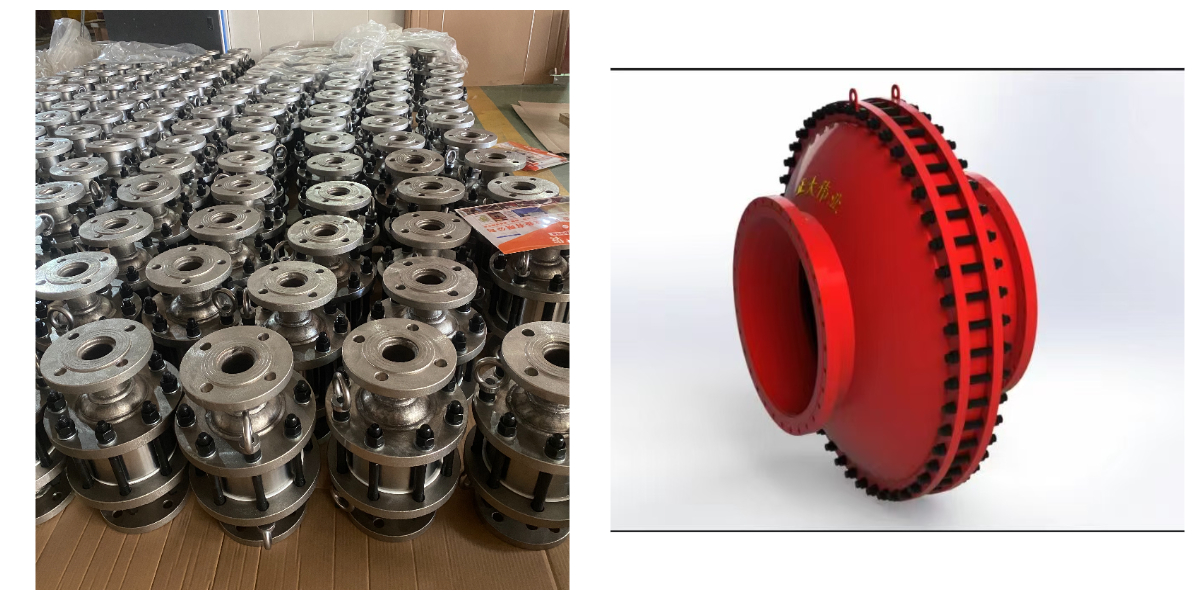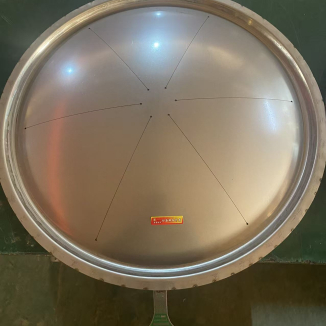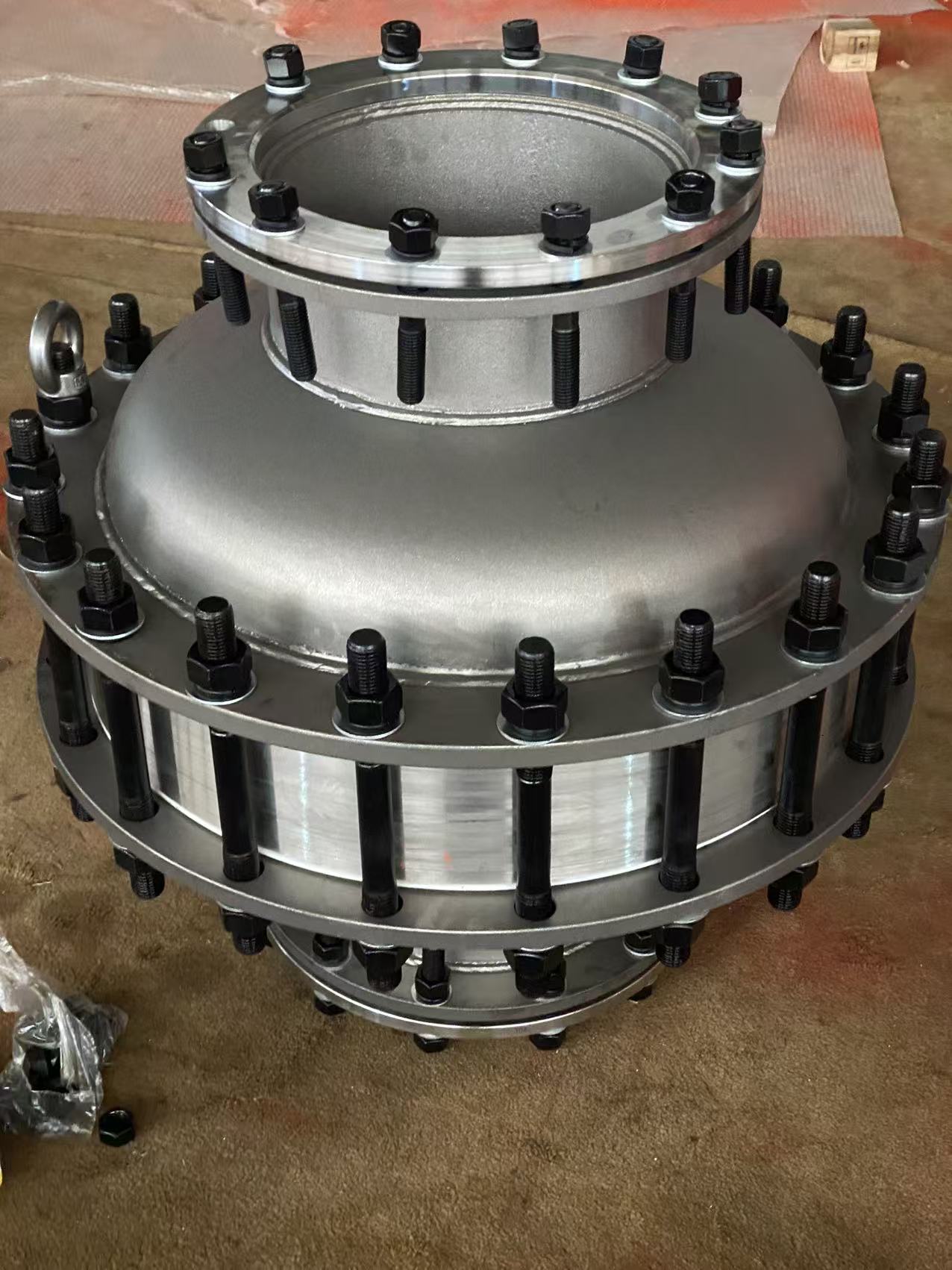
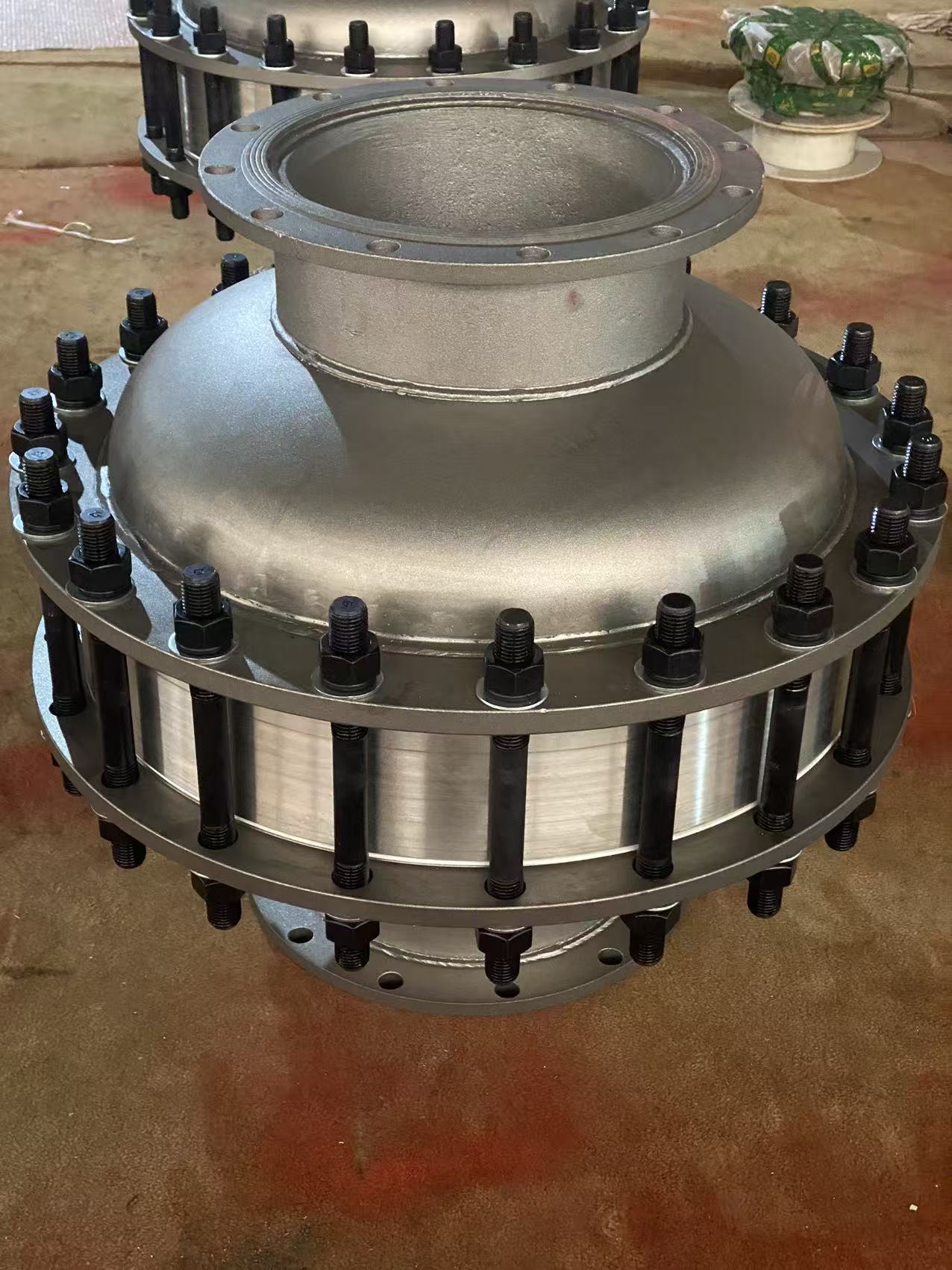
Flame Arrestor In Storage Tank
Product Model: ZD-FA07 (Marine Grade)
Type: End-of-Line Velocity / Atmospheric Type
Material: Housing: Aluminum Bronze (CuAl) or 316L Stainless Steel. Element: Stainless Steel or Monel.
Key Feature: Manufactured to major marine classification society standards (ABS, DNV, LR, etc.). Resists saltwater corrosion.
Certifications: ABS Type Approval, DNV-GL, Lloyd's Register. Compliant with IMO MSC/Circ.1009, SOLAS, and IGF Code.
Typical Use: Vent risers on chemical tankers, product tankers, LNG carrier vent masts, offshore platform storage tanks, and bunker tank vents.
Overview
The marine environment imposes severe conditions: constant salt spray, high humidity, UV exposure, and vibration. Flame arresters on ships and offshore platforms must not only perform their safety function but also survive for decades in this corrosive atmosphere. This marine-grade arrester is constructed from seawater-resistant alloys like aluminum bronze or high-grade stainless steel. It is designed and tested to meet the stringent requirements of international maritime codes and classification societies, ensuring the safe venting of flammable vapors from cargo tanks while preventing the entry of flame from external sources (e.g., funnel emissions, deck fires).
Features & Benefits
Classification Society Approved: Carries necessary marine approvals, facilitating vessel certification and port state inspections.
Superior Corrosion Resistance: Aluminum bronze offers excellent resistance to seawater and atmospheric salt corrosion, outperforming standard steels.
Robust Mechanical Design: Built to withstand shipboard vibration, thermal cycling, and potential impact.
Global Acceptance: Standard design accepted by shipyards and vessel operators worldwide for cargo tank venting applications.
How It Works
Installed at the tip of tank vent masts, it acts as a final barrier. It allows tank breathing (in/out) and emergency gas flow during loading or in a fire situation. The velocity-type element prevents a flame from traveling down the mast into the tank. Its materials ensure the mechanical and corrosion integrity of this critical safety device over the vessel's lifetime.
Specifications (Descriptive)
Standard sizes are DN100, DN150, DN200, DN250 (4", 6", 8", 10") to match cargo vent line diameters. Connection types are standard ANSI or DIN flanges. The housing material is typically Aluminum Bronze (CuAl9Ni5Fe4) or 316L Stainless Steel. The element is stainless steel 316 or Monel. It comes with full classification society documentation (Type Approval Certificate). Options include flame diverter caps and deck mounting brackets.
Q&A
Q: Why is aluminum bronze a preferred material?
A: Aluminum bronze is highly resistant to corrosion in seawater and marine atmospheres, is non-sparking, and has good strength. It is a traditional and trusted material for critical marine safety components.
Q: What is the difference between a "venting" and "PV valve" arrester on ships?
A: A venting arrester (like this model) is typically open to atmosphere and protects the vent line. A PV Valve arrester is integrated into a Pressure/Vacuum Relief Valve, which opens only at set pressures to conserve vapor. Both require flame arrest capability per marine codes.
Q: How often does it need to be inspected at sea?
A: Per classification society rules and vessel safety management systems, external inspections should occur regularly. Internal inspection and cleaning of the element should be performed during dry-docking (every 2.5-5 years) or if performance is suspected to be impaired.
Q: Can it handle the high flow rates during tank loading?
A: Yes, marine arresters are sized for the maximum anticipated venting capacity during loading, as calculated per ship design standards. The pressure drop across a clean arrester is factored into these calculations.
About ZD Safety
We are a trusted supplier to the global maritime industry. Our marine flame arresters are built to the highest standards of durability and performance, ensuring they provide dependable protection throughout the demanding life of a vessel, from shipyard to sea.