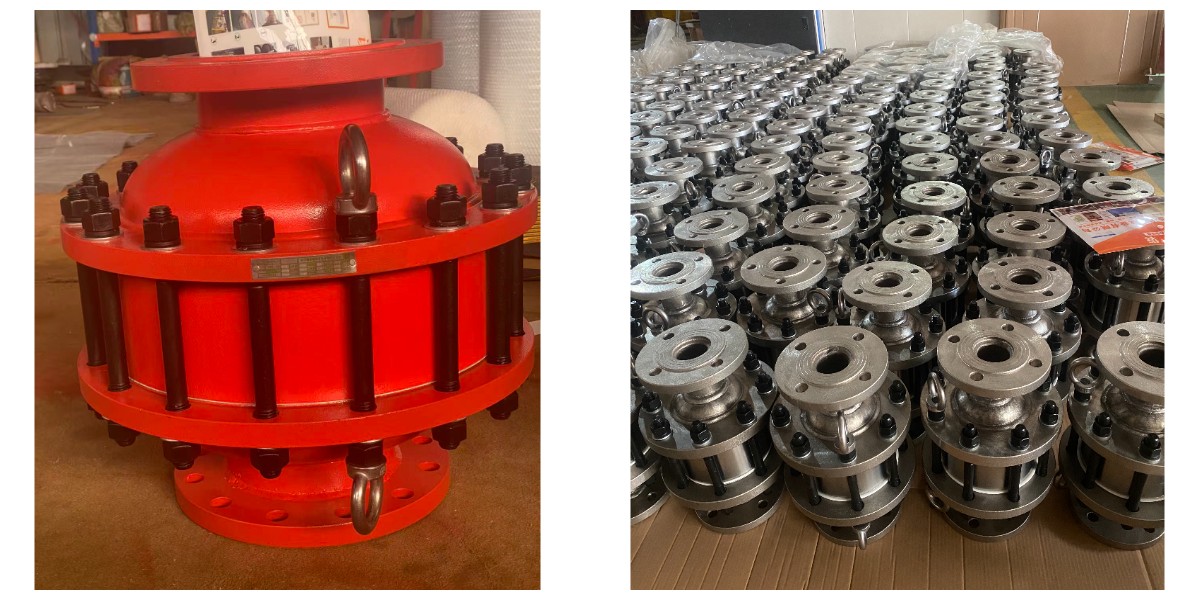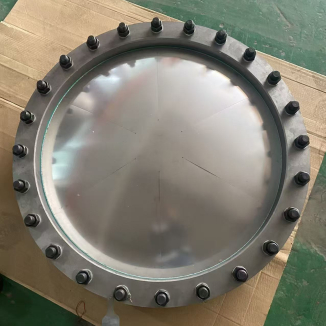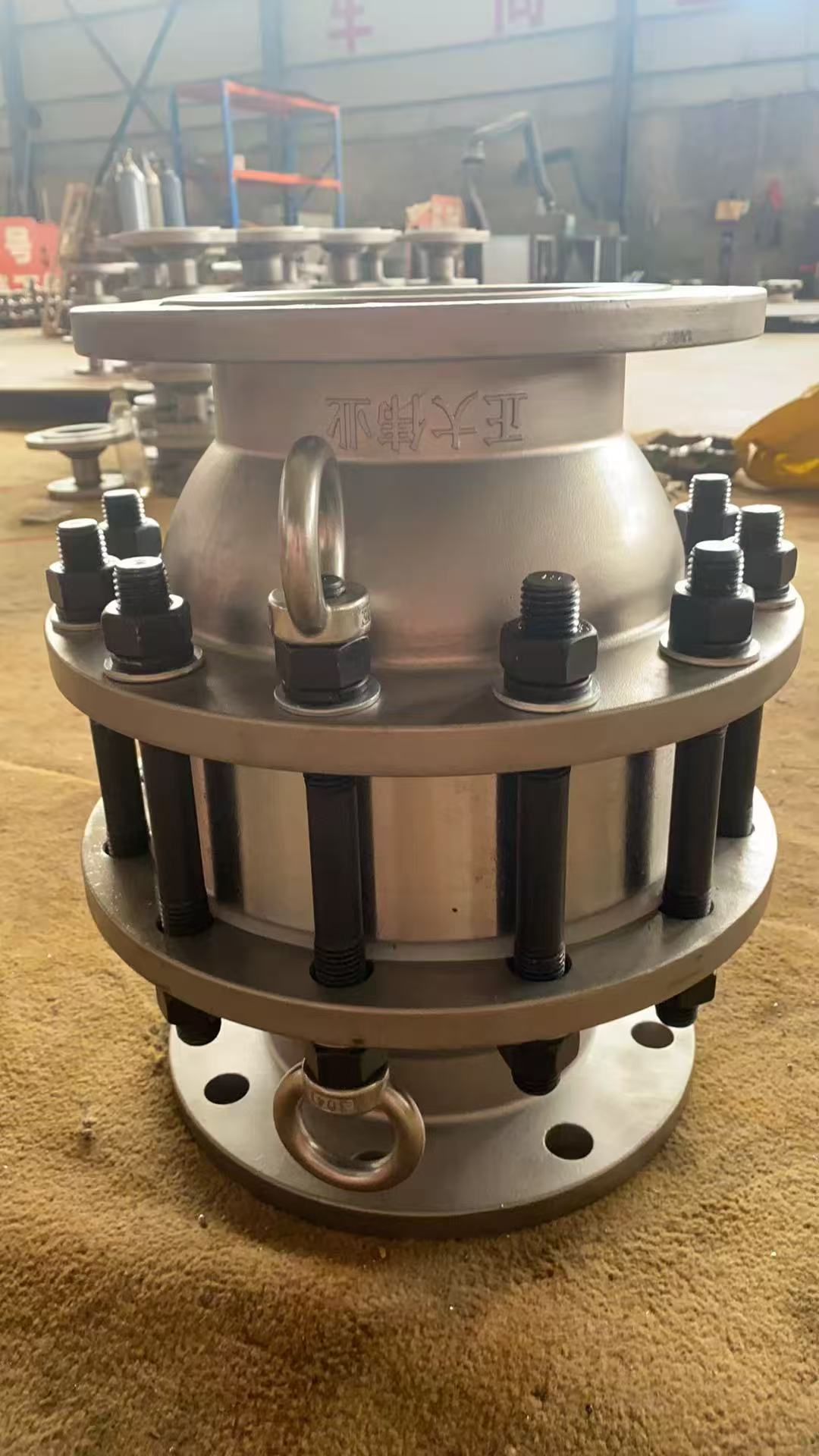
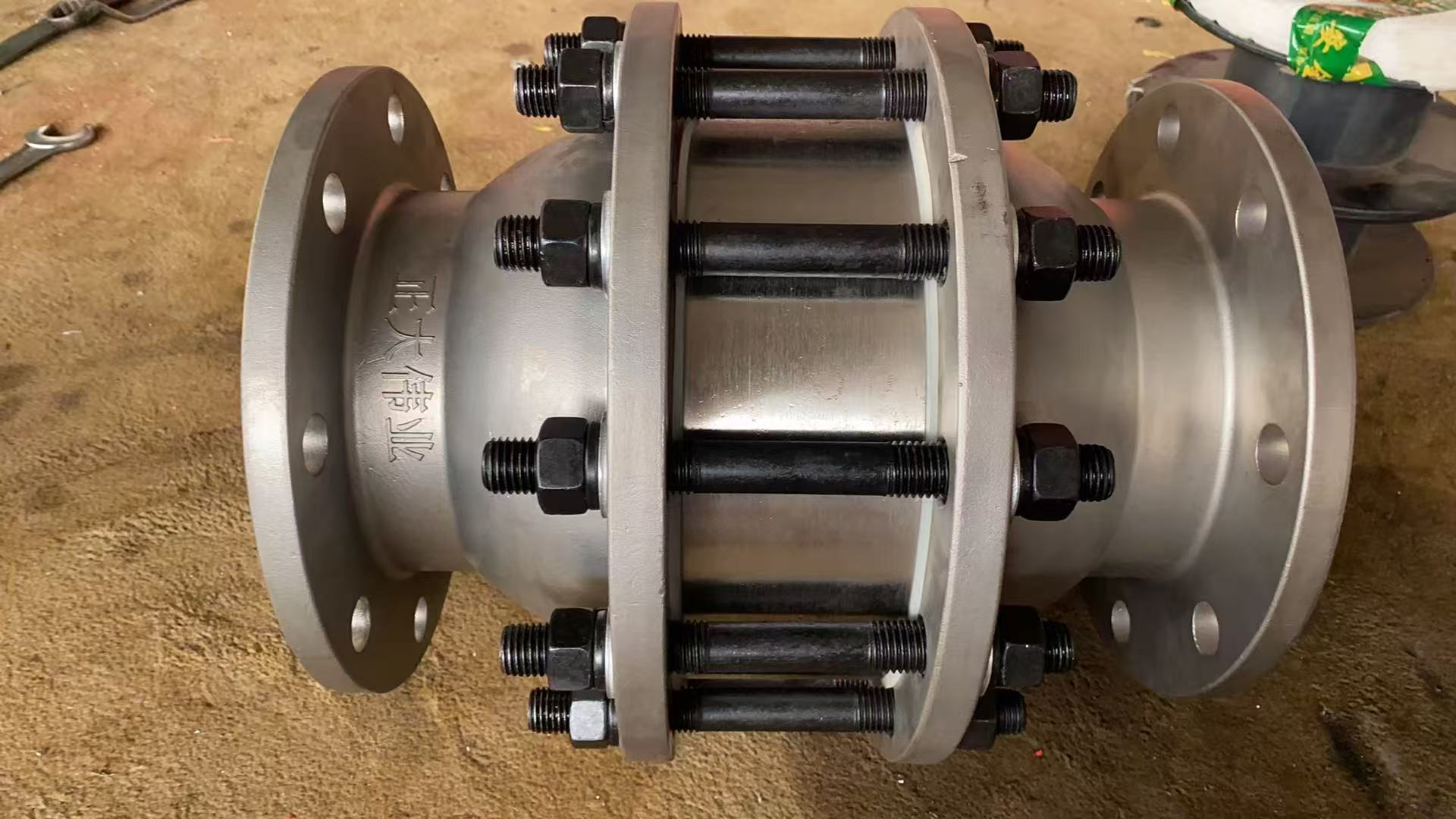
Flame Arrestor Piping
Product Model: ZD-FA06 (Biogas & Landfill Gas)
Type: End-of-Line or In-Line Deflagration Arrester
Material: Housing: Hot-Dip Galvanized Steel or Stainless Steel 316. Element: Special corrosion-resistant alloy (e.g., Hastelloy C22 coating).
Key Feature: Specially designed to handle wet, corrosive, and particulate-laden gas mixtures containing methane, CO₂, hydrogen sulfide (H₂S), and siloxanes.
Certifications: ATEX, IECEx for Group I (Mining) or II gases as applicable. Compliant with biogas plant safety standards.
Typical Use: Biogas reactor vents, landfill gas extraction wellheads, gas upgrade system inlets/outlets, biogas flare tips, and combined heat and power (CHP) engine inlet piping.
Overview
Biogas and landfill gas present unique challenges: they are humid, often saturated with corrosive hydrogen sulfide (H₂S), and can carry particulates or siloxane vapors that deposit on surfaces. Standard flame arresters can quickly corrode or foul. This specialized arrester is engineered for this harsh environment. It utilizes corrosion-resistant materials for both housing and element, and the element geometry is optimized to resist clogging from light deposits. It ensures reliable flashback protection for green energy facilities, preventing external ignition from reaching the valuable and potentially explosive gas stream.
Features & Benefits
Corrosion-Resistant Construction: Materials selected to withstand H₂S attack and moisture, ensuring long service life in aggressive biogas atmospheres.
Fouling-Resistant Element Design: Channel size and element material reduce the risk of blockage from siloxane or biological film deposits.
Suitable for Saturated Gases: Designed to handle 100% relative humidity and potential condensate carryover without performance loss.
Supports Green Energy Safety: Enables the safe utilization and flaring of renewable methane by mitigating explosion risks at key points in the process.
How It Works
The fundamental flame quenching principle remains, but the element is often coated or made from a high-grade nickel alloy to prevent sulfide stress cracking. The housing is protected against external atmospheric corrosion common in agricultural or landfill settings. For wet gas streams, the design often includes a condensate drain provision or is installed with a downstream drip leg.
Specifications (Descriptive)
Available in sizes from DN50 to DN250 for common biogas pipework. Pressure ratings are typically low-pressure (PN6/PN10) suitable for near-atmospheric biogas systems. The element material is critical, often specified as Hastelloy C-22 coated stainless steel or similar. The housing finish is hot-dip galvanized to ISO 1461 or 316 stainless steel. It is certified for Methane (Group I or IIA) and often tested with representative gas mixtures.
Q&A
Q: Why is a standard stainless steel arrester not suitable for biogas?
A: Standard 304/316 SS can suffer from pitting and stress corrosion cracking in the presence of wet H₂S, chlorides, and low pH condensates, leading to premature failure. The specialized materials in this model prevent this.
Q: How do you deal with siloxane deposits that can block the element?
A: While the design resists fouling, siloxane buildup is a operational challenge. A preventative maintenance schedule with regular inspection and cleaning is essential. In severe cases, a pre-filter (siloxane scrubber) upstream of the arrester is recommended.
Q: Should this be installed before or after the gas blower/compressor?
A: Typically, an arrester is installed after the compressor on the discharge (high-pressure) side to protect the downstream system. Another arrester may be needed at the final vent or flare tip. A hazard review will determine the exact locations.
Q: Is heat tracing ever required?
A: In cold climates, heat tracing of the arrester housing and adjacent piping may be necessary to prevent freezing of condensed water within the element, which could block flow and cause dangerous overpressure.
About ZD Safety
We support the safe growth of renewable energy. Our biogas flame arresters are engineered to perform reliably in the challenging conditions of anaerobic digestion and landfill gas recovery, protecting both your investment and personnel as you convert waste to energy.