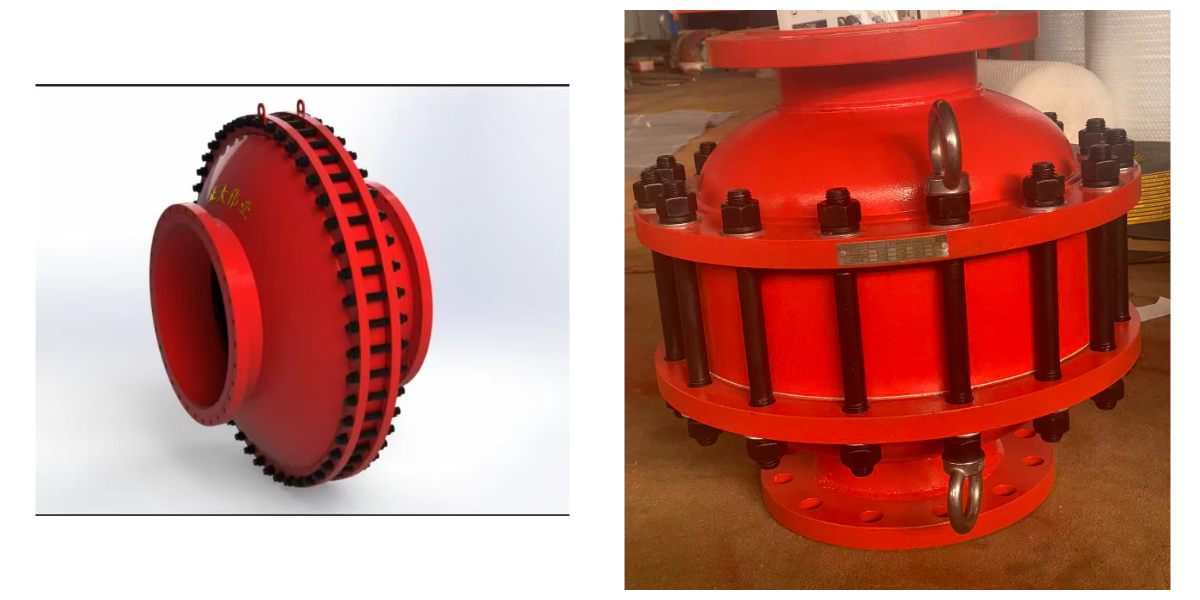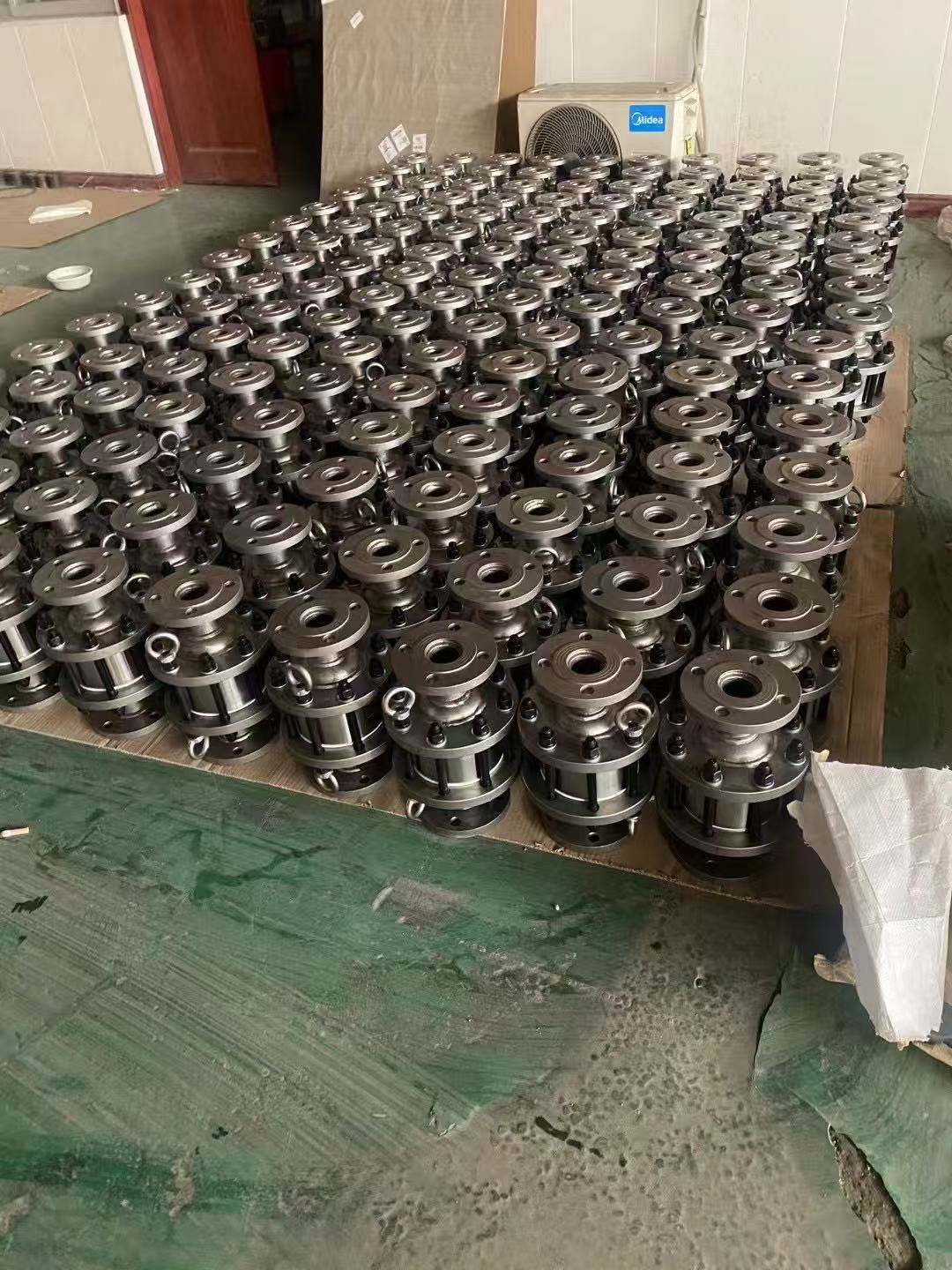
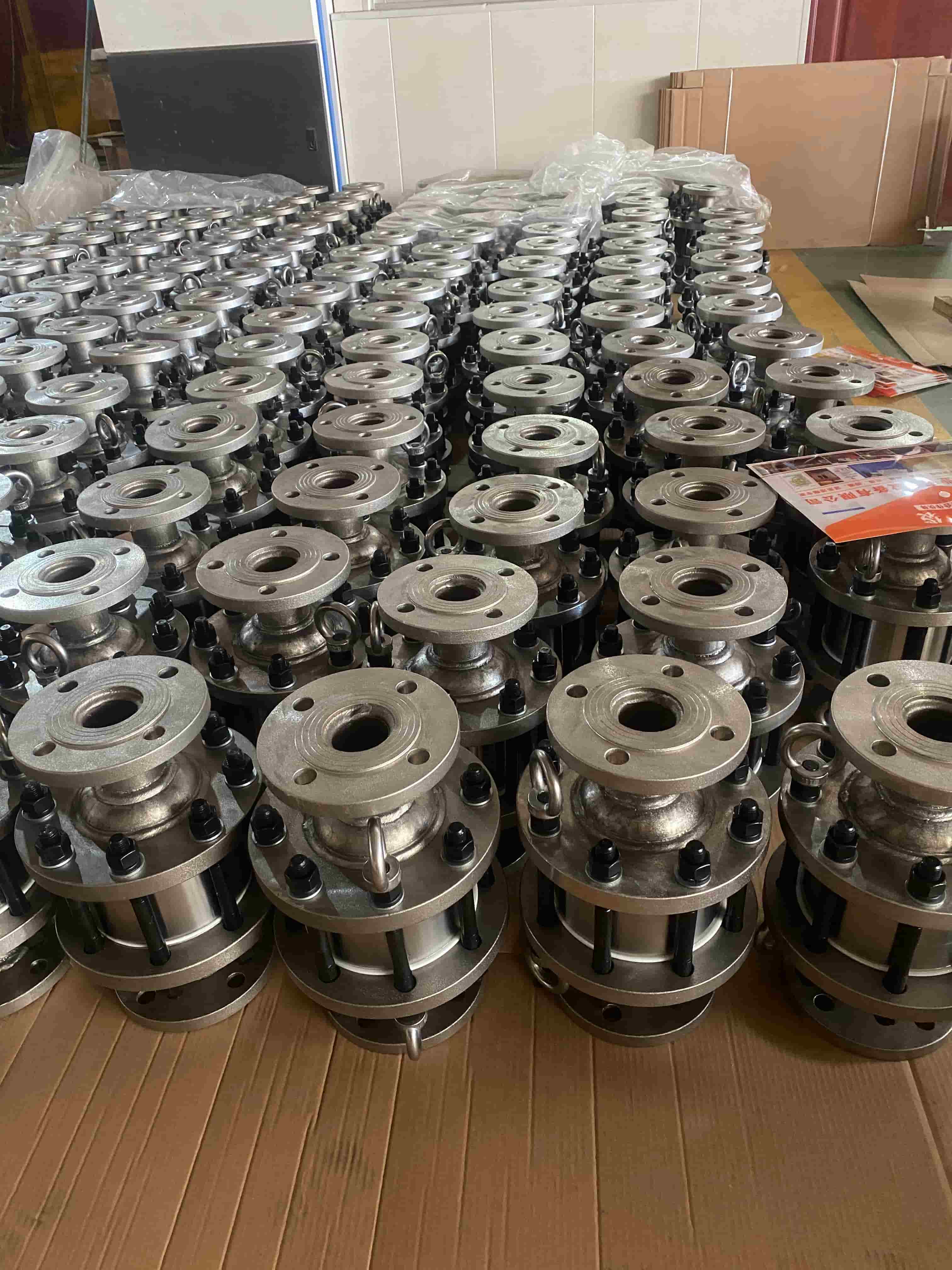
Flame Arrester Protego
Product Model: ZD-FA08 (Hydraulic Seal Type)
Type: Liquid-Sealed / Hydraulic Arrester
Material: Housing: Carbon Steel (coated) or Stainless Steel. Internal components: Stainless Steel.
Key Feature: Uses a liquid (usually water, glycol, or specialty fluid) seal as the flame quenching medium, instead of a metal element.
Principle: Flame is quenched by passing through the liquid barrier, which also acts as a visual seal and pressure check.
Typical Use: Low-pressure applications with heavy, fouling vapors (e.g., asphalt, heavy oil vents), certain chemical processes with reactive gases, and as a robust, inspectable backup device.
Overview
For services where metal element arresters are prone to rapid fouling, clogging, or corrosion from sticky, polymerizing, or highly aggressive vapors, the hydraulic flame arrester offers a robust alternative. This device uses a column of liquid (the "seal") held in a U-tube or pot arrangement as the flame barrier. Vapors bubble through the liquid, but flames are extinguished. The liquid level provides a simple visual indication of proper operation and a low positive pressure seal. It is a simple, highly reliable, and maintainable solution for challenging low-velocity vent streams.
Features & Benefits
Handles Fouling Streams: Not susceptible to plugging by tars, polymers, or solids that would block a metal matrix.
Visual Operation Indicator: The liquid level provides immediate confirmation of seal integrity and proper fluid level.
Corrosion Resistant: By choosing an appropriate sealing fluid (e.g., inhibited glycol, specialty oil), compatibility with process vapors can be achieved.
Simple Maintenance: The sealing liquid can be drained, the pot cleaned, and refilled without replacing expensive elements.
High Integrity Seal: Provides a positive liquid seal against low-pressure air ingress.
How It Works
Process vapors enter the sealed chamber and are forced to pass through the liquid seal via a dip pipe or distributor. The vapors form bubbles that rise through the liquid. If a flame front attempts to travel back, it is quenched when it contacts the liquid. The liquid absorbs the heat and physically separates the flame from the fuel source. The design ensures the liquid cannot be blown out under normal or emergency venting flow rates.
Specifications (Descriptive)
Sizes are generally for low flow rates: DN50, DN80, DN100, DN150. Design is vessel-based, not pipe-based. Operating pressure is very low, often less than 0.1 barg. Key parameters are seal leg height (determines pressure seal) and required liquid capacity. Materials are chosen based on the sealing fluid and process vapors. Options include sight glasses, level indicators, fill/drain valves, and freeze protection for water seals in cold climates.
Q&A
Q: What are the main disadvantages compared to a metal element arrester?
A: Higher pressure drop, significantly larger size/weight, limited to very low-pressure applications, and the need to monitor and maintain a fluid inventory. It is not suitable for high-velocity or large-volume venting.
Q: What liquid should be used?
A: Water is common for non-freezing applications. For freeze protection, a water/glycol mix or a specialized inert oil is used. The fluid must be non-reactive with the process vapors and non-flammable.
Q: How do you prevent the liquid from evaporating or being carried over?
A: Make-up systems (manual or automatic) are used to maintain level. Entrainment is minimized by proper design of the inlet distributor and a sufficient disengagement space above the liquid level. A demister pad can be added.
Q: Can it stop a detonation?
A: No. Hydraulic arresters are for low-pressure, low-speed deflagrations only. The liquid could be violently expelled by a detonation shock wave, rendering it ineffective.
About ZD Safety
We offer practical solutions for difficult problems. Our hydraulic flame arresters exemplify a return to fundamental principles, providing a highly dependable and serviceable option for protecting vents that would quickly disable more conventional metal-element designs.