Pilot Operated Rupture Disc System
Model: ZD-008 (Actuated Burst System)
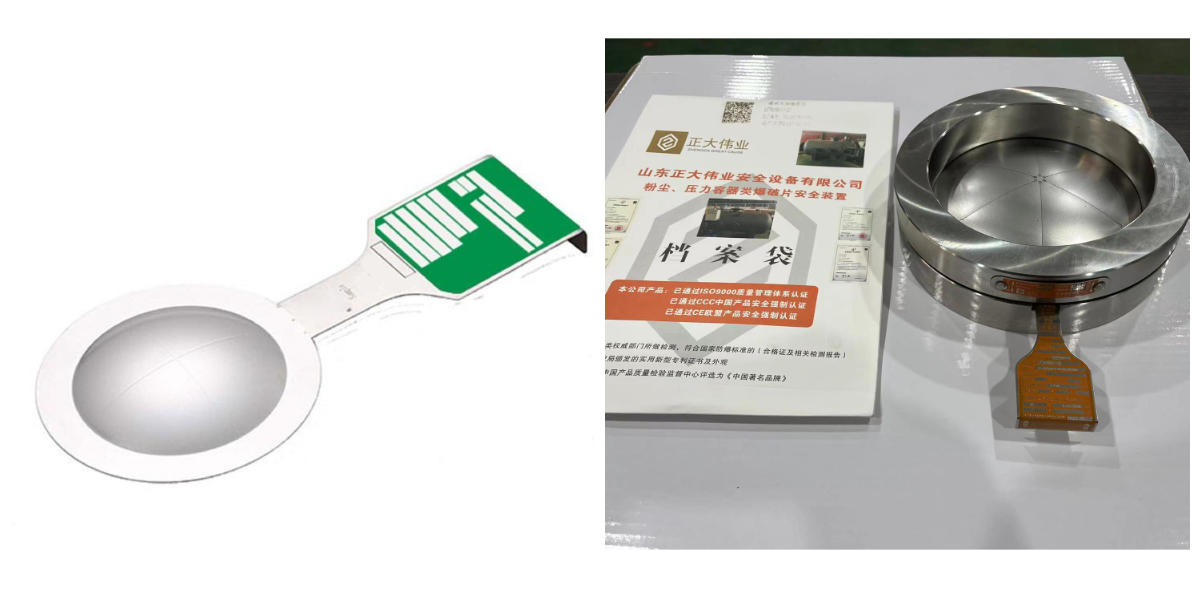
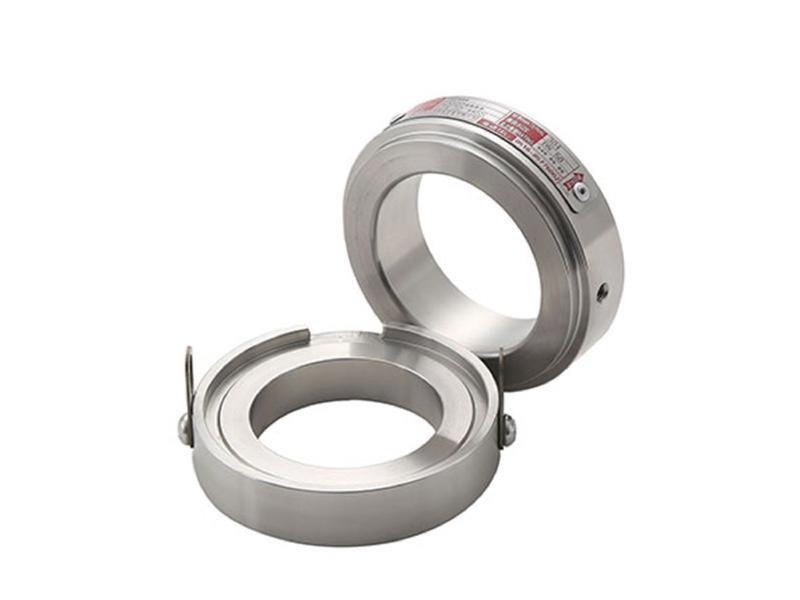
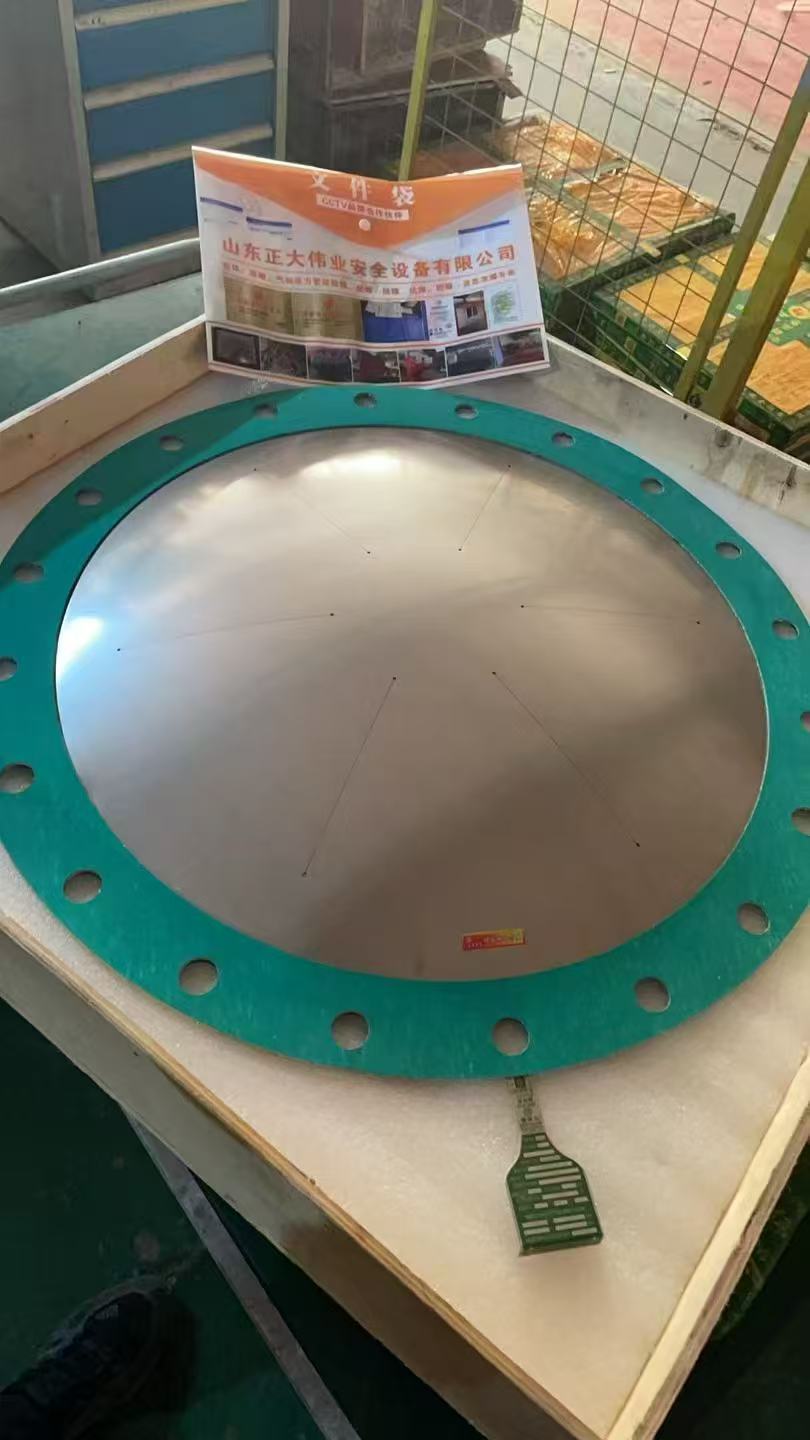
Components: Rupture Disc + Pressure Pilot Valve + Control System.
Function: Provides on-demand, remote, or sequenced pressure release.
Key Feature: Can burst at will, independent of process pressure reaching the disc rating.
Typical Use: Emergency depressurization (ESD), reactor quench systems, sequential venting, R&D setups.
Overview
Sometimes, safety or process requirements dictate that a pressure boundary must be opened at a specific moment, not when pressure naturally rises to a disc's rating. The pilot-operated system solves this. It uses a standard rupture disc as the main seal, held in place by a pilot valve controlling a secondary pressure chamber. Upon an electrical signal or pilot valve actuation, the supporting pressure is released, causing the main disc to burst instantly. This allows for remote, fast, and positive emergency isolation or venting.
Features & Benefits
Positive Action on Command: Guarantees opening when the signal is given, regardless of process conditions.
Fast System Depressurization: Provides a large, immediate opening for rapid pressure reduction.
Sequencing Capability: Multiple systems can be triggered in a specific order.
Uses Standard Discs: The main sealing element is a reliable, off-the-shelf rupture disc.
For Controlled Emergency Response
Ideal for Emergency Shutdown (ESD) systems where a reactor must be vented to a flare or quenched immediately upon detection of a runaway reaction.
How It Works
The main disc seals the process. Its upstream side is exposed to process pressure; its downstream side is a closed chamber held at a counter-pressure (often by a gas cylinder or system pressure). A pilot valve seals this chamber. When the pilot valve opens (electrically, pneumatically, or manually), the chamber pressure drops. The process pressure then instantly overcomes the disc's burst rating, causing it to rupture.
Specifications (Descriptive)
The system is built around a standard disc size (e.g., DN80 to DN300). The burst pressure of the main disc is set below the normal process pressure but is held closed by the pilot pressure. Actuation methods include: 24V DC solenoid, pneumatic signal, or manual release. Response time from signal to full opening is typically <100 ms. Systems include pressure gauges, bleed valves, and mounting frames.
Accessories / Configuration
Solenoid Pilot Valve (Explosion-proof if needed)
Nitrogen Cylinder & Regulator Package
Control Panel with Manual Override and Status Lights
Pressure Switches for System Health Monitoring
Q&A
Q: How is this different from a relief valve?
A: A relief valve opens and resets when pressure drops. This system bursts open (non-reclosing) only on command, providing a guaranteed, full-open action for emergency scenarios, not for continuous pressure regulation.
Q: What if the pilot system fails?
A: The system is designed with fail-safes. Typically, loss of holding pressure (e.g., cylinder leak) will cause the disc to burst, putting the system in a safe (vented) state. Regular testing of the pilot system is crucial.
Q: What are common applications?
A: Emergency venting of chemical reactors, rapid depressurization of gas transmission lines, initiating suppression systems in enclosed spaces, and specialized testing where a pressure boundary must be violently breached at a precise moment.
About ZD Safety
We engineer safety systems, not just components. Our pilot-operated rupture disc systems are custom-designed to provide a reliable, last-line emergency action for your most critical processes.