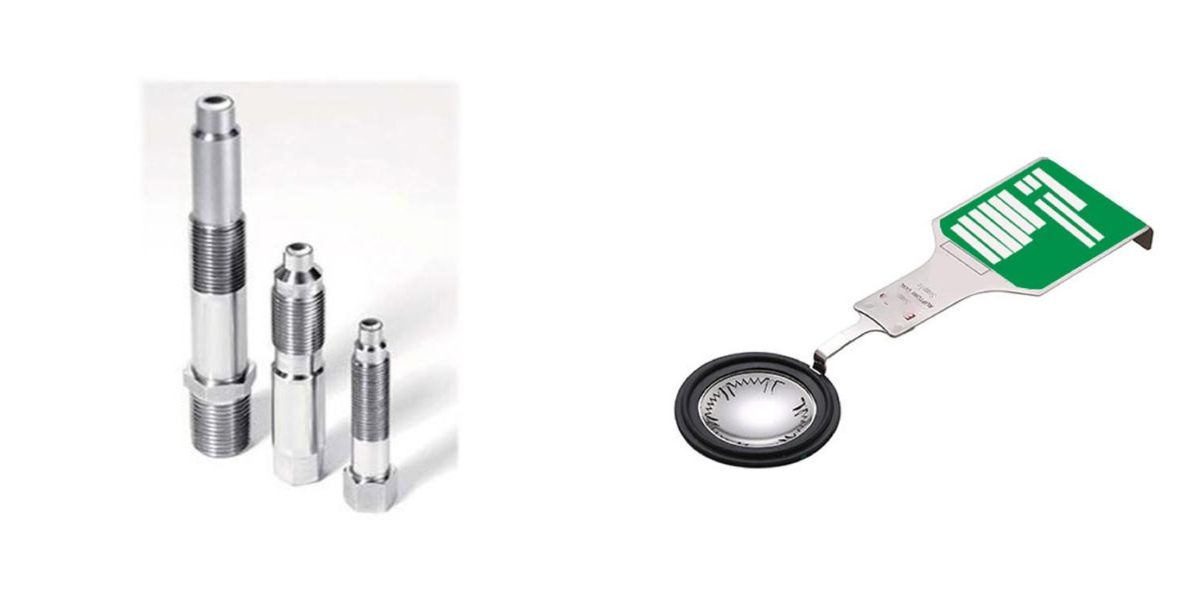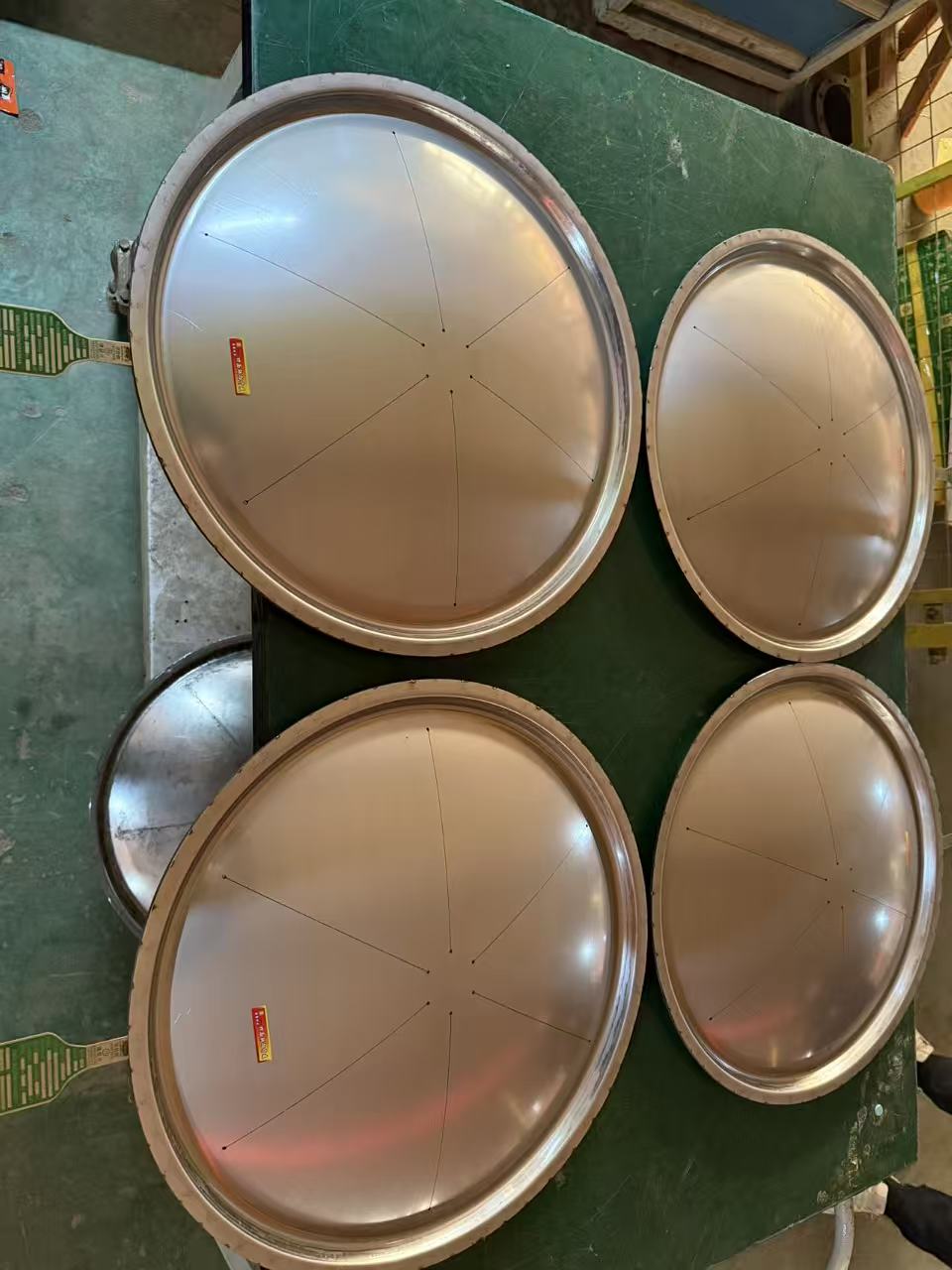
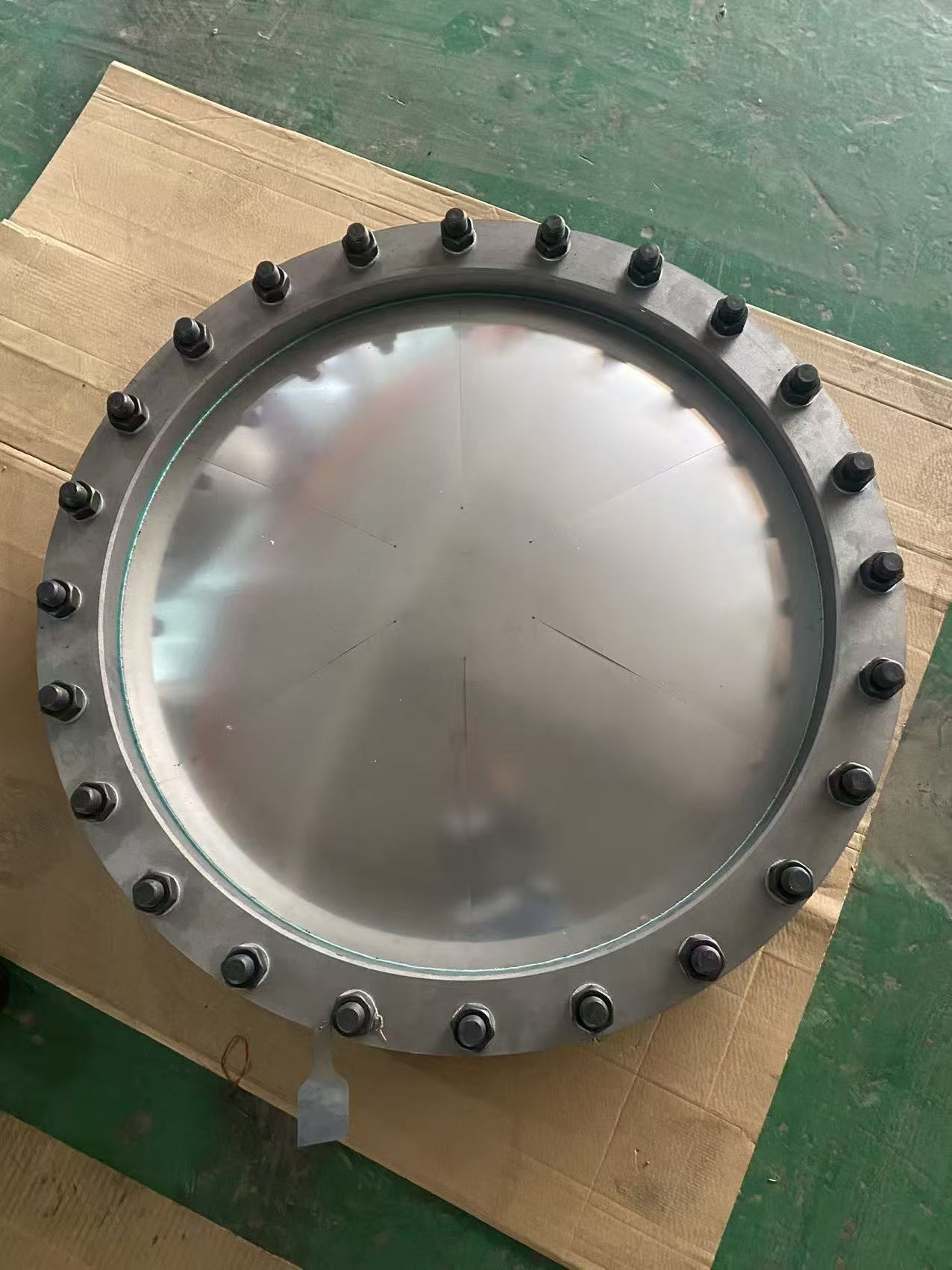
Large Diameter Rupture Disc
Model: ZD-010 (Vent Panel for Silos/Tanks)
Material: Often Aluminum, SS304, or coated carbon steel.
Size: Rectangular or circular panels from 0.2 m² to several m².
Opening Pressure: Very low, typically 0.05 to 0.5 barg.
Function: Explosion venting or emergency pressure relief for large enclosures.
Typical Use: Dust collectors, silos, baghouses, milling machines, spray dryers.
Overview
For large volumetric equipment handling combustible dusts or providing emergency pressure relief, a small pipe-sized rupture disc is insufficient. Large diameter vent panels are designed to cover substantial openings in equipment walls or roofs. They provide a weak section that opens rapidly at a very low pressure, safely venting an explosion or deflagration to a safe area, thereby preventing the destruction of the expensive vessel. They are a key component in dust explosion protection.
Features & Benefits
Large Venting Area: Provides the necessary area to vent combustion gases quickly, limiting maximum explosion pressure (Pmax).
Low Inertia, Fast Opening: Lightweight construction ensures they open at the designed low pressure with minimal delay.
Weather Resistant Options: Outdoor versions include weather guards that allow venting but block rain and wind.
Cost-Effective Vessel Protection: Preserves the structural integrity of the main vessel at a fraction of its cost.
Essential for NFPA/ATEX Compliance
A critical engineering safeguard for equipment identified as having a dust explosion hazard.
How It Works
The panel is clamped over a flanged opening on the protected equipment. Under normal conditions, it seals the opening. During an internal explosion, the rapidly rising pressure (typically >0.1 barg) overcomes the panel's strength, causing it to tear open or detach completely, creating a large opening for the expanding gases to escape.
Specifications (Descriptive)
Shapes: Square, rectangular, round. Standard sizes follow common vent duct openings (e.g., 600x600mm, 800x800mm, Ø1000mm). Opening pressures are standardized: e.g., 0.1 barg, 0.2 barg. Materials: Aluminum is common for low pressure and corrosion resistance; stainless steel for higher pressures or corrosive atmospheres; carbon steel with coating for economy. Static activation pressure is certified.
Accessories
Weatherproof Ventilation Hoods (for outdoor use)
Retaining Chains or Cables (to catch detached panels)
Explosion Detection and Isolation Triggers (for interconnected systems)
Inspection Windows
Q&A
Q: What is the difference between a vent panel and a rupture disc?
A: They serve the same fundamental purpose. "Vent panel" typically refers to large, low-pressure devices for equipment protection against explosions. "Rupture disc" often implies a smaller, higher-pressure device for pipeline or vessel overpressure relief. The technology is similar.
Q: Where should vent panels be installed?
A: On the protected equipment, as close as possible to the probable ignition source, and venting to a safe outdoor location or into a vent duct. They must not be obstructed.
Q: Do they need to be replaced after an explosion?
A: Yes, they are single-use devices. After activation, the entire panel assembly must be inspected and replaced to restore protection.
About ZD Safety
We provide complete explosion safety solutions. Our vent panels are designed and tested according to EN / ISO 14941 and other international standards to ensure they perform when milliseconds count.