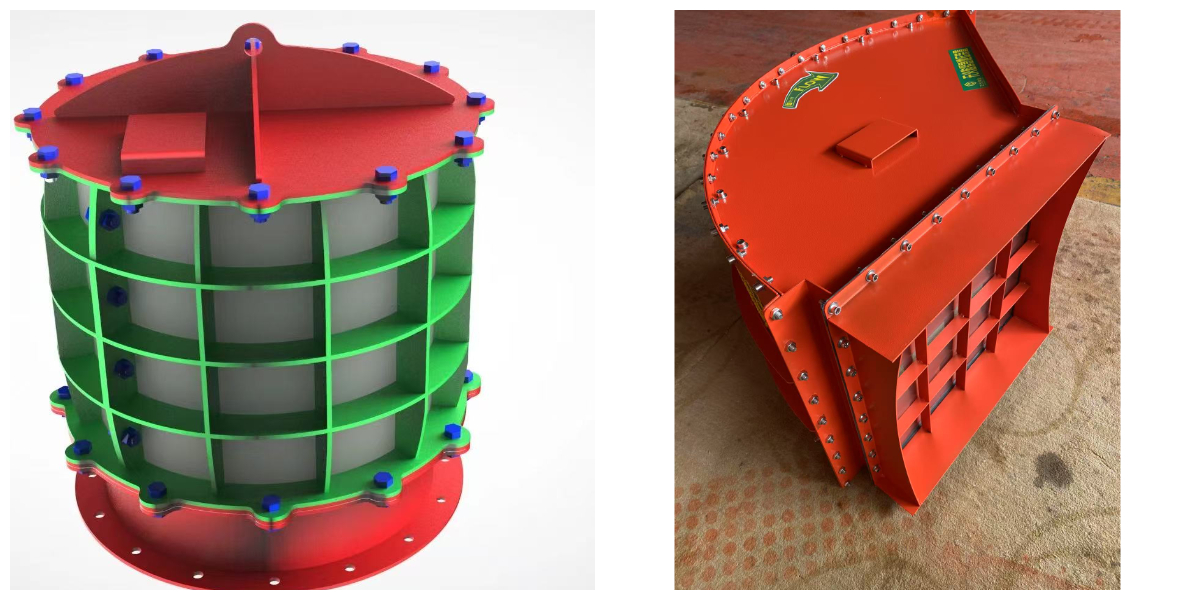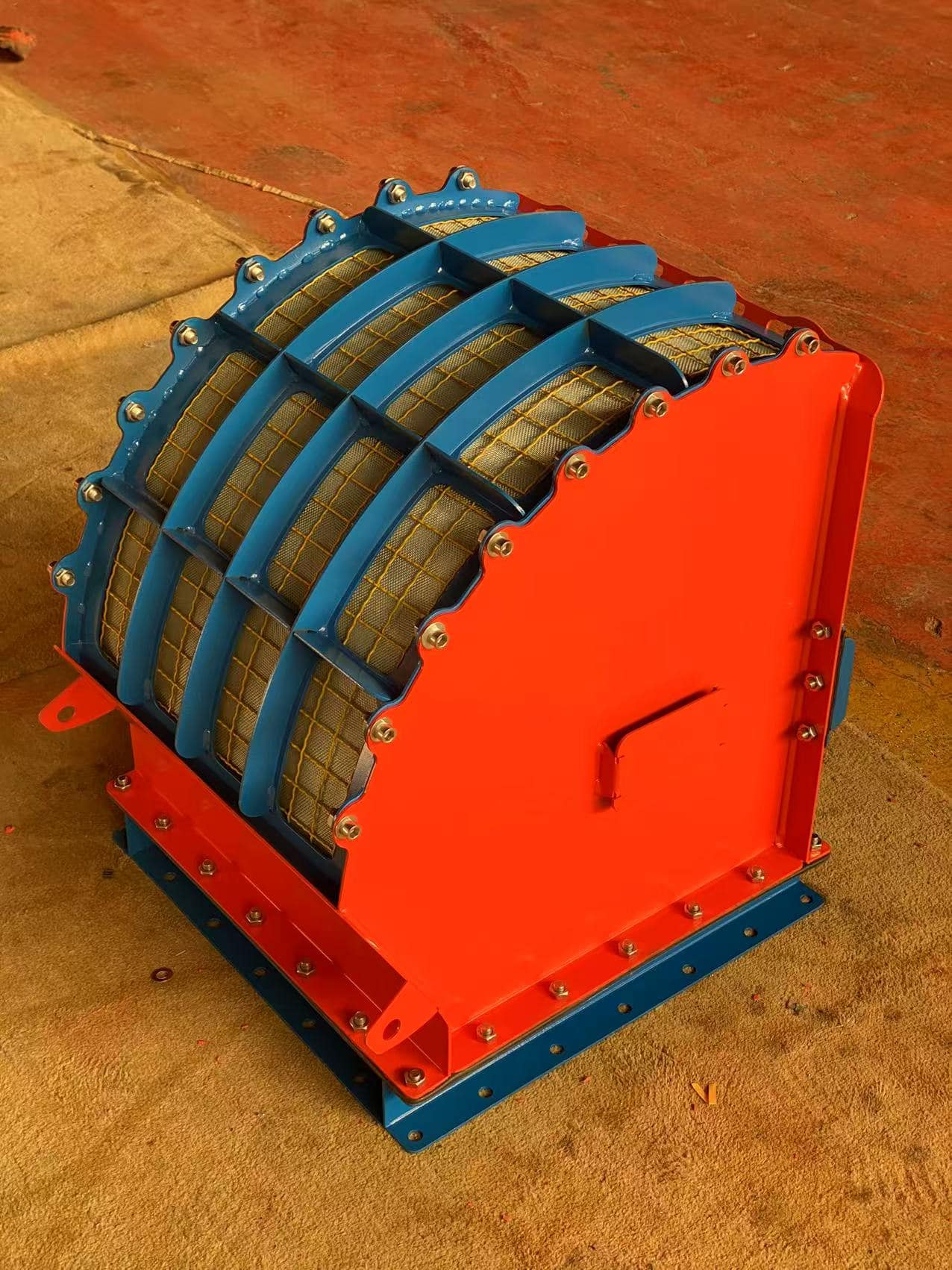
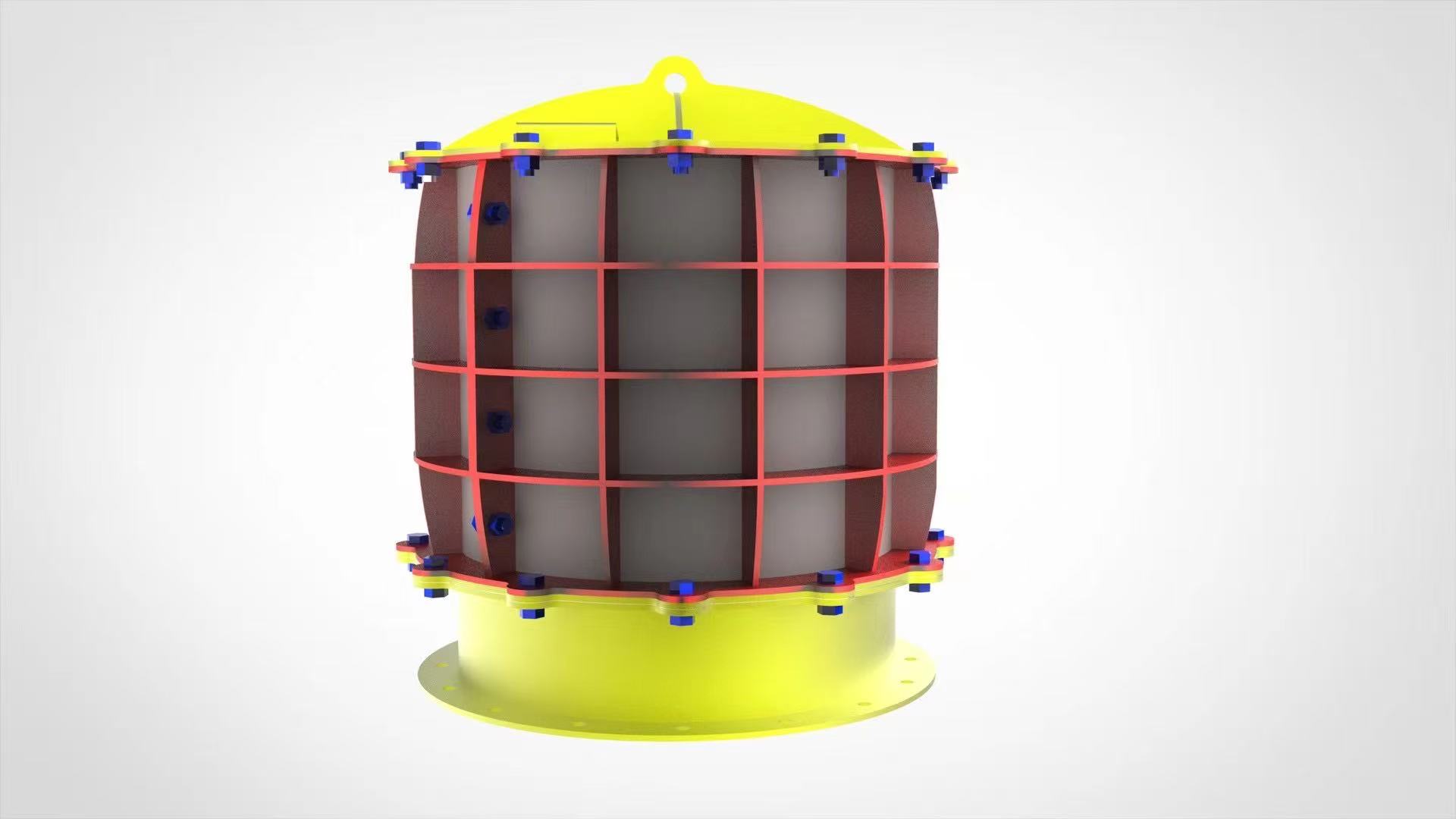
In-Line Flameless Vent
Product Model: ZD-FV30 (Compact In-Line Vent)
Type: Flameless Isolating Vent for Ductwork
Material: Compact cylindrical housing (carbon steel/stainless steel). Streamlined quenching element.
Key Feature: Designed to be installed directly into interconnecting process ducting. It acts as both a vent for the duct itself and a barrier to prevent flame propagation from one piece of equipment to another.
Overview
Explosions can propagate through ducts, turning a local event into a plant-wide disaster. The Compact In-Line Vent breaks this chain. Installed in the duct run, it provides a local venting point to relieve pressure and, more importantly, its quenching element stops any flame from passing through, effectively isolating sections of the plant from each other.
Features & Benefits
Explosion Isolation: Prevents deflagration transmission through pipes and ducts.
Space-Saving: Compact cylindrical design fits into standard ductwork without requiring large external housings.
Protects Downstream Equipment: Safeguards fans, filters, and connected vessels from an incoming explosion.
Simplified System Design: Can serve as the primary vent for the duct volume itself.
How It Works
When an explosion enters the duct and reaches the vent location, the pressure ruptures the internal burst panel. The flame front is forced to expand into the device's annular or cross-flow quenching matrix, where it is extinguished. Only cool gases and minimal solids can pass through to the other side.
Specifications (Descriptive)
Designed for duct diameters from 100mm to 500mm. Characterized by its Length (L) and Pressure Drop at operational flow rates. Selection is based on duct diameter, the explosibility of the material in the duct, and the required isolation effectiveness.
Q&A
Q: Can it handle normal product flow without clogging?
A: Yes, the internal design minimizes obstruction to normal powder or air flow. The pressure drop is specified and should be checked against system requirements. It is not suitable for handling large volumes of bulk material or slurry.
Q: How far from the potential ignition source should it be installed?
A: Installation distance is critical for effective isolation. Standards like NFPA 69 provide guidelines. The vent must be installed within a calculated maximum distance from the protected equipment (e.g., a vessel) to ensure the flame front hasn't accelerated to a destructive velocity before reaching the quenching element.