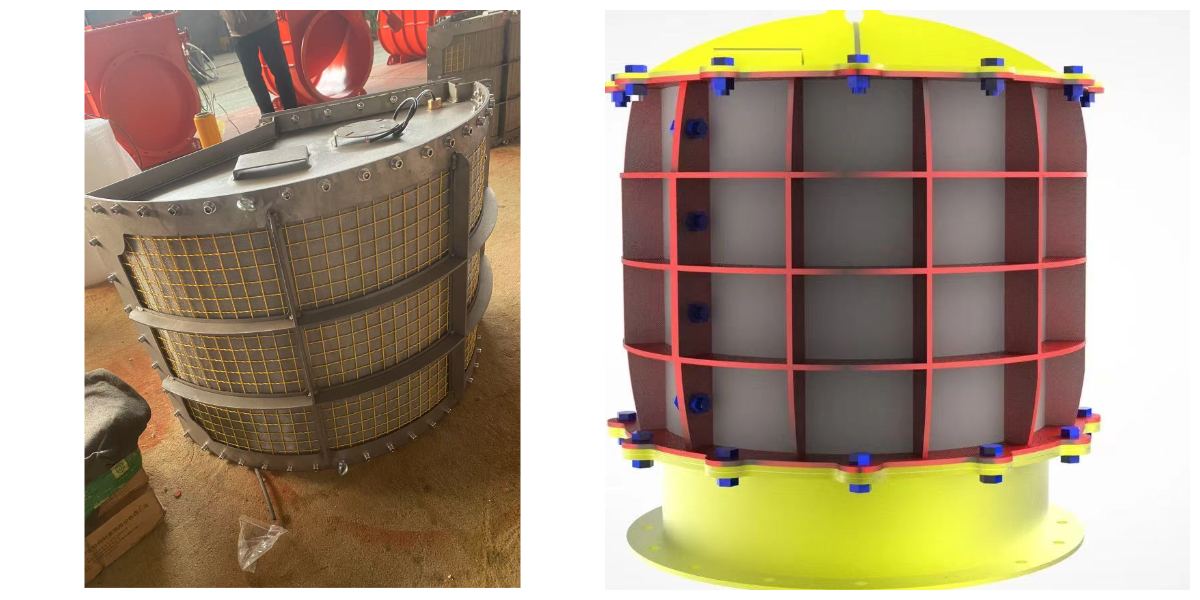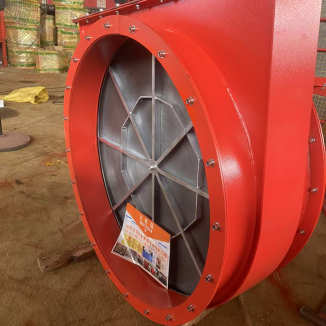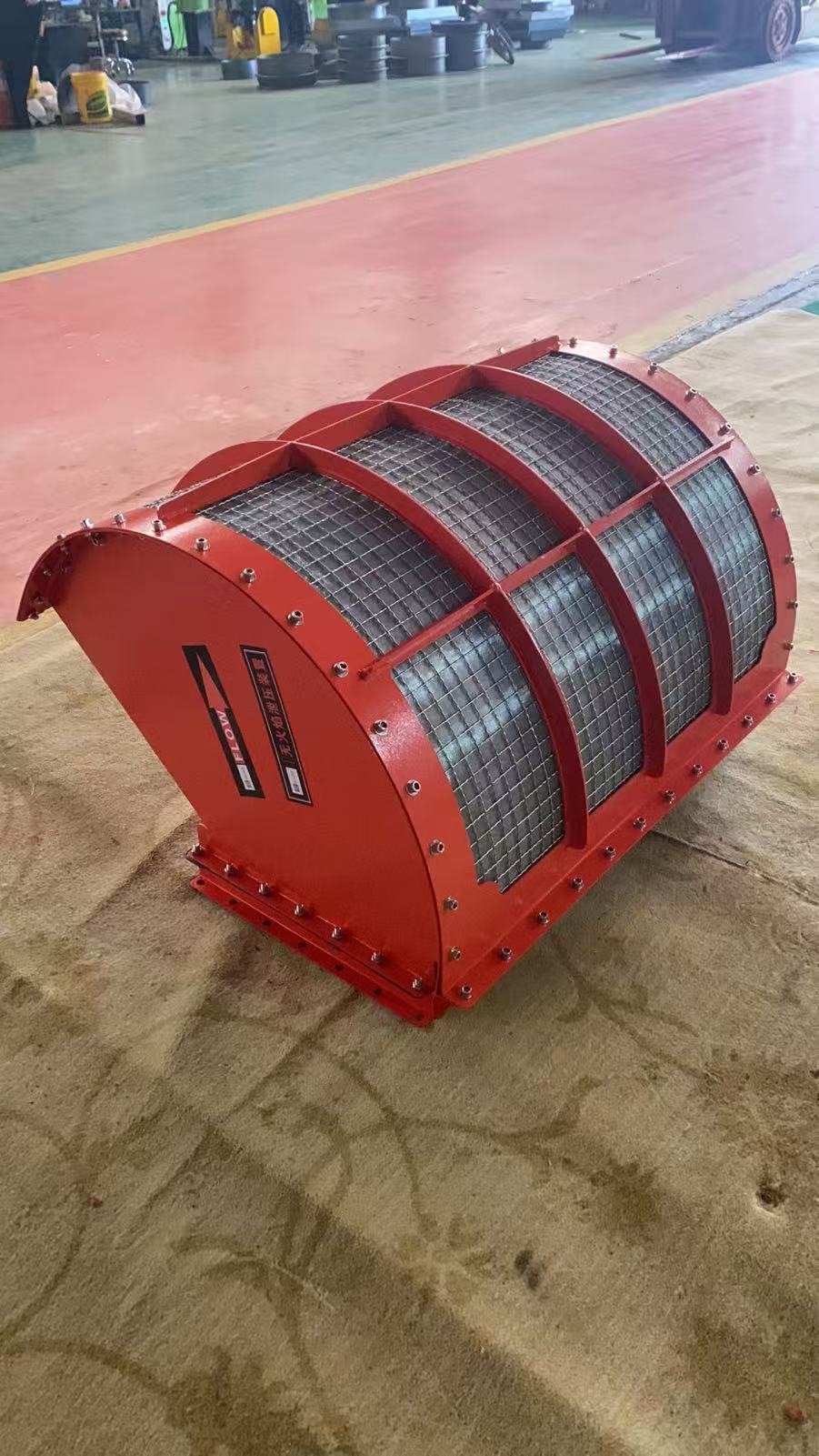
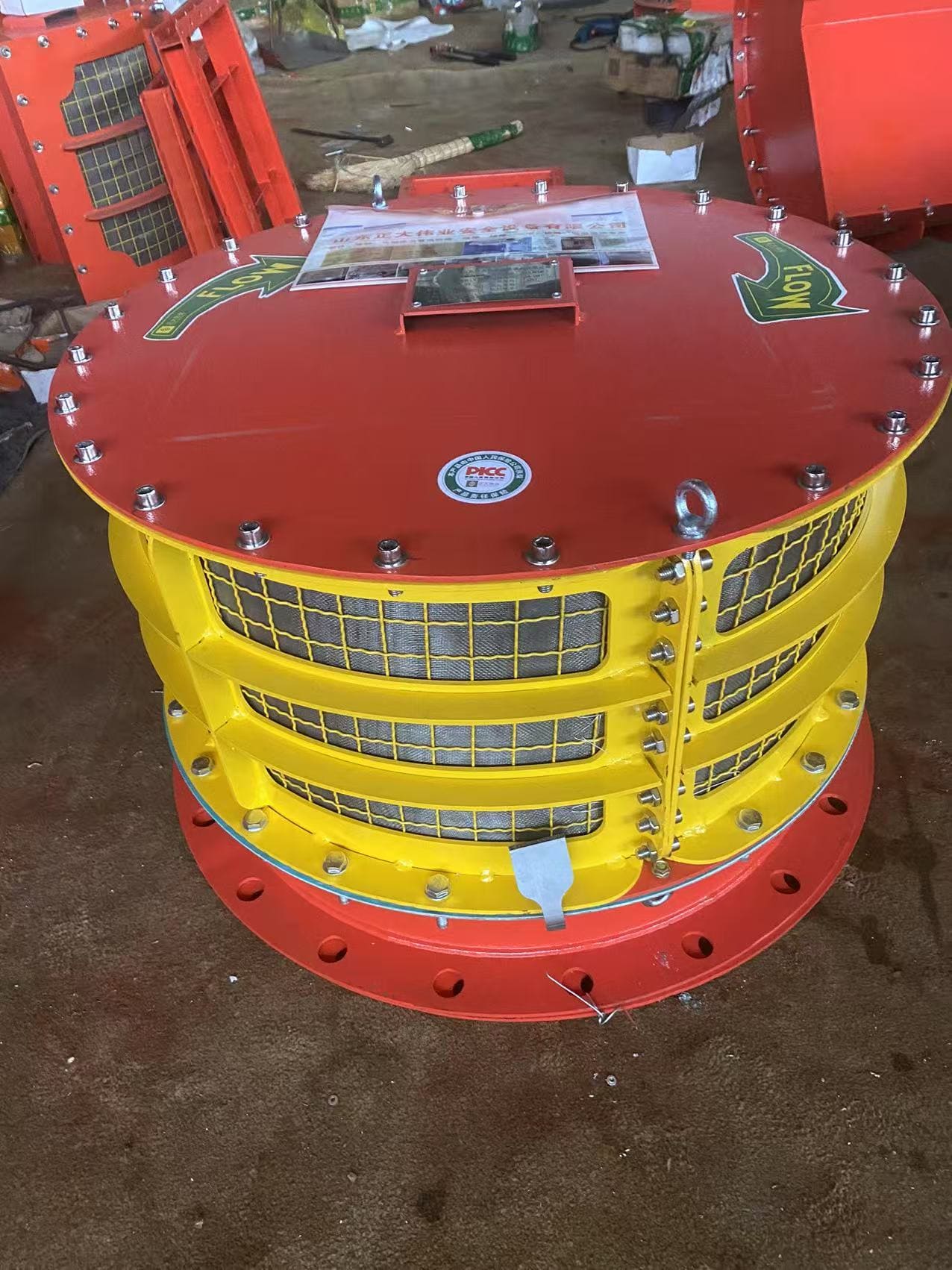
Low-Pressure Flameless Vent
Product Model: ZD-FV05 (LP Flameless Vent)
Type: Flameless Venting Device for Low-Strength Enclosures
Material: Lightweight aluminum or thin-gauge stainless housing. Ultra-lightweight burst panel (e.g., plastic foil, composite membrane).
Key Feature: Extremely low activation pressure (Pstat) to protect vessels or enclosures with very low pressure resistance (e.g., 0.1 barg). Minimizes added mass and stress on weak structures.
Overview
Not all process equipment is built like a tank. Protecting weak enclosures from explosions requires a vent that activates at a very low pressure to prevent the enclosure from rupturing first. The Low-Pressure Flameless Vent is engineered for this precise task, using minimal-mass components to provide safe, flameless venting for delicate structures.
Features & Benefits
Protects Fragile Structures: Prevents catastrophic failure of weak vessels by venting at ultra-low pressures.
Lightweight: Adds minimal load to the structure it is mounted on.
Cost-Effective Safety: Provides an engineered safety solution for equipment not originally designed as pressure vessels.
Rapid Response: The lightweight panel responds instantly to the initial pressure rise of an explosion.
How It Works
It uses a very thin, lightweight burst membrane (Pstat as low as 0.05 barg) that fails at the slightest overpressure. The expanding gases then pass through a lightweight but effective mesh matrix, which performs the flame quenching function. The entire device is designed for minimal inertia.
Specifications (Descriptive)
Defined by its very low Pstat range (e.g., 0.05 - 0.2 barg). Weight is a key specification. Sizes are often smaller, suited for the limited surface area of weaker enclosures. Selection requires precise knowledge of the enclosure's maximum allowable pressure.
Q&A
Q: Are these vents durable for industrial environments?
A: They are designed for their specific purpose. The burst panel is sensitive by design and may have a limited service life due to environmental factors like UV exposure, flexing, or abrasion. Regular inspection and preventive replacement are essential.
Q: Can they handle dust loading?
A: The quenching mesh can handle dust explosions, but the lightweight housing may not be suitable for highly abrasive streams or heavy material buildup. Application review is necessary.