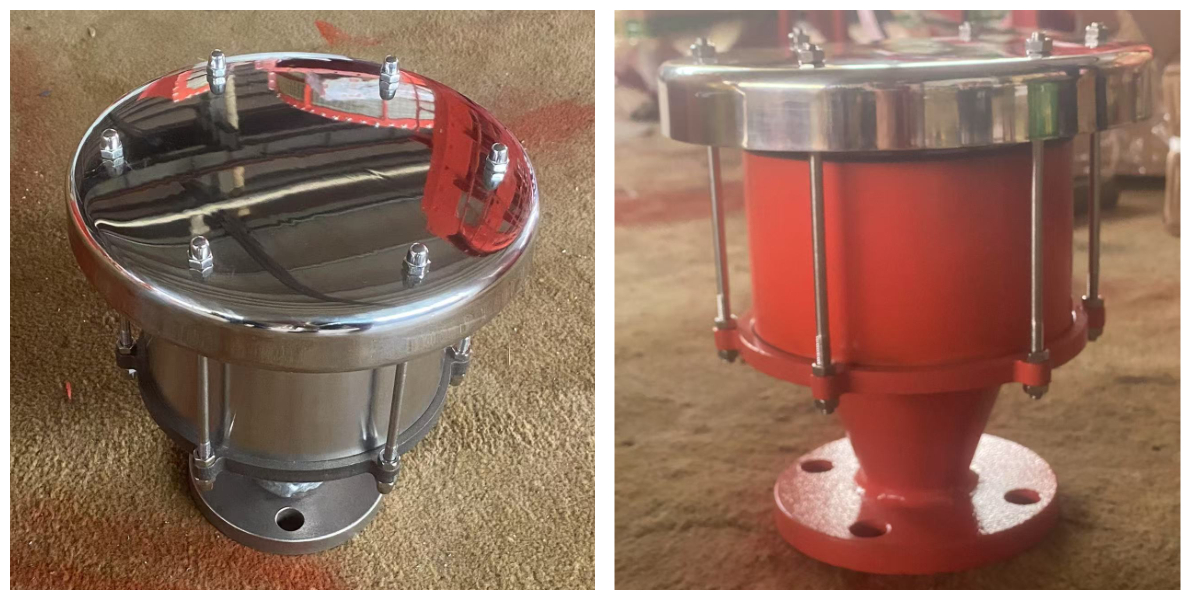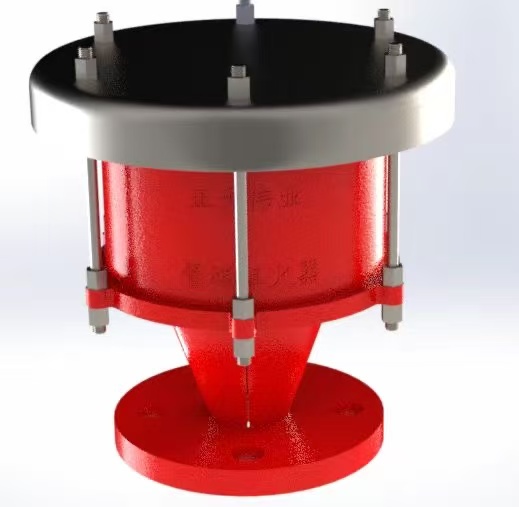
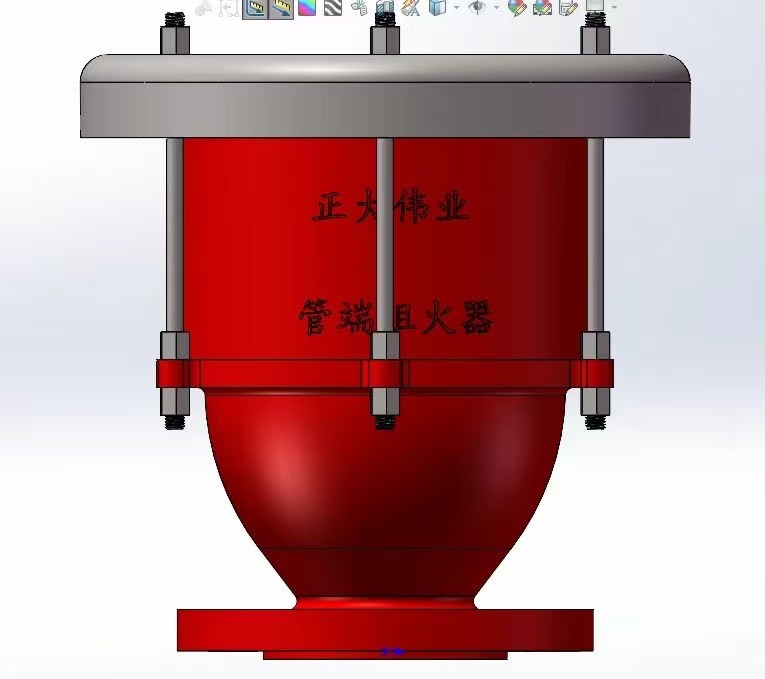
End-of-Line Velocity Flame Arrester
Product Model: ZD-FA04 (Ventrim™ Type)
Type: Velocity-type / Stabilized Burning Arrester (End-of-Line)
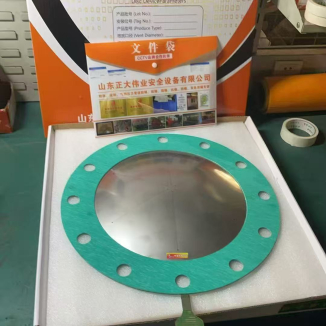
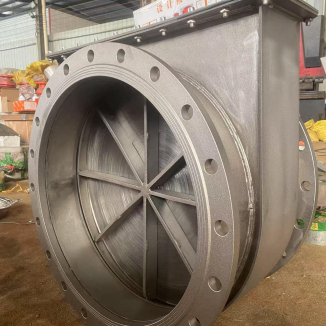
Material: Housing: Aluminum or Stainless Steel. Element: Expanded Metal Mesh or Perforated Plate.
Key Feature: Combines a pressure/vacuum conservation vent (breather valve) with a flame arrest element. Prevents flame passage while allowing normal tank breathing.
Certifications: FM, UL, ATEX. Compliant with API 2000, EN 12874.
Typical Use: Fixed roof storage tanks for crude oil, gasoline, chemicals, and other volatile liquids where both vapor conservation and fire protection are required.
Overview
This integrated device solves two problems for atmospheric storage tanks: controlling vapor emissions/losses (conservation) and preventing fire ingress (protection). It functions as a Pressure/Vacuum Relief Valve (PVRV), opening to allow vapors in/out during normal breathing caused by filling, emptying, and thermal changes. Incorporated within it is a velocity-type flame arrest element. Its design is optimized to prevent a stable flame from burning on or penetrating the element, even if the vent pallets are open during a fire exposure. It is the standard fitting for thousands of storage tanks worldwide.
Features & Benefits
Dual Functionality: Combines vapor conservation and flame arrest in one compact, cost-effective unit.
Prevents Stable Burning: The element design breaks up and cools the flame, preventing it from stabilizing and passing through.
Reduces Emissions: Conserves product vapors by only opening when necessary, compared to an always-open vent with a separate arrester.
Self-Cleaning Action: The movement of vapors through the element helps reduce fouling from waxy or heavy vapors.
How It Works
Normal Breathing: Under small pressure/vacuum changes, the weighted or spring-loaded pallets open slightly, allowing vapor flow through the integrated flame arrest element.
Emergency Venting: During rapid pressure rise (e.g., fire exposure), the pallets open fully, providing high flow capacity, still protected by the element.
Flame Arrest: If an external flame impinges on the vent opening, the element's geometry lowers the gas velocity through its openings below the flame speed, quenching it. It also absorbs heat, preventing propagation.
Specifications (Descriptive)
Standard sizes: 2", 3", 4", 6", 8" NPS and corresponding DN sizes. Key settings are the pressure setting (e.g., +0.5 oz/in²) and vacuum setting (e.g., -0.5 oz/in²). Flow capacity is certified per API 2000. The flame arrest element is rated for group compatibility (e.g., IIA, IIB hydrocarbons). Materials: Aluminum for general service, Stainless Steel for corrosion. Options include weather guards and manhole covers.
Q&A
Q: How is this different from a standard end-of-line arrester?
A: A standard end-of-line arrester (ZD-FA01) is typically an open vent with an arrestor element, allowing continuous vapor exchange. This integrated type is a valve that remains closed until a set pressure/vacuum is reached, conserving vapors. It includes the arrestor within the valve body.
Q: Can it handle emergency venting from a tank fire?
A: Yes, that is a primary design function. During a fire engulfment, the internal pressure rises quickly, causing the vent pallets to open fully. The integrated arrester element must be sized to handle this high emergency vapor generation rate while still preventing flashback.
Q: What maintenance is required?
A: Regular inspection (quarterly) for proper operation, freedom of movement of the pallets, and cleanliness of the flame arrest element. The element should be cleaned or replaced if fouled. The settings should be checked annually.
Q: Is it suitable for all liquids?
A: Material compatibility must be checked. Aluminum is not suitable for certain chemicals. For highly corrosive vapors or where product purity is essential, stainless steel construction is required.
About ZD Safety
Our integrated flame arrestor vents represent a smart, efficient approach to tank safety and environmental compliance. They protect your assets from fire while also helping to manage operational costs and emissions, embodying our commitment to holistic safety solutions.