Power Industry
In the power industry, bursting discs, flame arresters, and explosion isolation valves are critical safety devices for safeguarding power generation, transmission, and environmental protection facilities. They primarily address three major risks in power plants: high-pressure gas leakage, combustible dust explosions, and flashback in flammable gas pipelines.
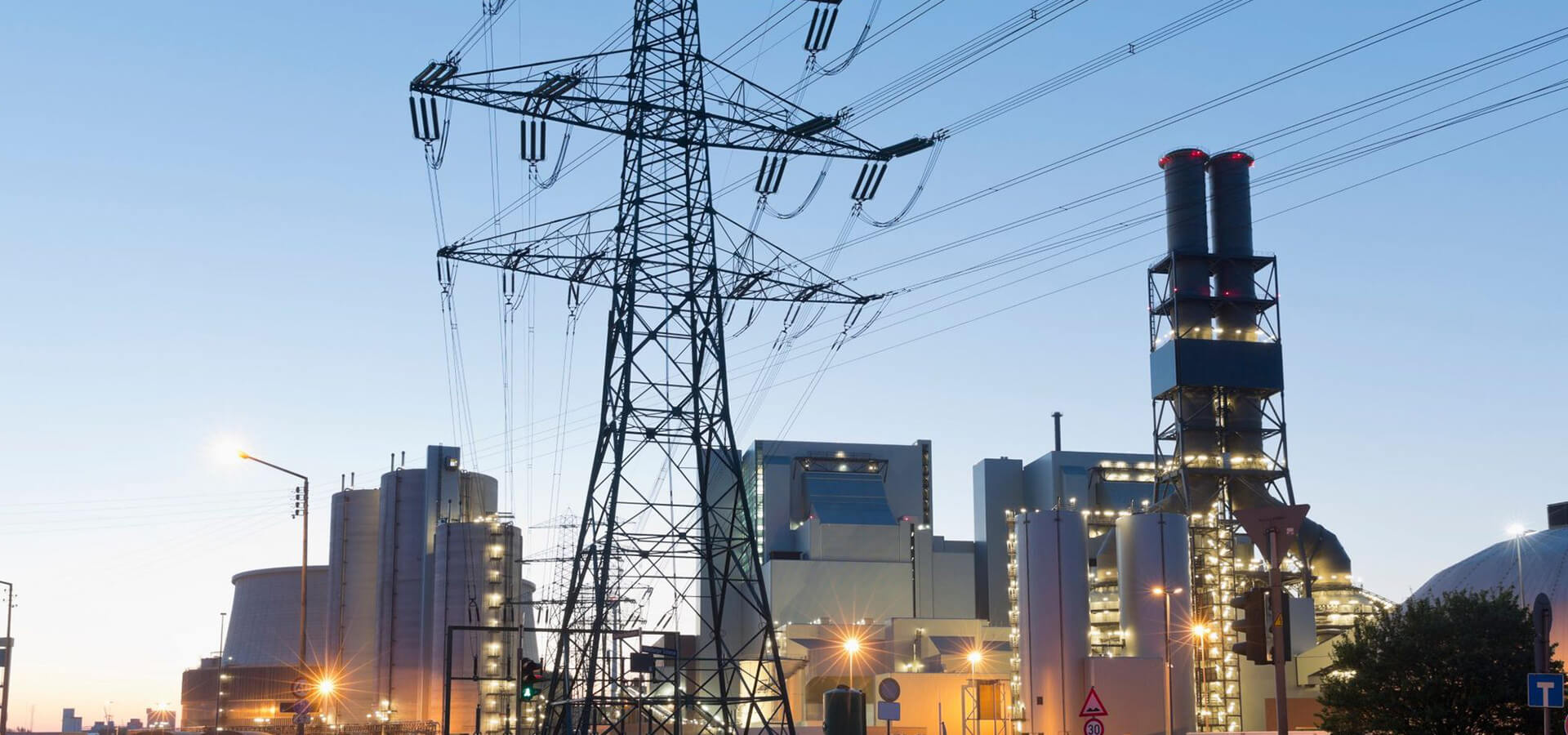
Analysis of Specific Application Scenarios
Bursting Discs: The Last Line of Defense for Pressure Boundaries in Power Plants
The power industry inherently involves high-temperature and high-pressure environments, making bursting discs an essential pressure relief protection device.
Core Value: Compared to safety valves, they feature faster activation, better sealing, and larger relief areas. In cases involving corrosive media or where zero leakage is required, bursting discs are a more reliable choice.
Typical Case: In ammonia systems used for denitrification processes, or hydrogen systems for generator cooling, any leak can easily lead to an explosion. Bursting discs provide emergency relief when pipelines or vessels become overpressurized, preventing catastrophic accidents.
Flame Arresters: The "Goalkeeper" for Flammable Gas Pipeline Networks
Flame arresters are passive safety devices that prevent the spread of fires within piping systems.
Core Function: They allow gas to pass through but prevent the transmission of flames, whether at subsonic or sonic speeds. This is critical in power plants handling fuels like hydrogen and natural gas.
Application Scenarios: Widely used in fuel supply systems, flare discharge systems, and various recovery systems where explosive atmospheres may form.
Explosion Isolation Valves: The Key "Check Valves" for Dust Explosion Protection
Coal-fired and biomass power plants face dust explosion risks in their production and environmental protection processes (e.g., dust collectors).
Working Principle: During normal operation, the valve is held open by the airflow. When an explosion occurs inside the dust collector, the resulting shockwave instantaneously closes the valve disc and mechanically locks it, thereby isolating the explosion to a localized area.
Importance: Isolation and venting (via bursting discs) are often used together. A bursting disc alone can relieve pressure but cannot stop flame propagation; an explosion isolation valve effectively prevents secondary explosions.
💡 Safety Focus for Different Power Generation Processes
The power industry is diverse, with different processes emphasizing different safety devices:
Coal-fired/Biomass Power Generation: The core safety focus is dust explosion protection. Key areas include coal handling and pulverizing systems, dust collectors, and fuel storage silos. Combined solutions using explosion isolation valves and bursting discs (flameless venting) are common.
Nuclear Power: Safety requirements are paramount. Bursting discs, flame arresters, and other devices are used in primary loop auxiliary systems, chemical hydrogen production, waste gas treatment, etc., and the equipment must meet nuclear-grade standards.
Gas-fired Power Generation & Plant Utility Systems: The core safety focus is flammable gas explosion prevention. In locations like natural gas/hydrogen pressure regulation stations, fuel supply lines, and flares, flame arresters are indispensable.
In summary, these three types of equipment collectively form the passive safety protection network for the power industry against pressure, flame, and dust explosion hazards. Selection must be specifically designed based on the specific medium (hydrogen/ammonia/coal dust), pressure, pipe size, and regulatory standards (such as NFPA, ATEX).
If you can specify the power generation process you are interested in (for example, the dust collection system of a coal-fired power plant or the gas supply system of a gas-fired power plant), I can provide a more targeted safety equipment configuration analysis.