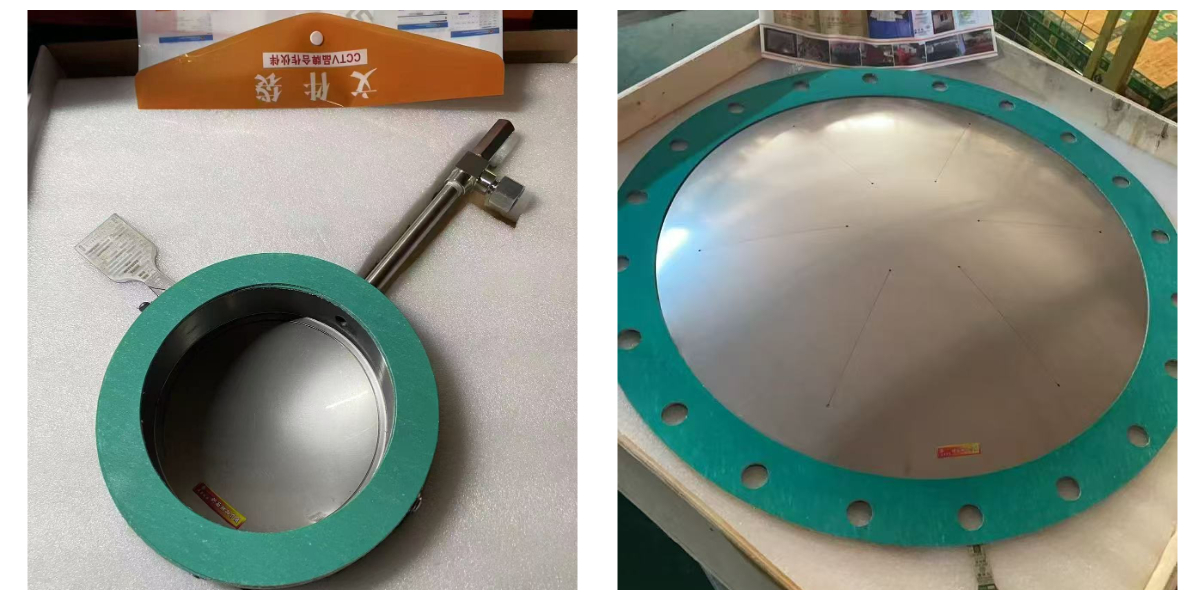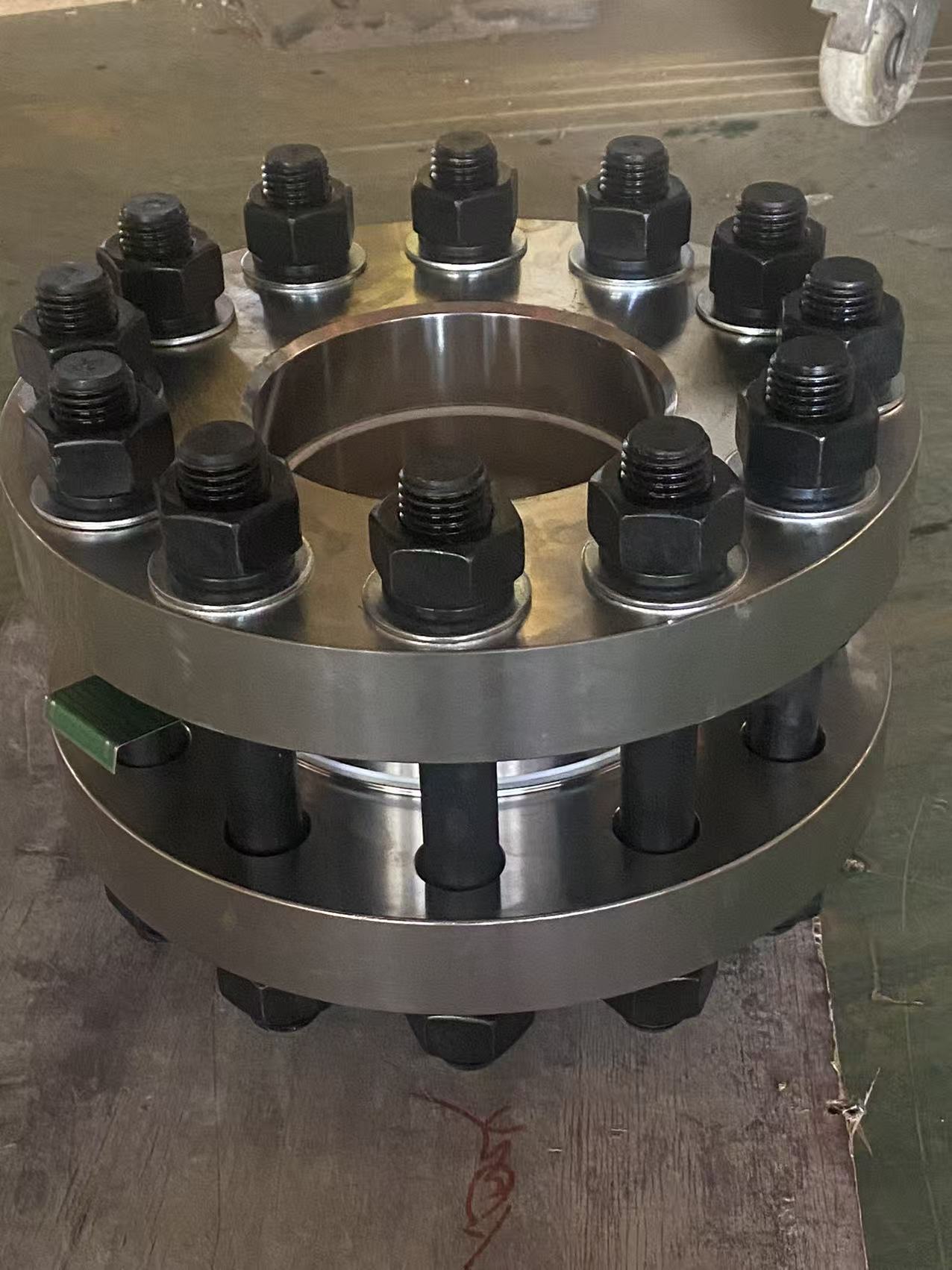
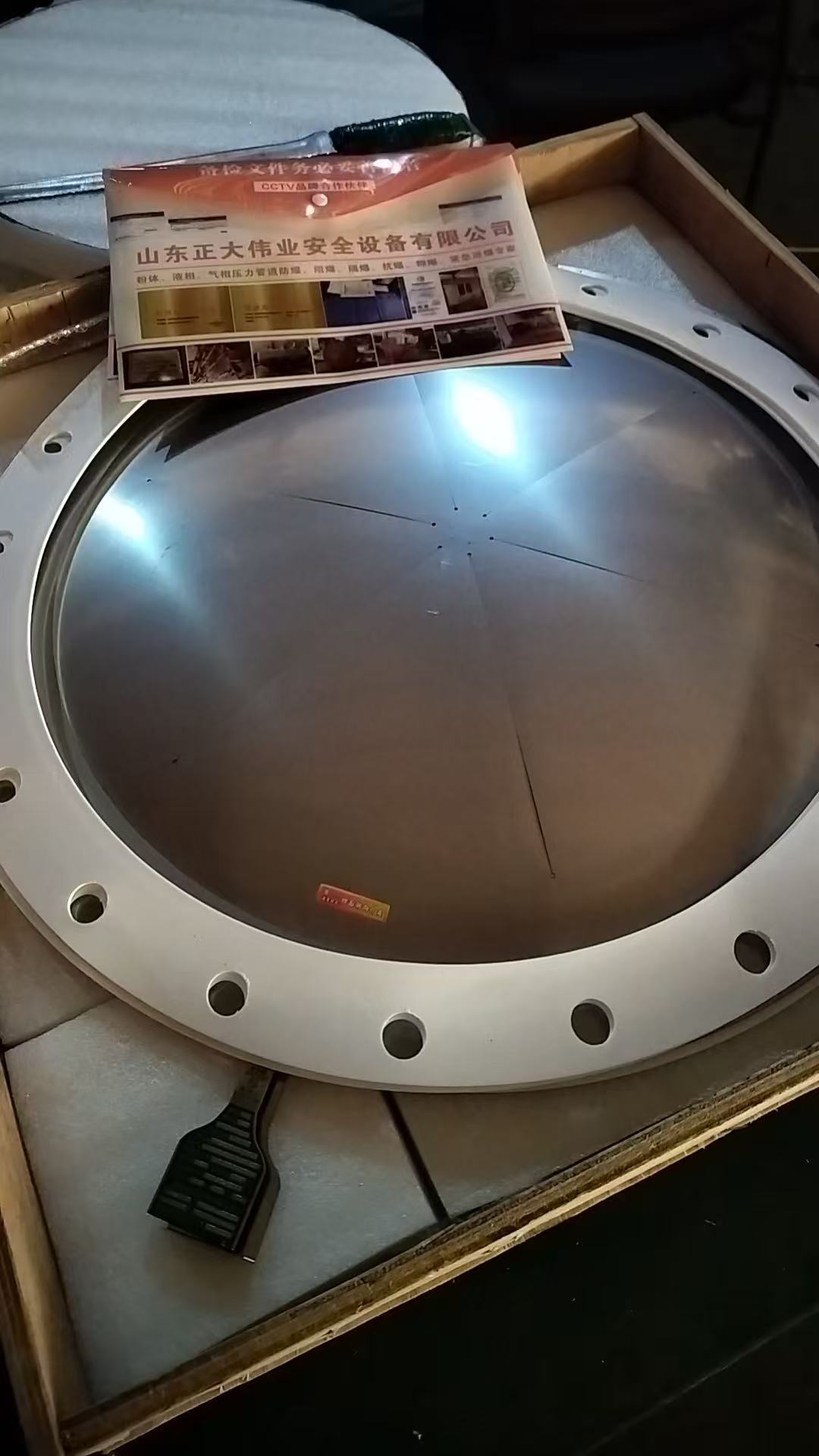
High Accuracy Rupture Disc
Product Model: ZD-021 (Hydrogen Embrittlement Resistant)
Material: Specially selected austenitic stainless steel (e.g., 316L) or nickel alloys with proven resistance to hydrogen embrittlement.
Key Feature: Design and materials mitigate the risks of hydrogen adsorption and embrittlement, which can lower burst pressure and cause premature failure.
Pressure Range: 10 barg to 100+ barg, suitable for hydrogen compression, storage, and fueling stations.
Typical Use: Hydrogen compressors, high-pressure storage vessels, fuel cell system testing, and hydrogenation reactor safety.
Overview
The transition to a hydrogen economy requires safety devices that can reliably perform in high-pressure hydrogen environments. Hydrogen molecules can diffuse into metals, causing embrittlement—a loss of ductility that can lead to catastrophic, unpredictable failure. Our forward-acting rupture disc for hydrogen service uses materials with a stable austenitic structure and is processed to minimize susceptibility to this effect. This ensures the disc maintains its certified burst pressure and mechanical integrity throughout its service life, providing trustworthy protection for critical hydrogen infrastructure.
Features & Benefits
Embrittlement-Resistant Materials: Alloys are chosen based on published data and testing for hydrogen compatibility, ensuring long-term performance.
High-Pressure Design: Engineered for the robust pressures encountered in hydrogen compression, storage, and dispensing systems.
Leak-Before-Burst Consideration: Design philosophy prioritizes maintaining a leak-tight seal up to the precise moment of burst, critical for flammable hydrogen.
Compliance with Emerging Standards: Designed to meet the intent of evolving standards for hydrogen equipment (e.g., ISO 19880, SAE J2579).
How It Works
The disc operates on the standard tensile rupture principle. The critical engineering focus is on material science and the prevention of sub-critical crack growth under the influence of pressurized hydrogen. The disc is designed and manufactured to deliver a predictable, accurate burst even after prolonged exposure to high-pressure H₂.
Specifications (Descriptive)
Sizes range from DN25 to DN100 for typical high-pressure tube and pipeline applications. Burst pressures align with common system designs: e.g., 350 barg for Type IV storage, 700+ barg for compressor discharge protection. Materials may include 316L subjected to a specific heat treatment or specialized grades like Alloy 625 (Inconel). Holders are typically stainless steel with controlled hardness to avoid galvanic and embrittlement issues. Each disc is supplied with full material traceability and hydrogen service suitability statement.
Q&A
Q: Why can't a standard stainless steel disc be used for hydrogen?
A: Standard grades may be susceptible to hydrogen embrittlement, especially at high pressures. This can cause a drastic reduction in fracture toughness, leading to failure at pressures far below the rated burst pressure, creating a severe safety hazard.
Q: How do you test for hydrogen compatibility?
A: While full-scale long-term testing in hydrogen is complex, material selection is based on established industry research (e.g., NACE MR0175/ISO 15156 considerations for H₂S service, which has parallels). Components can also be subjected to sustained load testing in hydrogen environments as part of validation.
Q: What about compatibility with hydrogen purity grades?
A: The selected materials (e.g., 316L, Alloy 625) are suitable for contact with high-purity hydrogen and will not introduce contaminants that could poison fuel cells or catalysts.
About ZD Safety
As industries embrace hydrogen, safety must lead the way. Our dedicated hydrogen service products are developed with a deep understanding of the unique material challenges involved, providing a foundational safety component for the clean energy infrastructure of tomorrow.