High-Pressure Flat Rupture Disc
Product Model: ZD-FL06 (High-Pressure Flat, Scored)
Material: High-strength alloys such as 17-7PH Stainless Steel, Inconel 600, or Hastelloy C276.
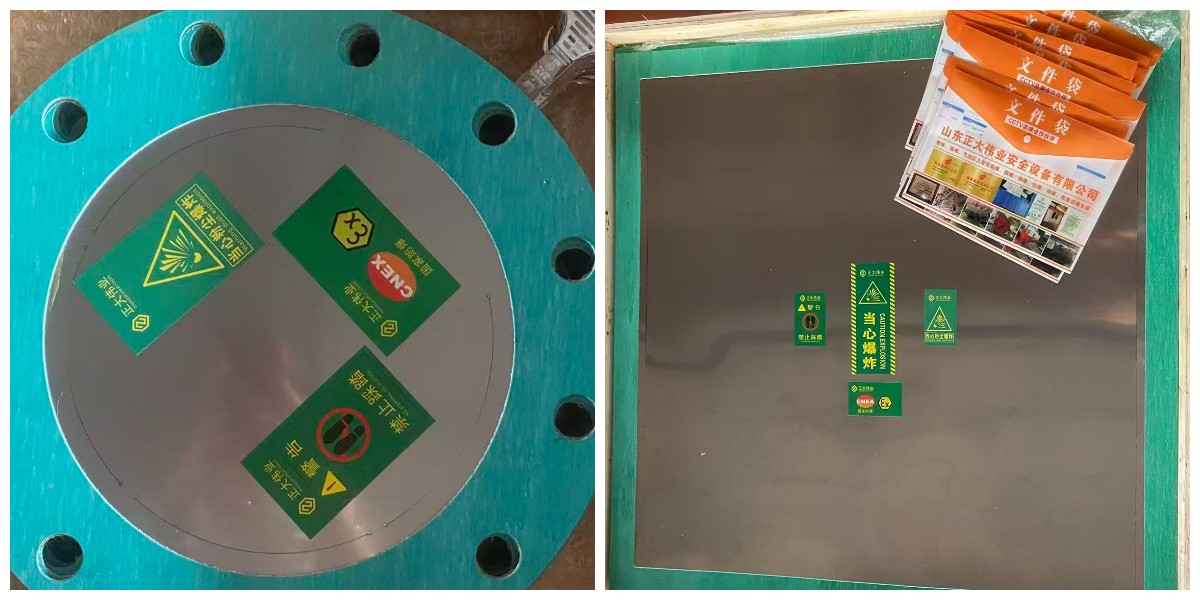
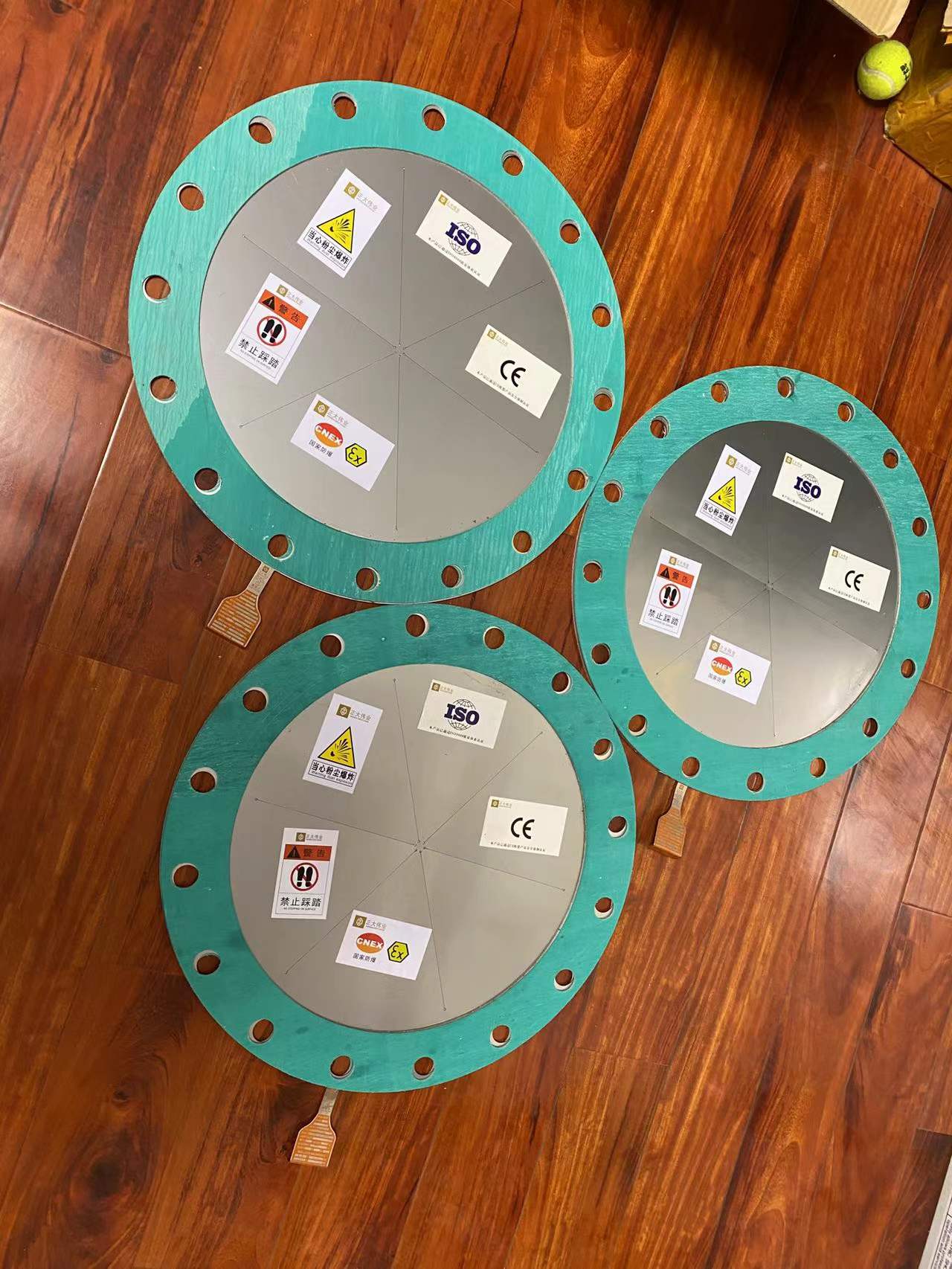
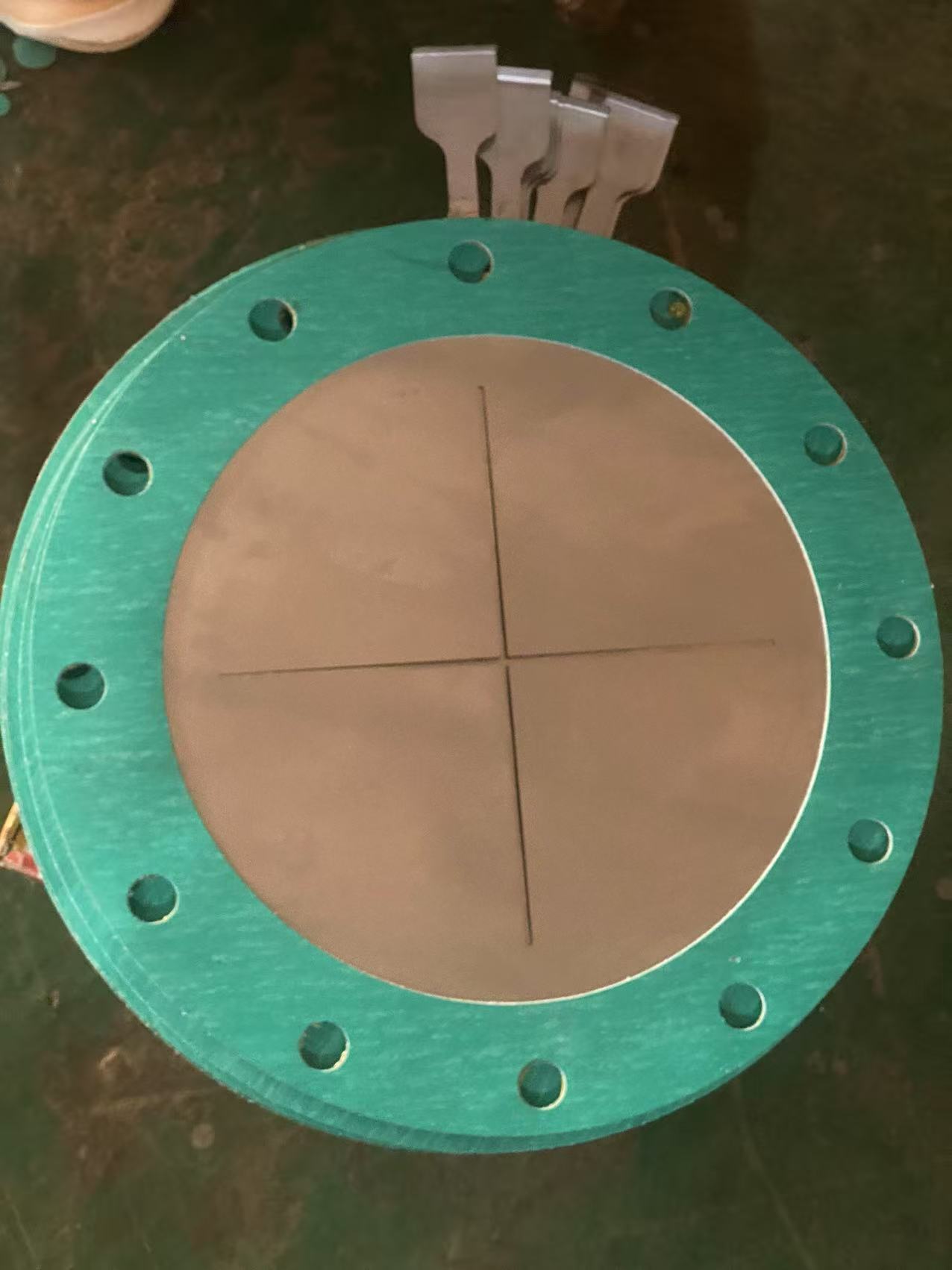
Design: Flat membrane with precision laser score lines optimized for high-stress conditions.
Pressure Range: 10 barg to 100+ barg, extending the capability of flat disc technology.
Key Feature: Maintains controlled, non-fragmenting opening at elevated pressures where traditional flat discs would fail unpredictably.
Primary Use: High-pressure gas systems, hydraulic accumulators, compressor discharge headers, and specialty gas cylinder manifolds.
Overview
Flat disc technology is not limited to low pressures. This high-pressure variant is engineered from robust, high-yield-strength alloys and incorporates advanced scoring patterns to manage the immense stresses involved. It delivers the space-saving and cost benefits of a flat disc design while providing reliable, controlled burst performance in pressure regimes typically reserved for domed discs. This makes it an excellent choice for compact high-pressure systems where a reverse-acting mechanism may be physically constrained or where a specific, predictable opening pattern is required.
Features & Benefits
High-Pressure Capability in a Flat Profile: Enables the use of simple flat disc geometry in systems operating at several hundred bar, saving axial space.
Controlled Burst at High Stress: Precision scoring ensures the disc opens along defined paths, preventing violent fragmentation and retaining the majority of the material.
Material Strength: Utilizes precipitation-hardened stainless steels or nickel alloys to achieve the necessary burst strength without excessive thickness.
Accurate & Repeatable: Manufactured with tight tolerances on scoring depth and material properties to ensure consistent burst pressure across the high range.
How It Works
The fundamental principle is tensile rupture, but at very high stresses. The precisely calculated score lines act as stress concentrators, initiating and guiding the fracture in a controlled manner. The high-strength material ensures the disc remains leak-tight up to its precise burst point, at which point it tears cleanly along the scores, opening into defined petals.
Specifications (Descriptive)
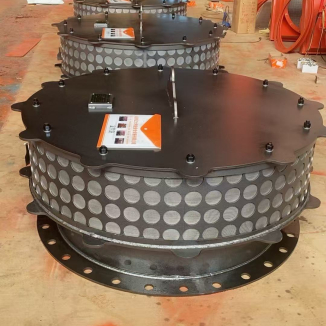
Sizes are typically in the smaller range due to force considerations: DN15 to DN80. Burst pressures cover a wide high-pressure spectrum; for example, a DN25 disc could be rated for 50, 80, or 120 barg. Common materials are 17-7PH SS (for high strength and some corrosion resistance) or Inconel 600 (for high temperature and corrosion). The holder must be equally robust, often made from forged steel with a high-pressure flange rating (e.g., ANSI 600# or higher).
Q&A
Q: Why choose a high-pressure flat disc over a domed disc?
A: The primary advantage is a shorter installation length. In skid-mounted or space-constrained high-pressure systems, saving every millimeter of axial space can be crucial. It also can offer a more predictable petal-opening pattern than some forward-acting domed discs at similar pressures.
Q: What is the fatigue life like at these pressures?
A: Fatigue life is generally lower than an equivalent reverse-acting disc due to the tensile stress state. It is best suited for services with relatively steady pressure or a low number of cycles. For high-cycle high-pressure service, a reverse-acting design is strongly recommended.
Q: How is the burst pressure verified?
A: Each disc or a sample from each production lot is typically destructively tested in a high-pressure hydraulic test cell to validate the burst pressure falls within the specified tolerance (e.g., ±5%).
About ZD Safety
We push the boundaries of conventional design. Our high-pressure flat discs demonstrate that innovation in materials and precision engineering can unlock new applications for proven technologies, providing safe, compact solutions for demanding high-pressure environments.