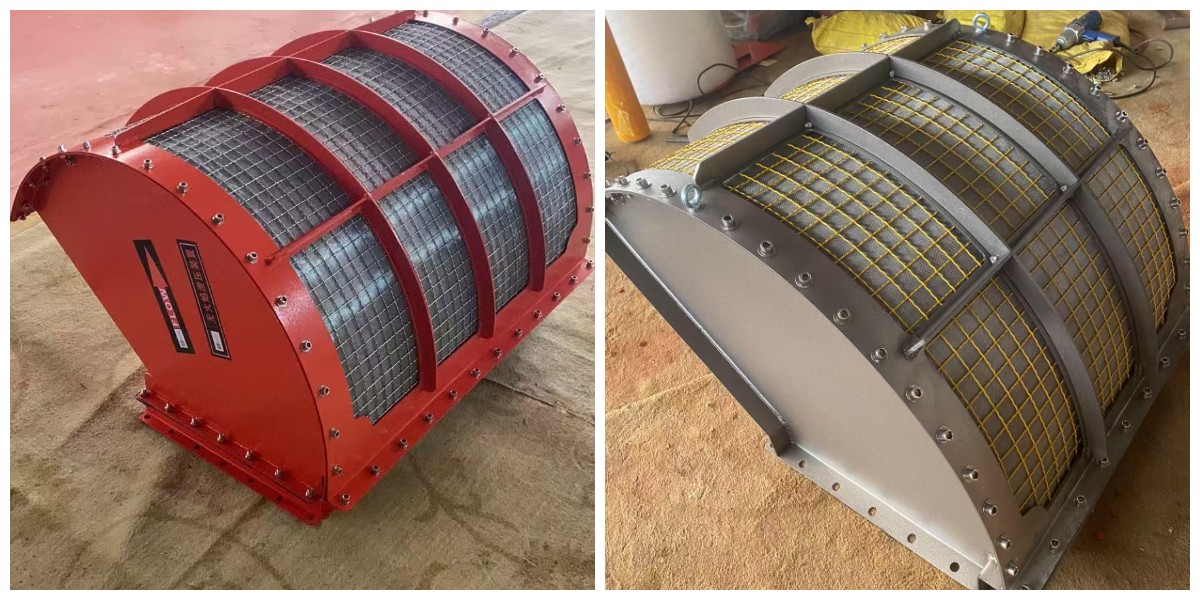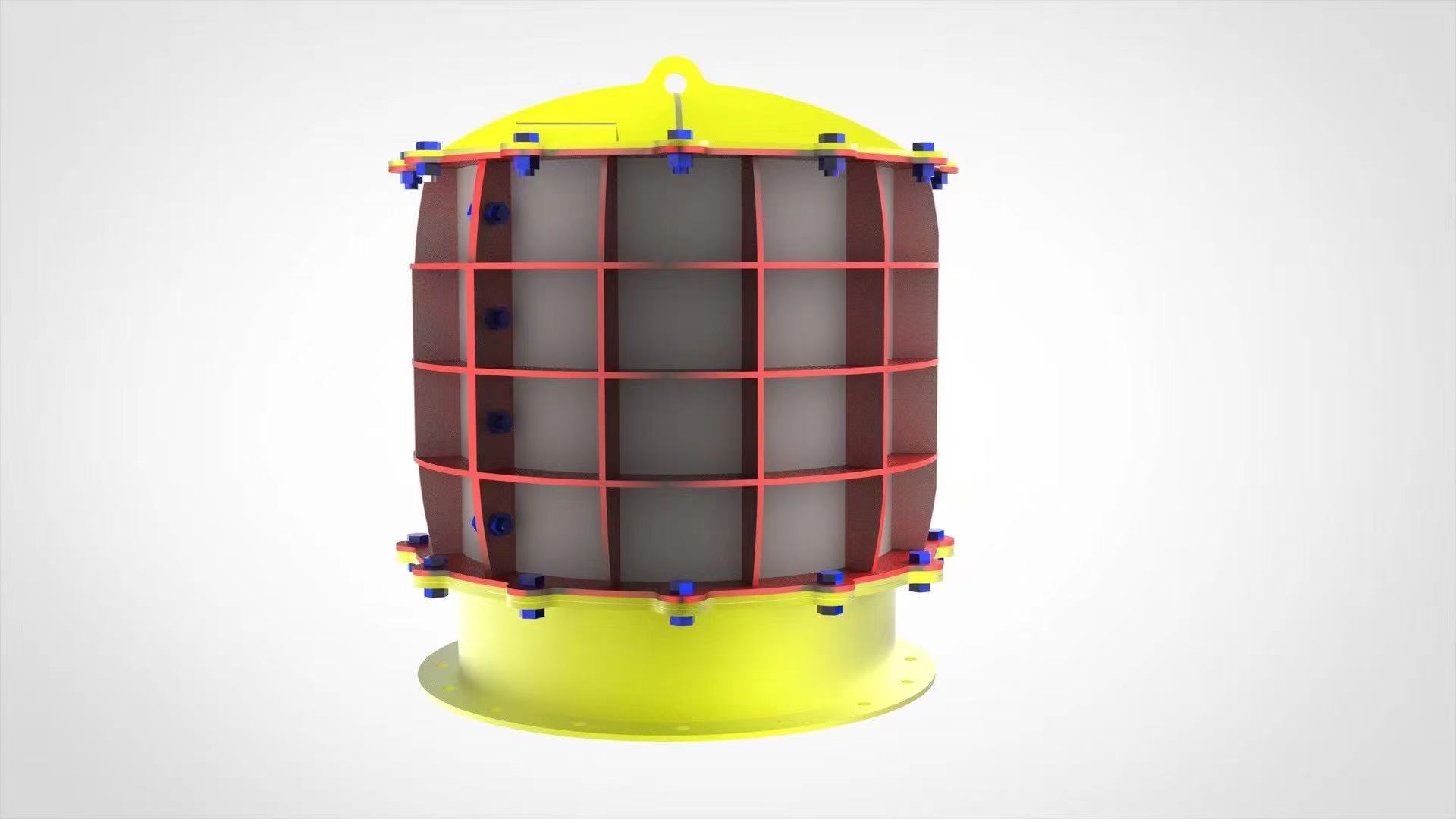
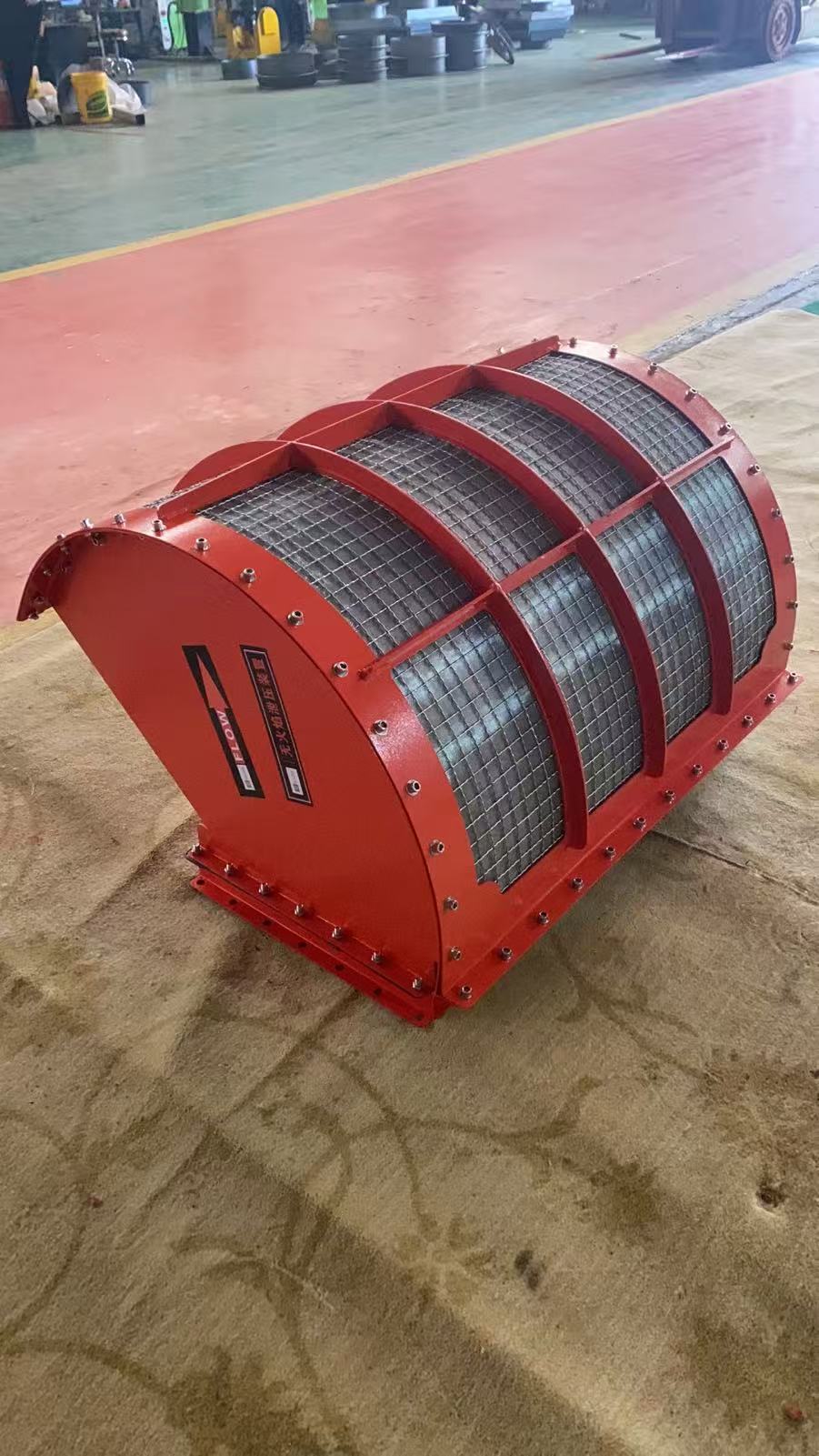
High-Pressure Flameless Vent
Product Model: ZD-FV12 (HP Flameless Vent)
Type: Flameless Explosion Venting Device (Gas & Vapor Applications)
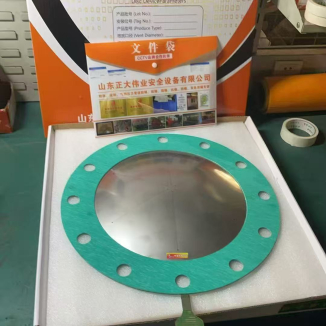
Material: Reinforced housing (carbon steel/stainless steel). High-temperature alloy quenching matrix and burst panel.
Key Feature: Designed to withstand the higher explosion pressures and temperatures characteristic of gas and vapor explosions. Provides effective flame quenching for fast-burning fuels.
Overview
Gas and vapor explosions present unique challenges with higher pressure rise rates and temperatures. The High-Pressure Flameless Vent is engineered for these severe conditions. Its robust construction and specialized quenching element are validated to extinguish the intense flame fronts of gas explosions, making it safe to vent such events in locations where an open flame jet would be catastrophic.
Features & Benefits
Validated for Gas Explosions: Specifically tested and certified for methane, propane, hydrogen, and other industrial gases/vapors.
High-Temperature Resistance: Quenching matrix materials are selected to maintain integrity under extreme thermal loads.
Process Compatibility: Suitable for high static pressure vessels with appropriate burst panel selection.
Mitigates Pressure Effects: Helps attenuate the pressure wave associated with the venting event.
How It Works
Upon a gas explosion, the burst panel fails, and the high-velocity flame jet enters the device. The quenching matrix, often with a denser or multi-stage design, creates extreme turbulence and provides a massive surface area for heat extraction. This disrupts the combustion chain reaction and cools the gases to ambient temperatures almost instantaneously.
Specifications (Descriptive)
Sizes: Commonly from DN 150 to DN 500. Pressure Rating: Housing designed for the specific gas explosion forces. Key Selection Parameters: Required vent area calculation based on gas properties (KG, Pmax), vessel strength (Pstat), and desired Pred. Burst Panel: Often metal (aluminum, stainless steel) with precise burst ratings.
Q&A
Q: How does it handle hydrogen explosions, which are very fast?
A: Special validation is required. The design may incorporate a pre-chamber or a specifically engineered matrix geometry to quench the high-speed hydrogen flame. Always confirm the device is tested and listed for the specific gas group (e.g., IIC for hydrogen).
Q: Can it be used on pressurized vessels?
A: Yes, by selecting a burst panel (like a reverse-acting scored metal disk) with a burst pressure (Pstat) higher than the vessel's maximum normal operating pressure (MAWP). This creates a tight seal during operation while ensuring activation during an explosion.