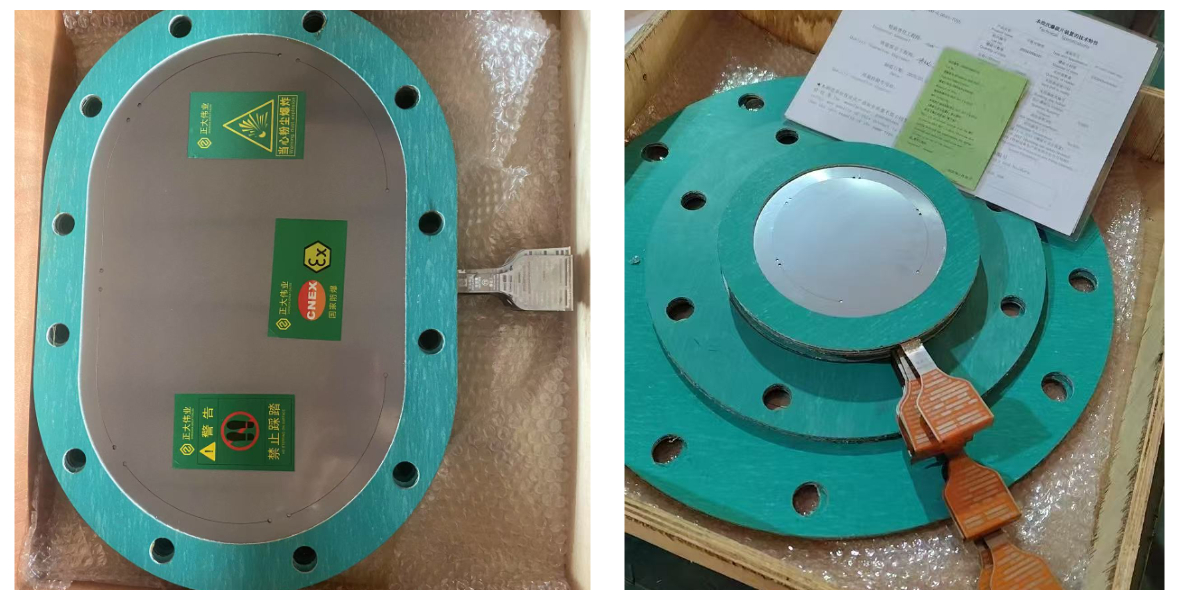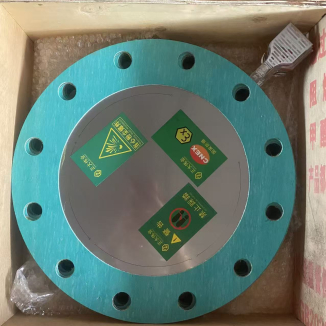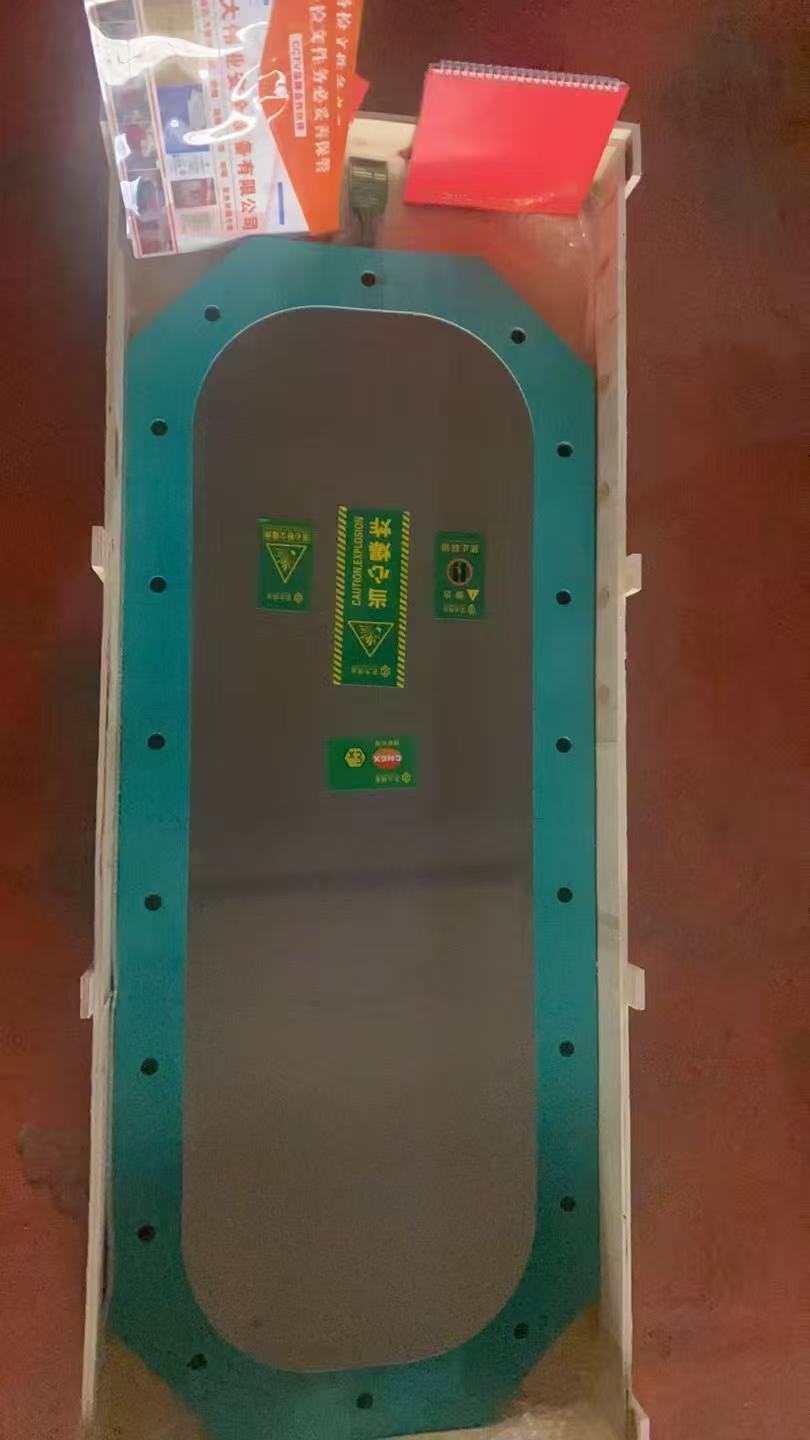
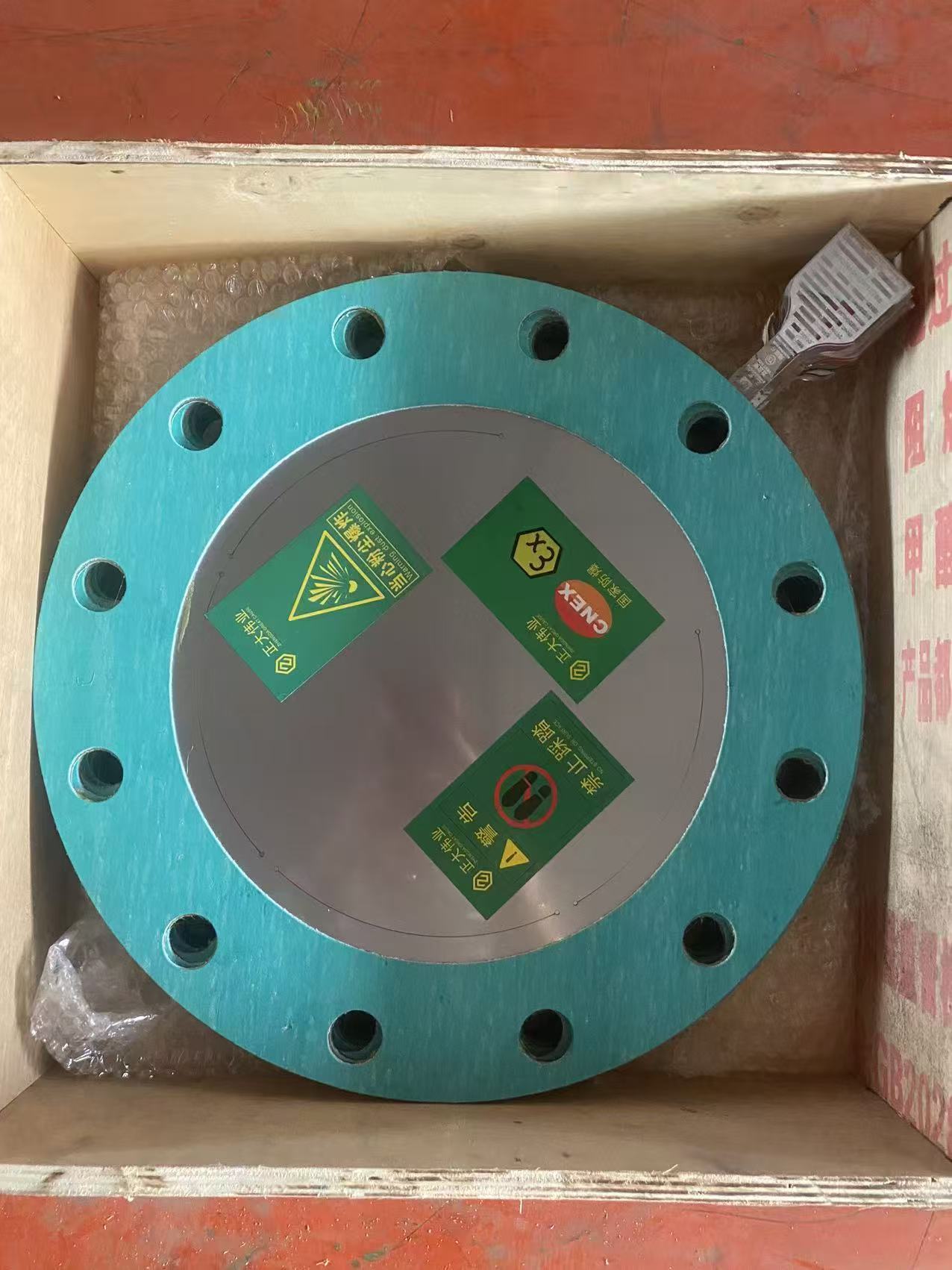
Low Temperature Flat Rupture Disc
Product Model: ZD-FL09 (Cryo Flat Disc)
Material: Specialty stainless steels (e.g., 304L, 316L) or nickel alloys (Nickel 200) treated for low-temperature service.
Key Feature: Materials and design certified to maintain ductility and specified burst pressure at temperatures down to -196°C (Liquid Nitrogen) and below.
Design: Considerations for thermal contraction differentials to maintain seal integrity.
Pressure Range: Typically low to medium, 0.5 barg to 16 barg.
Primary Use: Protection of cryogenic liquid storage tanks (LNG, LN2, LOX, LAr), cold boxes in air separation plants, and low-temperature chemical process vessels.
Overview
Safety devices on cryogenic systems cannot afford to become brittle. This flat rupture disc is specifically engineered for ultra-low temperature service. The materials are selected and processed to retain toughness and predictable mechanical properties even when cooled by liquefied gases. The design accounts for the significant thermal contraction that occurs, ensuring the disc remains securely sealed and accurately calibrated at its operating temperature. It is a critical component for the safe operation of LNG terminals, cryogenic transport, and advanced low-temperature processing.
Features & Benefits
Guaranteed Low-Temperature Ductility: Materials are impact-tested at cryogenic temperatures to verify they do not undergo a ductile-to-brittle transition.
Stable Burst Performance: The burst pressure rating is characterized for the cryogenic service temperature, not just room temperature.
Reliable Sealing: Gasket and sealing technologies are chosen for compatibility and performance across the extreme temperature range.
Thermal Stress Managed: Assembly design minimizes stresses due to differential contraction between parts during cooldown.
How It Works
The tensile rupture mechanism remains effective at low temperatures, provided the material is ductile. The disc is engineered so that its burst pressure, as measured at the cryogenic operating temperature, matches the required set point. Special attention is paid to the seal, which must remain tight during and after the cooldown process.
Specifications (Descriptive)
Sizes common for tank nozzles: DN50 to DN200. Burst pressures are often low for storage applications (e.g., 0.7 to 3 barg for an LNG tank). Standard material is 316L stainless steel with verified low-temperature impact properties. For more critical services, Nickel 200 offers superior ductility. Each disc for certified service is supplied with a material test certificate showing compliance with low-temperature impact standards (e.g., ASTM A20). Holders are made from similar low-temp materials.
Q&A
Q: Why can't a standard stainless steel disc be used?
A: Standard grades may have undergone processes that leave them susceptible to embrittlement at cryogenic temperatures. This could cause premature failure (leak) or an unpredictable, potentially violent burst.
Q: How is the disc kept at cryogenic temperature?
A: It is installed directly on the cold vessel or piping, ensuring it is in thermal equilibrium with the process fluid. External insulation is typically applied over the holder to prevent frost formation on the outside, but this should not heat the disc itself.
Q: What about testing at actual temperature?
A: While 100% testing at cryogenic temperatures is impractical, the discs are manufactured from material batches rigorously tested for low-temperature properties. The design is validated through analysis and sample testing. The burst pressure rating is derated or specifically calculated for the cold condition.
About ZD Safety
Safety has no temperature limit. Our cryogenic discs are a product of specialized material science and application engineering, ensuring that the vital safety function remains robust and reliable at the extremes of the temperature scale.